
 AUS
AUS
 NZ
NZ
 UK
UK
 CA
CA
 USA
USA
 IND
IND


_06_16_2026_04_54_27_535266.jpg)




Highlights
Corporate earnings decline in early 2025 amid weaker mining and financial services performance
Financial services sector impacted by rising costs and regulatory pressures
Mining profits fall due to global commodity volatility and rising input expenses
Corporate earnings among constituents of the ASX 200 declined in the first quarter of 2025, reversing the previous momentum seen at the end of the prior year. The drop in profits reflects the subdued environment across multiple sectors, with financial services and mining experiencing the most notable declines. According to the latest indicators, the earnings trend presents a less optimistic start to the year compared to the preceding quarter.
Financial services sector faces margin compression
Companies within the financial services sector, including tickers such as CBA, NAB, WBC, and ANZ, encountered a sharp reduction in profits during the quarter. This shift comes after a strong finish in the previous period, now overshadowed by higher operational costs and tighter regulatory conditions. These institutions have been contending with the effects of elevated interest rates and slowing economic growth, both of which have pressured net interest margins and overall profitability.
Although demand for banking and insurance products remains steady, increased funding costs and regulatory compliance obligations have impacted operating performance. The lending environment has also tightened, contributing to lower earnings from core banking activities and diminishing returns across diversified financial portfolios.
Mining sector impacted by global price instability
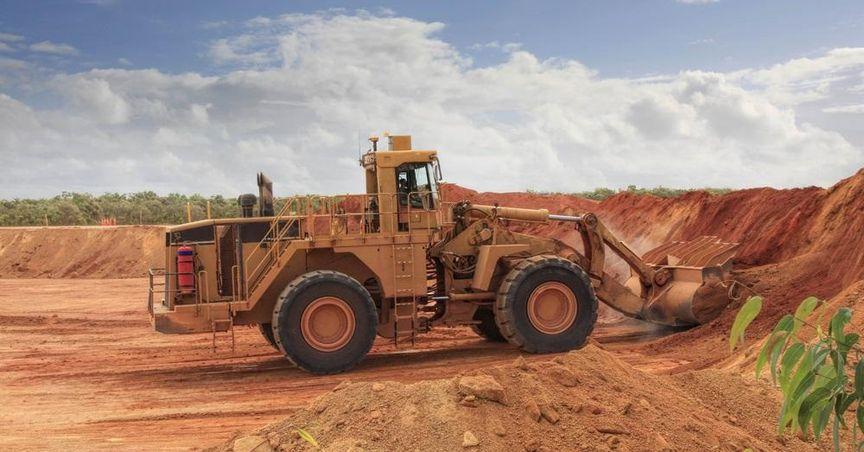
Key mining stocks such as BHP, RIO, and FMG recorded a downturn in quarterly profits. Weaker commodity prices, fluctuating global demand, and elevated production costs have all combined to challenge earnings across the sector. The decline contrasts with the growth experienced at the end of the previous year and highlights the growing influence of global uncertainties on Australia’s resource exports.
Sales volumes for several key minerals, including iron ore, coal, and copper, contracted during the period, reflecting a cooling of international demand. Rising labour expenses and supply chain costs further burdened mining operators. Inventories in the mining sector rose during the quarter, while wages and salaries also moved higher, indicating increased operational expenses amid declining revenue.
Wage growth persists across sectors
Wages and salaries across the economy showed continued growth during the March quarter. This trend was supported by sector-specific adjustments, particularly in areas such as aged care and childcare, where compensation levels have been recalibrated to meet compliance outcomes. Broader wage indicators revealed gains consistent with labour market expectations.
The Fair Work Commission's latest decision brought a smaller rise in minimum wage levels compared to the previous year. Nevertheless, wage growth remained above expectations, reinforcing the trend of gradually increasing compensation across both public and private sectors.
Inventory levels increase despite earnings decline
Inventories across Australian businesses saw an uplift during the first quarter, outpacing the modest growth seen in the final quarter of the previous year. This increase indicates that businesses may be positioning themselves for future demand, even as top-line performance showed signs of stress.
The growth in stockpiles, particularly in sectors like manufacturing and wholesale trade, highlights a shift in business strategies toward preparation rather than reaction. Despite the drag on earnings from key sectors such as financial services and mining, other parts of the economy appear to be focused on stabilising operations and planning for broader recovery as the year progresses.
