
 AUS
AUS
 NZ
NZ
 UK
UK
 CA
CA
 USA
USA
 IND
IND


_02_06_2025_07_05_23_538703.jpg)



Highlights
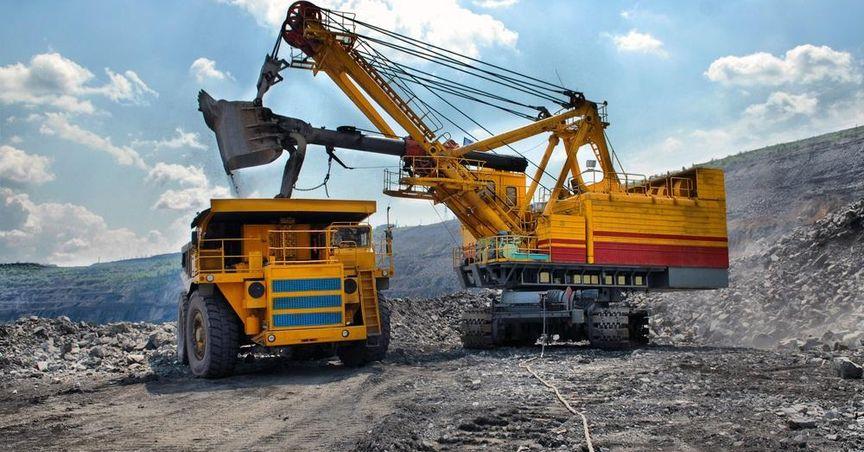
Rio Tinto (ASX:RIO) operates in multiple commodities with a strong focus on iron ore exports
Key business segments include Aluminium, Copper & Diamonds, Energy & Minerals, and Iron Ore
Revenue trends, profitability, and capital structure shape its overall market profile
asx 200 listed Rio Tinto (ASX:RIO) is a diversified mining and metals organisation with global operations spanning multiple continents. The company maintains a significant footprint in the global resources sector and is also part of the Asx 50, Asx 100, and Asx 300 indices, reflecting its scale and market presence.
The primary business activities of Rio Tinto are grouped into four categories: Aluminium, Copper & Diamonds, Energy & Minerals, and Iron Ore. Its largest revenue driver remains iron ore, which serves as a critical raw material in steel production, linking the company’s performance closely with global steel demand and commodity pricing trends.
Revenue and operational performance
The company’s revenue performance over recent reporting periods reflects market conditions and commodity cycles. A steady upward trajectory is generally indicative of market strength, while a declining pattern can highlight external or operational challenges. Rio Tinto’s performance in this regard is influenced by commodity price movements, production volumes, and global economic activity.
Gross margin provides an insight into operational efficiency by measuring profitability before deducting overhead costs. This metric reflects the strength of core mining and processing activities, with variations often linked to input costs, production efficiency, and commodity market shifts.
Profitability trends
The company’s profit levels over multiple financial periods offer a view of its ability to generate returns from its resource portfolio. Changes in profit margins can stem from fluctuations in commodity prices, production costs, and broader economic factors affecting demand. Historical comparisons help identify performance patterns and sustainability of earnings.
Capital and financial structure
Net debt figures outline the balance between total borrowings and available cash reserves, serving as a measure of the company’s leverage. Lower levels typically signal stronger financial flexibility, while higher levels can increase exposure to interest rate movements and economic downturns.
The debt-to-equity ratio shows the proportion of financing derived from borrowings relative to shareholder equity. Rio Tinto maintains more equity than debt, reflecting a relatively conservative capital structure within the sector.
Return on equity efficiency
Return on equity indicates how effectively shareholder funds are being utilised to generate profit. Elevated figures generally point to strong capital allocation and operational efficiency, while lower figures may highlight areas for strategic improvement. Rio Tinto’s performance in this area underscores its operational capabilities and global positioning within the mining industry.
Frequently Asked Questions
- What does Rio Tinto (ASX:RIO) primarily produce?
The company focuses on minerals and metals, with iron ore as its largest segment. - Which indices include Rio Tinto (ASX:RIO)?
It is part of the Asx 50, Asx 100, asx 200, and Asx 300 indices. - What drives Rio Tinto's revenue trends?
Revenue is influenced by commodity prices, production levels, and global demand.
