
 AUS
AUS
 NZ
NZ
 UK
UK
 CA
CA
 USA
USA
 IND
IND


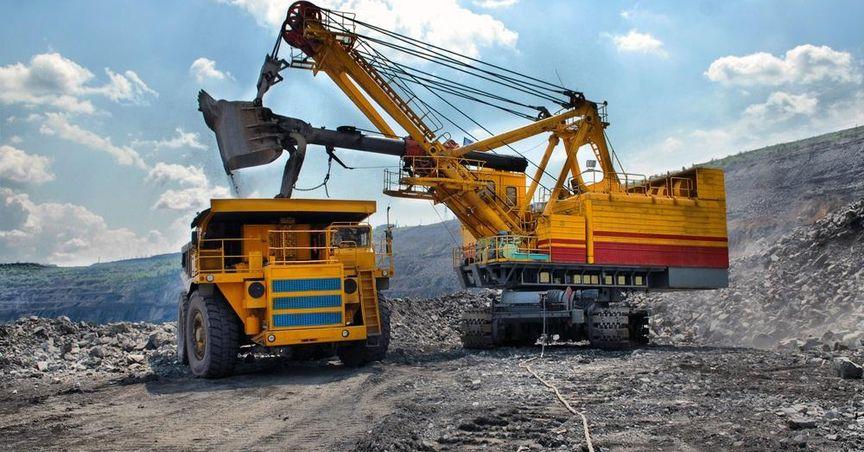





Highlights
Iron ore sentiment has softened as China demand concerns weigh on the market.
Rising Chinese port stockpiles have kept pressure on major Australian miners.
Fortescue remains closely linked to the direction of the steelmaking commodity.
Fortescue remains in focus as softer China steel demand and rising port stockpiles weigh on iron ore sentiment, keeping Australia’s major mining shares under close market watch.
Fortescue (ASX:FMG), one of Australia’s leading iron ore producers, is back in focus as concerns over China’s steel demand weigh on sentiment across the local resources sector. The company’s close exposure to iron ore makes it one of the most watched mining names within the ASX 200, especially when the commodity trades near a key psychological level.
Iron ore pressure returns
Iron ore has struggled to build strong momentum as demand signals from China remain uneven.
The commodity is closely tied to steel production, and any weakness in Chinese steel activity can quickly influence sentiment toward Australian miners.
For Fortescue, this matters because the company is highly exposed to iron ore compared with more diversified mining groups.
China demand worries deepen
China remains the dominant buyer of seaborne iron ore, making its steel cycle the most important driver for the commodity.
Recent concerns have centred on softer mill demand, cautious purchasing and elevated stockpiles at Chinese ports.
When port inventories rise, steelmakers often have less urgency to secure fresh supply. That can place pressure on iron ore prices and weigh on producers linked to the commodity.
Why Fortescue moves with iron ore
Fortescue’s business is strongly connected to iron ore exports, which means changes in commodity sentiment can flow quickly into market expectations.
When iron ore strengthens, the company often benefits from improved sector sentiment. When the commodity weakens, the reverse can happen.
This direct exposure makes Fortescue a key name for market watchers tracking Iron Ore Stocks in Australia.
Port stockpiles send a warning
Rising port inventories in China are a major signal for the iron ore market.
Large stockpiles suggest that supply is available and that mills may not need to chase cargoes aggressively.
This does not mean demand has disappeared, but it does suggest buyers are acting cautiously.
For producers, that caution can limit price momentum and create uncertainty around near-term revenue conditions.
Steel mills remain selective
Chinese steelmakers have been managing purchases carefully as margins, construction demand and seasonal conditions influence production decisions.
When mills limit buying to immediate needs, iron ore prices can struggle to sustain rallies.
This creates a more difficult backdrop for Australian miners, especially those with strong exposure to the steelmaking raw material.
A pure iron ore exposure
Fortescue is often viewed as one of the clearest large-cap exposures to iron ore on the Australian market.
Unlike broader diversified miners, its earnings profile is more tightly linked to movements in the commodity.
That structure can work both ways. A stronger iron ore environment can support sentiment, while weaker demand signals can create pressure.
Broader mining sentiment
The current backdrop is also important for the wider resources sector.
Australia’s mining shares often respond quickly to changes in China demand because the country remains a major customer for bulk commodities.
Iron ore is particularly sensitive because it sits at the heart of steel production, infrastructure activity and industrial construction.
What the market is watching
Key signals include Chinese steel output, port inventories, import trends and policy support for infrastructure or property activity.
Supply conditions from major exporting regions will also matter.
If demand remains cautious while stockpiles stay elevated, iron ore sentiment may remain under pressure.
If steel activity improves, the sector could regain firmer footing.
Final thoughts
Fortescue remains firmly in focus as iron ore sentiment softens and China demand concerns dominate the resources conversation. The company’s strong link to the commodity makes it a clear barometer for shifts in steel market expectations.
For now, the story centres on whether China’s mills return with stronger demand or continue to rely on existing inventories.
