
 AUS
AUS
 NZ
NZ
 UK
UK
 CA
CA
 USA
USA
 IND
IND




Highlights
Pilbara cost leadership is becoming a key defence for iron ore producers.
China steel demand and new supply risks remain central to sector sentiment.
Major and smaller miners are being assessed on margins, discipline and operating quality.
ASX iron ore stocks are facing a sharper quality test as Pilbara cost leadership, China steel demand, future supply pressure and margin discipline shape market attention.
Iron ore remains one of the defining forces in Australia’s resources market, but the conversation is becoming more selective. Fortescue (ASX:FMG), a major Pilbara iron ore producer, and Mineral Resources (ASX:MIN), a diversified mining and services group, are drawing attention as investors assess whether cost discipline can offset softer demand signals and future supply pressure. Within the ASX 300, iron ore leaders continue to influence broader market direction, while the ASX Metal & Mining Stocks sector remains closely tied to China’s steel cycle and global commodity sentiment.
Iron Ore Faces A Sharper Market Test
Iron ore stocks have long been central to Australia’s share market, but the latest discussion is less about volume and more about resilience.
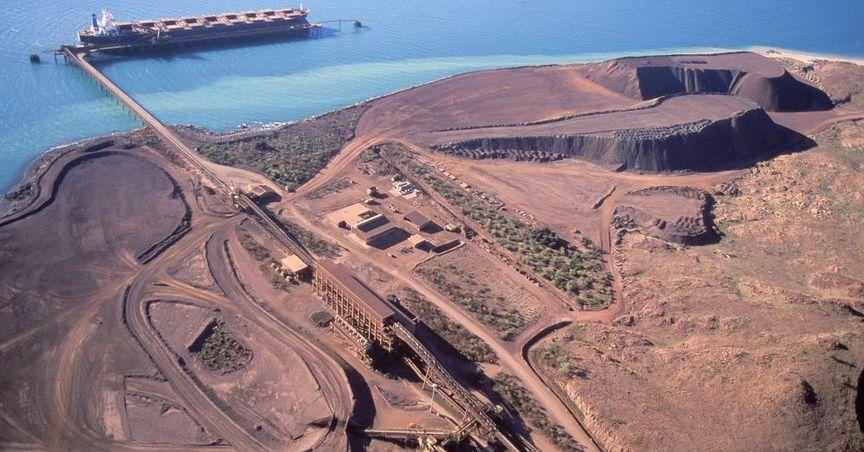
The Pilbara remains one of the world’s most important iron ore regions, supported by scale, infrastructure and cost advantages. These features give major producers an important buffer when commodity prices shift or demand signals become less certain.
However, the market is asking a tougher question. Can cost leadership remain strong enough to defend margins if China’s steel demand weakens or new supply enters the market?
That question is shaping the current tone across ASX iron ore stocks.
Why Pilbara Cost Leadership Matters
Cost leadership is one of the strongest advantages available to iron ore producers.
Lower operating costs can help miners remain competitive during weaker pricing environments. This becomes especially important when markets are uncertain or when buyers become more selective.
Pilbara producers often benefit from established infrastructure, large-scale operations and efficient logistics networks. These advantages can support earnings resilience even when the broader commodity cycle becomes more challenging.
For investors following ASX mining stocks, cost structure is now one of the most important filters in assessing the sector.
China Demand Remains The Big Signal
China continues to be the key demand centre for Australian iron ore.
Steel production, infrastructure activity and property-related demand all influence sentiment toward the commodity. When China’s industrial signals improve, iron ore stocks often attract stronger attention. When demand looks uncertain, the sector can quickly face pressure.
That is why markets remain highly sensitive to commentary around China’s steel industry.
For Australian miners, the challenge is not only maintaining output but also demonstrating that their cost base and balance sheets can withstand changes in demand conditions.
Fortescue And The Pilbara Advantage
Fortescue remains one of the most recognised names in Australia’s iron ore industry.
Its Pilbara operations provide exposure to large-scale production, infrastructure networks and export markets. The company’s role in the sector makes it a useful reference point for discussions around cost discipline, margin resilience and commodity exposure.
For major producers, the market is increasingly focused on operational consistency.
Cost control, shipping reliability and capital discipline are becoming just as important as broader iron ore price movements.
Mineral Resources Adds A Different Lens
Mineral Resources brings a more diversified angle to the iron ore conversation.
The company has exposure across mining services, commodities and infrastructure-linked operations, giving it a different profile from pure iron ore producers.
This matters because diversified miners can be influenced by multiple operating drivers at once.
For readers, Mineral Resources highlights how iron ore exposure can sit within a broader business model. That makes balance-sheet discipline, project execution and capital allocation especially important.
Smaller Names Face A Higher Bar
Champion Iron (ASX:CIA), an iron ore producer with operations outside the Pilbara, and Mount Gibson Iron (ASX:MGX), an Australian iron ore company, add further depth to the sector discussion.
Smaller or more specialised producers often face a higher market evidence test.
They may need to demonstrate stronger project quality, reliable operations and cost discipline to maintain attention when market conditions become more selective.
This creates a clear split across the iron ore landscape. Scale matters, but execution can still define how individual companies are assessed.
Supply Pressure Adds Complexity
Future supply remains an important risk for the sector.
New high-grade projects outside Australia could alter competitive dynamics over time. If additional supply reaches global markets while demand growth slows, pricing pressure may become more noticeable.
That possibility makes cost leadership even more important.
Producers with lower operating costs and stronger infrastructure positions may be better placed to navigate supply shifts compared with higher-cost operators.
This is why Pilbara cost advantage remains central to the ASX iron ore story.
Margins Become The Main Focus
Margins are now a core part of the sector conversation.
Iron ore companies can generate strong earnings during favourable pricing periods, but the market increasingly wants to know how much resilience remains when conditions tighten.
This places attention on mining costs, freight costs, production reliability and capital spending.
Companies that can keep costs controlled while maintaining output quality may remain better positioned in a more demanding market.
Rate Conditions Shape Investor Behaviour
Higher interest rates also influence how resource stocks are assessed.
When cash rates remain elevated, investors tend to demand clearer evidence before rewarding cyclical or commodity-linked stories. That means iron ore companies must demonstrate more than broad exposure to a major export market.
Balance-sheet comfort, disciplined spending and reliable cash generation become more important.
This broader market discipline is helping reshape how iron ore stocks are evaluated in the current environment.
Why Sector Rotation Matters
Iron ore stocks also sit within a broader sector rotation story.
At different points, market leadership can shift between financials, technology, gold, energy and resources. When resources regain attention, iron ore names often become central because of their size and influence.
However, stronger market sentiment does not lift all miners equally.
Investors are increasingly separating companies with visible operational strength from those still needing clearer evidence.
What Readers Are Watching Next
The next phase for iron ore stocks may depend on several signals.
China steel demand remains the most important macro factor. Future supply commentary will also matter, especially if new high-grade projects advance further.
At the company level, investors are watching costs, production updates, shipment reliability and capital management.
The market is likely to keep rewarding companies that show discipline rather than relying only on commodity exposure.
Final View
ASX iron ore stocks remain central to Australia’s resources market, but the debate has become more refined.
Pilbara cost leadership is no longer just an advantage. It is becoming the sector’s key defence against demand uncertainty, future supply pressure and tighter market expectations.
Fortescue, Mineral Resources, Champion Iron and Mount Gibson Iron each show different sides of the iron ore story, from scale and infrastructure to diversified exposure and smaller-producer execution. As the market becomes more selective, cost discipline and operational quality may decide which iron ore names continue to stand out.
