
 AUS
AUS
 NZ
NZ
 UK
UK
 CA
CA
 USA
USA
 IND
IND





Highlights
China's steel consumption continues shaping the outlook for Australian iron ore producers.
Property market weakness remains a key influence on iron ore demand despite ongoing infrastructure activity.
Australia's leading miners remain closely linked to the broader Metal & Mining Stocks sector.
China's steel demand continues influencing Australia's iron ore industry as major miners monitor property trends, infrastructure activity and evolving global industrial demand.
Australia's iron ore industry continues looking toward China as the defining influence on commodity demand and mining activity. BHP Group (ASX:BHP), one of the country's largest resource companies, remains closely connected to changes in Chinese steel production, making developments across the world's largest steel market increasingly important for the broader ASX 200 mining sector.
China remains the centre of the iron ore market
Australia exports the majority of its iron ore to China, where steel manufacturing supports construction, infrastructure, manufacturing and industrial activity.
Because China produces more steel than any other nation, changes in its economic activity can influence iron ore demand across global markets.
For Australian producers, understanding Chinese steel consumption remains essential because shifts in demand often affect the entire supply chain, from mining operations to export volumes.
This relationship continues making Chinese economic data one of the most closely monitored indicators within Australia's mining industry.
Property activity continues influencing demand
The property sector has traditionally represented one of the largest consumers of steel in China.
Residential construction, commercial buildings and urban development projects have historically required substantial steel volumes, supporting strong iron ore imports over many years.
More recently, softer property activity has reduced demand from this important segment.
Although construction continues, the pace has moderated compared with earlier expansion periods, creating a more measured demand environment for steel producers and iron ore suppliers.
Infrastructure provides partial support
Chinese policymakers continue supporting infrastructure development across transport, energy and manufacturing projects.
These investments contribute to steel demand while supporting broader economic activity.
However, modern infrastructure projects often consume steel differently from traditional residential property development.
As a result, infrastructure spending provides meaningful support without fully replacing demand previously generated by large-scale property construction.
This distinction remains important when evaluating Australia's iron ore outlook.
Australia's leading miners remain central
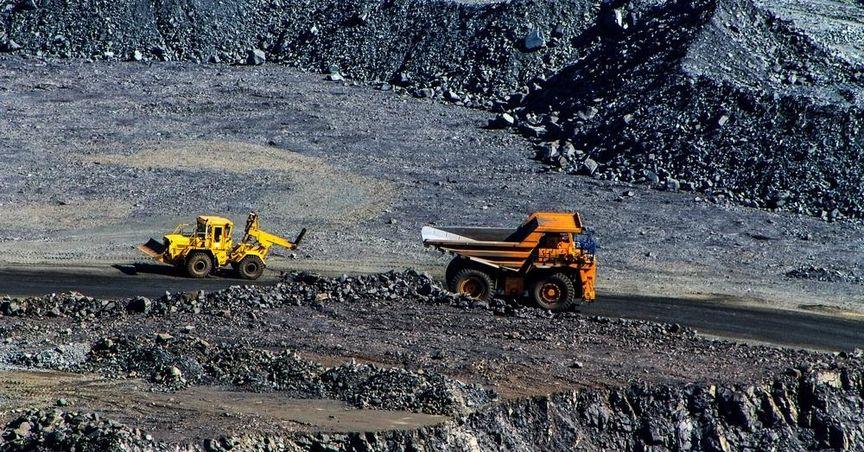
BHP continues operating some of the world's largest iron ore assets in Western Australia, supplying major steel producers across Asia.
Rio Tinto (ASX:RIO) also remains one of Australia's largest exporters, supported by extensive Pilbara mining operations and established export infrastructure.
Fortescue (ASX:FMG) completes Australia's group of major iron ore producers, maintaining significant production capacity and international customer relationships.
Together, these companies account for a substantial share of Australia's iron ore exports.
Operational strength remains important
Although commodity demand strongly influences the sector, mining companies continue focusing on operational efficiency.
Production reliability, logistics performance, cost management and mine productivity remain important regardless of changing market conditions.
Large established producers often benefit from integrated infrastructure, efficient operations and long-life resource bases that support ongoing competitiveness across varying commodity environments.
Operational discipline therefore remains a defining feature of Australia's largest iron ore businesses.
Global steel trends continue evolving
Steel demand is influenced by multiple industries beyond residential construction.
Manufacturing, renewable energy infrastructure, transportation equipment, heavy industry and public infrastructure all contribute to long-term steel consumption.
These sectors continue evolving alongside economic growth, industrial policy and technological development.
As these changes unfold, iron ore producers remain closely linked to broader global industrial activity rather than any single market segment alone.
Iron ore remains vital to Australia
Iron ore continues representing one of Australia's most important export commodities.
The industry supports employment, regional development, export earnings and international trade relationships while maintaining Australia's position as one of the world's leading resource exporters.
Strong mining capability, established logistics networks and high-quality resource deposits continue supporting Australia's competitive position within international iron ore markets.
These strengths remain significant regardless of shorter-term changes in steel demand.
Why China continues shaping the outlook
China's steel industry remains the most influential demand driver for Australia's iron ore producers.
Property trends, infrastructure investment, manufacturing activity and industrial production all contribute to the broader demand picture influencing Australian exports.
As global economic conditions continue evolving, Australian mining companies remain closely connected to developments within China's steel sector, reinforcing the country's central role in the international iron ore market.
