
 AUS
AUS
 NZ
NZ
 UK
UK
 CA
CA
 USA
USA
 IND
IND





Summary
- China continues to face geopolitical tensions and economic turmoil with US citing four Chinese media outlets as “foreign missions” and rising offshore bond defaults respectively
- US State Department has designated four Chinese media outlets as “foreign missions” after it gave 5 other Chinese entities the same label, fuelling the existing US-China sour relations.
- Defaults have been rising in the China offshore bond market with the total value of defaults reaching $4 billion in 2020 due to economic fallout of COVID-19 and worldwide shutdowns of sectors
- Hilong Holdings Ltd is the latest company to default when it failed to pay US$165 million dollar bond
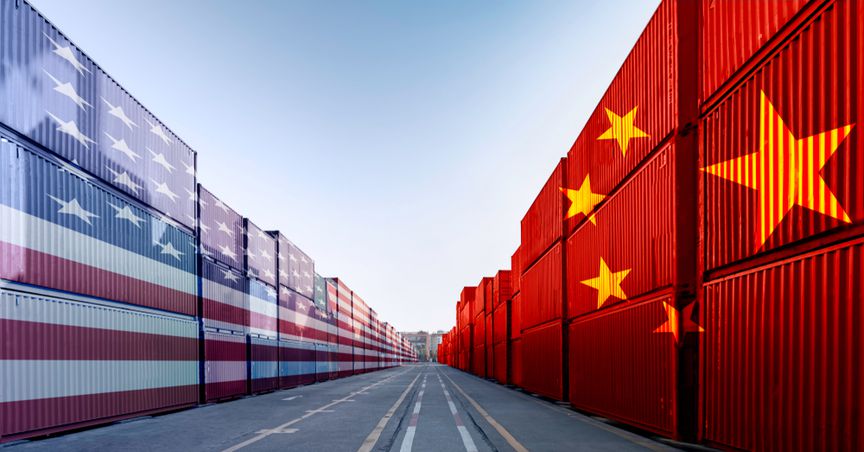
China has been facing backlashes worldwide because of its inability to contain the virus and the current geopolitical tensions with its neighbours and trade partners such as Australia. On top of that, resurgence of the virus has really added to the on-going struggle of China.
Amid such tensed scenario, China is experiencing renewed tensions with the US after it labelled China’s 4 media outlets as foreign missions. Moreover, China is fighting the financial distress arising from coronavirus induced economic slump and shutting down of businesses and borders worldwide leading to defaults at the offshore bond market of China.
US restricts Chinese media organisations
The administration led by Donald Trump has asserted that it will start to treat 4 major Chinese media organisations as foreign embassies, claiming that they are propaganda outlets and are under the control of the Chinese Communist Party. The step is expected to further ruin the already dented relationship the two countries have.
David Stilwell, the senior US diplomat for East Asia, stated that the designation will affect 4 media outlets, namely China Central Television, People’s Daily, China News Service and the Global Times. He asserted that these outlets are not independent organisations and will have to report their details of their US staffing and real estate holdings, similar to rules covering embassies and other diplomatic missions. He also added that the Chinese Communist Party’s control over China’s state news agencies has tightened in recent years, especially under Xi Jinping’s tenure.
The 4 media organisations will be added to 5 others that were put under limitations in February over US accusations that they were used by China to spread propaganda. Earlier Xinhua News Agency, China Global Television Network, China Radio International, China Daily Distribution Corporation and Hai Tan Development USA were declared as foreign embassies. These 9 entities fall under the classification of foreign mission. The foreign mission under the Foreign Missions Act states that the entities are substantially owned or effectively controlled by a foreign government (People’s Republic of China).
During March, Washington announced that it will slash the number of journalists permitted to work in US offices of major Chinese media outlets from 160 to 100 due to intimidation and harassment of journalists by Beijing. China immediately expelled American reporters with New York Times, Wall Street Journal and Washington Post.
The announcement of treat the 4 major Chinese media organisations as foreign embassies has further deteriorated the US-China relations. The announcement came just ahead of Trump’s run-up to November re-election bid.
China’s defaults on dollar bonds
Defaults have been rising in Chinese Offshore bond market as a result of economic fallout of COVID-19 and shutting down of businesses and borders across the world.
Hilong Holdings Ltd, Chinese oil equipment and services provider, was amongst the latest to default on 22 June, joining the line of struggling Asian oil and gas companies when it failed to repay US$165 million dollar bond. Hilong had been trying to swap bondholders debt for new higher coupon debt due in 2022 since May but it failed due to not enough support from investors.
ALSO READ: Is China distancing itself from the rest of the world?
As per Hong Kong Stock Exchange filing, Hilong noted that investors who represent 63.45% of the principal amount of the bond that comes due, accepted the exchange offer which is short of the minimum acceptance rate of 80%. The firm is in hopes to complete the deal and cure the payment default by extending the deadline to next Monday.
The Shanghai-based firm has extended the deadline of the exchange offer for the fourth time until 29 June. Following persistent extension in deadline, Rating agencies, Moodys and Fitch have downgraded the company’s rating citing intensified refinancing risks. Hilong acknowledged in a call that there are regulatory hurdles in transferring onshore funds abroad and was also in talks to bring more investors which will take few months for completion.
Before Hilong, MIE Holdings Corp and Qinghai Provincial Investment Group defaulted this year and are assessing the effect of the default on its other debt instruments.
The financial stress presented itself in a different way inside China than in international markets. While many firms have established alternate ways to avoid or minimise defaults onshore with yuan debt, the offshore dollar bonds market experienced continuous defaults. China’s dollar bond market accounts for 9 of the region’s 12 defaults this year as per ANZ.
The economic slowdown is prompting financially distressed companies of China to secure more funding in a market plagued by rising risk of shortages of dollar amid escalating tensions between the US and China.
To avoid or minimise bond defaults, Chinese companies are asking bondholders to wait longer for repayment, to give up the right to redeem bonds early or to shift into new longer-dated securities.
Experts state that COVID-19 has destroyed Beijing’s steps towards slow restructuring of its system amid too much of bad debt in its economy.
