
 AUS
AUS
 NZ
NZ
 UK
UK
 CA
CA
 USA
USA
 IND
IND



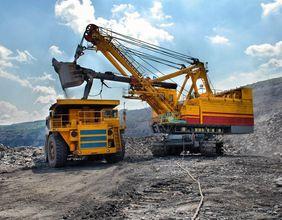




Barrick Gold Corporation has seen its stock gain around 14% year-to-date, currently trading at about $21 per share in the gold sector. However, this falls behind the S&P 500's 18% rise during the same period. Despite a surge in gold prices, which have risen from $2,050 per ounce in January to roughly $2,570, Barrick has faced several operational challenges impacting its performance.
Multiple factors have contributed to the rise in gold prices, including moderating U.S. inflation, with the Consumer Price Index (CPI) for August increasing by only 2.5%—the lowest in three years. This easing inflation could signal potential rate cuts by the Federal Reserve. Additionally, a slight weakening of the U.S. dollar and geopolitical tensions, such as the Israel-Gaza war and the conflict in Ukraine, have further supported gold’s rally. Despite these favorable conditions for the precious metal, Barrick Gold has not seen its stock track the rise in gold prices.
Production Setbacks Weigh on Barrick Gold
Barrick Gold Corporation (NYSE:GOLD) has encountered several operational issues that have hindered its growth. During the first half of the year, production was lower than expected due to slower ramp-up at the Pueblo Viejo mine and maintenance activities. Lower ore grades from some mines also contributed to the setbacks. Additionally, production targets at the Cortez and Phoenix mines were reduced. In Q2 2024, Barrick sold 948,000 ounces of gold, marking a 6% decline compared to the 1,009,000 ounces sold in the same period last year. Production growth is seen as essential, particularly when gold prices are high, but Barrick’s inability to expand output has likely affected its stock performance.
Rising Costs Add Pressure
The company’s cost situation has also presented challenges. Barrick's all-in sustaining costs (AISC) rose by 11% year-over-year, reaching $1,498 per ounce in the second quarter. This increase is attributed to lower production levels, which hinder economies of scale, as well as inflationary pressures on key inputs like labor. The rising costs in the mining sector, particularly for Barrick, may be causing investors to lean toward more cost-efficient alternatives in the industry.
Over the past three years, Barrick's stock has exhibited volatility. It recorded returns of -13% in 2021, -6% in 2022, and 8% in 2023, while other portfolios have seen more stable performance. The uncertainty surrounding macroeconomic factors such as potential interest rate cuts and ongoing geopolitical conflicts could lead to continued unpredictability for Barrick in the near term.
Outlook for Barrick Gold
Looking ahead, Barrick’s production is expected to improve with the completion of major maintenance activities at Nevada Gold Mines, infrastructure upgrades at the Goldstrike ore processing facility, and improved output from Turquoise Ridge. Additionally, the ongoing ramp-up at Pueblo Viejo should further support production levels.
Barrick also remains optimistic about the long-term prospects for precious metals, citing a relatively tight supply of gold and an increase in central bank gold purchases as they diversify reserves away from the U.S. dollar. Furthermore, Barrick’s efforts to expand its copper business could provide additional support, especially considering copper’s growing demand in sectors such as electric vehicles and renewable energy.
