
 AUS
AUS
 NZ
NZ
 UK
UK
 CA
CA
 USA
USA
 IND
IND







Highlights
- Verizon continues expanding its wireless and fiber broadband footprint across the United States.
- The company combines mobile connectivity, broadband, cloud services, and enterprise networking solutions.
- Ongoing investments in 5G and fiber infrastructure support consumer and business communications.
Verizon Communications Inc. (NYSE) continues expanding wireless, fiber broadband, enterprise networking, and 5G infrastructure while supporting consumer, business, and government communications nationwide.
Verizon Communications Inc. (NYSE:VZ) is one of the largest telecommunications providers in the United States, delivering wireless communications, broadband internet, digital media, and enterprise networking services. As a constituent of the S&P 500, Verizon plays a significant role in the U.S. communications industry, serving millions of consumer, business, and government customers through an extensive wireless and fiber network.
A Major Communications Provider
Founded in 2000 through the merger of Bell Atlantic and GTE, Verizon has evolved into one of the country's largest communications companies. Its operations primarily consist of two segments: Verizon Consumer and Verizon Business.
The Consumer segment offers wireless phone services, home broadband, fiber internet through Verizon Fios, fixed wireless access, streaming partnerships, and connected device services. Verizon Business provides networking, security, cloud connectivity, Internet of Things (IoT) solutions, managed services, and communications infrastructure for enterprises, government agencies, and public-sector organizations.
Nationwide Wireless Network
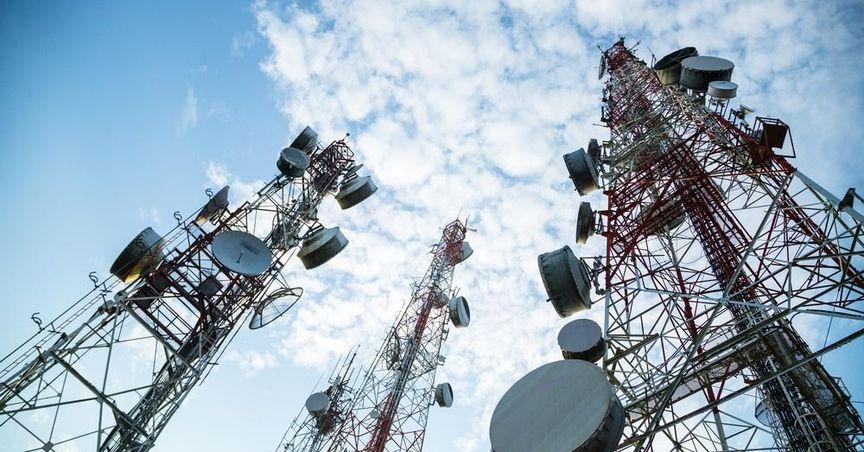
Wireless service remains the company's largest business. Verizon operates one of the most extensive mobile networks in the United States, providing nationwide 4G LTE and expanding 5G Ultra Wideband coverage.
The company continues deploying additional spectrum and network infrastructure to improve capacity, speed, and reliability. Recent spectrum acquisitions support long-term expansion of 5G services across urban, suburban, and rural markets.
Fixed Wireless Access has also become an important broadband offering, allowing households and businesses to receive high-speed internet without traditional cable or fiber connections in eligible locations.
Fiber Broadband Expansion
Fiber remains another important area of development. Verizon's Fios network delivers fiber-optic internet, television, and voice services in numerous metropolitan markets across the northeastern United States.
The company's fiber strategy also extends beyond residential customers through enterprise connectivity, data center networking, and support for cloud-based applications. Continued expansion of fiber infrastructure complements Verizon's wireless business by providing additional broadband capacity and integrated communication solutions.
Enterprise and Government Services
Verizon Business serves organizations across healthcare, manufacturing, education, financial services, retail, transportation, and government sectors.
Services include:
- Secure networking
- Private 5G solutions
- Cloud connectivity
- Cybersecurity services
- Internet of Things connectivity
- Mobile device management
- Unified communications
- Edge computing
These services help organizations connect employees, facilities, equipment, and digital operations across multiple locations.
Digital Transformation
Businesses increasingly require secure connectivity capable of supporting cloud applications, artificial intelligence workloads, remote collaboration, and connected devices.
Verizon (NYSE:VZ) has expanded managed network services that integrate wireless communications, fiber connectivity, edge computing, and cybersecurity. These capabilities support industries adopting automation, smart manufacturing, connected logistics, and intelligent transportation systems.
Private wireless networks have also become an area of growth, particularly for manufacturing plants, ports, warehouses, airports, and healthcare facilities.
5G Development
The rollout of 5G technology continues to reshape telecommunications.
Verizon's 5G Ultra Wideband network supports applications requiring higher bandwidth and lower latency than previous wireless generations. These capabilities enable improvements in video streaming, cloud gaming, industrial automation, smart city infrastructure, connected vehicles, and augmented reality applications.
The company continues modernizing network equipment while integrating newly available spectrum to enhance nationwide coverage.
Industry Environment
The telecommunications industry continues evolving alongside cloud computing, artificial intelligence, edge computing, and Internet of Things technologies.
Wireless providers are expanding beyond traditional voice and data services by offering broadband internet, cybersecurity, managed IT services, and digital communications platforms. Competition remains strong among national wireless carriers, regional providers, cable operators, and emerging connectivity technologies.
Growing demand for mobile data, connected devices, streaming media, and cloud services continues driving infrastructure development throughout the communications sector.
Sustainability Initiatives
Verizon has announced several sustainability initiatives aimed at improving operational efficiency and reducing environmental impact.
Programs include renewable energy procurement, improvements in network energy efficiency, responsible electronic waste recycling, and emissions reduction initiatives. The company also works with suppliers to improve environmental performance throughout its supply chain.
Financial Profile
Verizon generates revenue from wireless subscriptions, broadband services, enterprise networking, equipment sales, and digital communications services.
Its large customer base, recurring subscription model, and diversified communications offerings provide stability across multiple business segments. The company has historically maintained a regular dividend program and continues investing in network infrastructure while managing operational expenses.
Looking Ahead
Demand for reliable wireless connectivity, broadband internet, cloud networking, and enterprise digital services continues expanding across both consumer and commercial markets.
Verizon (NYSE:VZ) remains focused on extending its wireless network, growing fiber availability, enhancing enterprise connectivity solutions, and supporting next-generation communications technologies. As artificial intelligence, edge computing, and connected devices become increasingly integrated into business operations and everyday life, telecommunications infrastructure continues to serve as a foundational component of the digital economy.
