
 AUS
AUS
 NZ
NZ
 UK
UK
 CA
CA
 USA
USA
 IND
IND







Headlines
- Delays in electric vehicle production impact investor sentiment for Toyota.
- Increased investment in electric air taxis raises questions about company focus.
- Market reactions reflect concerns over Toyota's commitment to the EV segment.
Two significant developments concerning Toyota Motor did not resonate positively within investor circles recently. This led to a notable decline in the company’s stock price, showcasing a lack of confidence among shareholders.
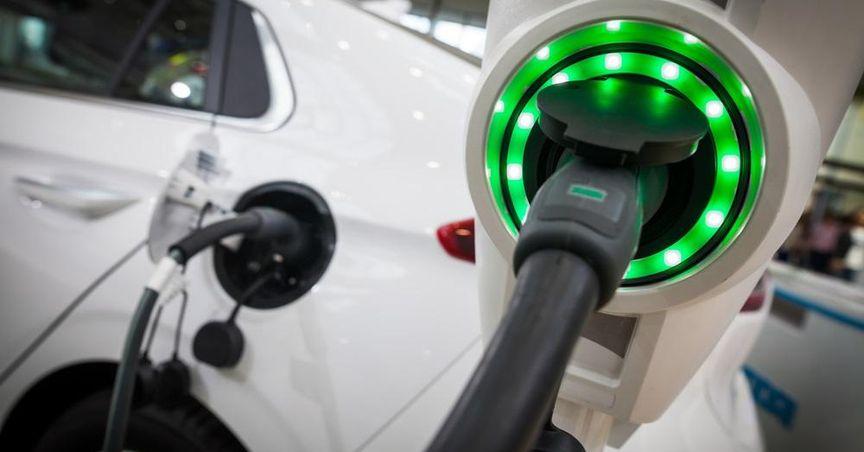
The first development involves Toyota's electric vehicle initiatives. Reports indicated that the automaker is postponing the commencement of electric vehicle production in the vital North American market, extending the timeline significantly. The company now plans to initiate production in the first half of the upcoming years instead of the previously anticipated schedule. This delay is attributed to necessary design adjustments and growing concerns regarding the sales momentum of electric vehicles. Historically, Toyota has approached the electric vehicle market cautiously, and while these vehicles maintain popularity among various consumers, the postponement of a product launch is typically unwelcome news.
In a separate announcement, Toyota revealed plans to enhance its financial commitment to electric air taxi developer Joby Aviation. The automaker is set to contribute substantial funding to assist with the certification and commercial production of Joby’s electric air taxi. This strategic investment aligns with the ambition of both companies to advance air mobility solutions. However, questions have arisen regarding whether such capital allocation is more beneficially directed toward enhancing Toyota's existing road vehicle technologies rather than venturing into the emerging domain of airborne transportation.
Overall, the combination of these developments has sparked apprehension among investors about Toyota's strategic direction, particularly concerning its electric vehicle strategies. The hesitation to fully engage in the electric vehicle landscape and the pivot toward air mobility has led to uncertainty about the company’s long-term priorities and its ability to compete in an increasingly electrified automotive market. As these issues continue to unfold, the reaction from shareholders will likely remain critical in shaping Toyota's trajectory moving forward.
