
 AUS
AUS
 NZ
NZ
 UK
UK
 CA
CA
 USA
USA
 IND
IND





Highlights
- Global mining activity remains shaped by large scale resource production and infrastructure demand.
- Operational continuity at major processing facilities reflects coordination across industry and public sector frameworks.
- Corporate restructuring initiatives continue to influence organizational alignment across diversified resource groups.
Objective coverage of mining sector structure, processing facilities, and organizational alignment, outlining how diversified metals operations interact with industrial demand and global market benchmarks.
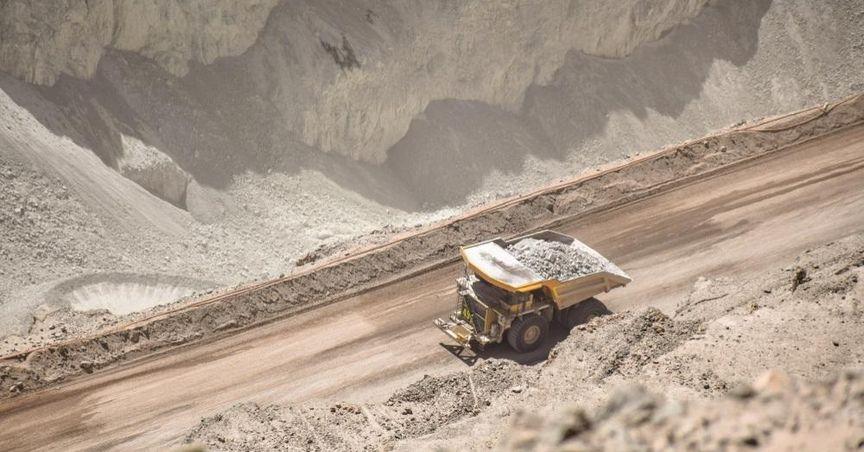
The global metals and mining sector operates across extraction, processing, and distribution activities that support construction, manufacturing, and energy systems. Within this sector, Rio Tinto plc (NYSE:RIO) functions as a diversified producer with exposure to iron ore, aluminum, copper, and other materials, operating across multiple geographic regions through integrated supply chains.
How does the mining sector interact with industrial demand?
Mining activity is closely linked with industrial demand patterns tied to urban development, transportation networks, and manufacturing output. Materials such as iron ore and aluminum serve foundational roles within steelmaking and fabrication processes, while copper supports electrical systems and renewable infrastructure. Sector participants typically maintain long term production planning frameworks aligned with anticipated industrial consumption levels across developed and emerging regions.
What role do processing facilities play in resource supply chains?
Processing facilities convert raw extracted materials into usable forms suitable for downstream industries. Smelters and refineries represent capital intensive assets that require stable energy access, logistical coordination, and regulatory compliance. Continued operation of such facilities often involves collaboration among operators, energy providers, and public authorities to align production capacity with regional economic requirements.
How do public sector frameworks influence industrial continuity?
Public sector frameworks frequently shape the operating environment for large scale industrial assets through infrastructure planning, environmental standards, and regional development objectives. In resource processing contexts, cooperative arrangements may support operational continuity where facilities contribute significantly to employment, export activity, and local supply networks, while remaining subject to established compliance structures.
What factors shape organizational restructuring within mining groups?
Organizational restructuring within mining groups generally reflects efforts to streamline asset portfolios, align operational focus, and improve efficiency across geographically dispersed operations. Such initiatives may involve divestment of non core assets, consolidation of business units, and recalibration of capital allocation priorities, all conducted within existing corporate governance frameworks.
How does copper production fit within diversified resource strategies?
Copper production represents a strategic component within diversified resource strategies due to its extensive use in power transmission, electronics, and infrastructure development. Mining groups with copper exposure often integrate extraction with processing and logistics systems to support consistent supply to industrial customers across multiple regions.
What geographic factors influence global mining operations?
Geographic factors such as ore quality, energy availability, transportation access, and regulatory environments influence site selection and operational planning. Mining groups typically maintain diversified geographic footprints to balance resource availability with operational resilience, while managing region specific requirements related to land use and environmental stewardship.
How are global equity benchmarks referenced within sector discussions?
Sector discussions often reference broad equity benchmarks to contextualize market activity across industries. Indices such as the NYSE Composite and the Dow Jones Industrials Average provide aggregated views of listed companies operating across diverse economic segments.
How do energy considerations affect metals processing?
Energy considerations play a central role in metals processing due to the intensive power requirements of smelting and refining activities. Operators frequently engage with energy suppliers to secure reliable power access while aligning operations with emissions standards and regional energy transition objectives.
What operational themes shape large scale mining enterprises?
Large scale mining enterprises operate across themes including asset optimization, supply chain coordination, workforce management, and environmental compliance. These themes influence decision making related to production scheduling, maintenance planning, and stakeholder engagement across host regions.
How is aluminum positioned within industrial materials markets?
Aluminum occupies a prominent position within industrial materials markets due to its lightweight properties, recyclability, and versatility across construction, transportation, and packaging applications. Integrated aluminum operations encompass bauxite mining, alumina refining, and smelting activities within coordinated production networks.
