
 AUS
AUS
 NZ
NZ
 UK
UK
 CA
CA
 USA
USA
 IND
IND







Highlights
Funding steps move Tulu Kapi toward on-site development
Community resettlement and power links gain momentum
Market attention grows around KEFI’s Ethiopia project
KEFI advances its flagship gold project in western Ethiopia as financing milestones, construction planning, and community engagement align, drawing broader interest across the London market and mining-focused investors.
KEFI Gold and Copper PLC (AIM:KEFI) is drawing attention across LSE mining stocks as it moves closer to completing a major funding phase for the Tulu Kapi gold project in western Ethiopia. The company’s latest update signals a coordinated push to bring together equity and debt arrangements, setting the stage for full financial close and the beginning of significant on-site development activity.
This progress reflects a broader trend in the LSE & FTSE stock market where mining and resource companies are gaining visibility as global interest in gold and strategic minerals continues to shape investment conversations. KEFI’s approach highlights how structured financing, community engagement, and infrastructure readiness can combine to move a long-anticipated project toward tangible execution.
A Clear Path Toward Financial Close
KEFI has confirmed that binding documentation for a substantial loan facility is now in place, providing a solid foundation for the next phase of development at Tulu Kapi. Alongside this, the remaining components of the company’s equity structure are undergoing final documentation, including arrangements tied to streaming, royalty participation, and local preference share participation.
These steps collectively aim to enable the full drawdown of the equity package that will support construction and early operational works. The company has positioned this financing framework as a way to balance funding sources while maintaining flexibility for future growth initiatives.
This strategic alignment places KEFI among a group of resource-focused companies gaining traction within the FTSE AIM 100 Index, where emerging and growth-oriented businesses often attract attention for their project pipelines and expansion strategies.
Building Momentum on the Ground
Beyond the financial milestones, KEFI’s update points to tangible progress at the project site. Preparatory work has accelerated, with land clearance activities underway to make room for resettlement housing for local residents. Compensation processes have also begun, reflecting the company’s focus on social responsibility and community integration as part of its development plan.
The mobilization of the plant construction contractor marks another key step. Procurement efforts are now active, ensuring that essential equipment and materials are aligned with the project timeline. In parallel, electricity transmission work has commenced at a nearby regional center, laying the groundwork for reliable power access once construction advances further.
These operational developments demonstrate a shift from planning to execution, a transition that often serves as a pivotal moment for mining projects seeking to establish long-term operational stability.
Strengthening Market Position and Visibility
KEFI’s progress is being observed within a wider market context that includes major benchmarks such as the FTSE 100 and the FTSE 350. While the company operates within the growth-focused segment of the market, its project scale and regional significance contribute to its profile among investors tracking resource development in emerging markets.
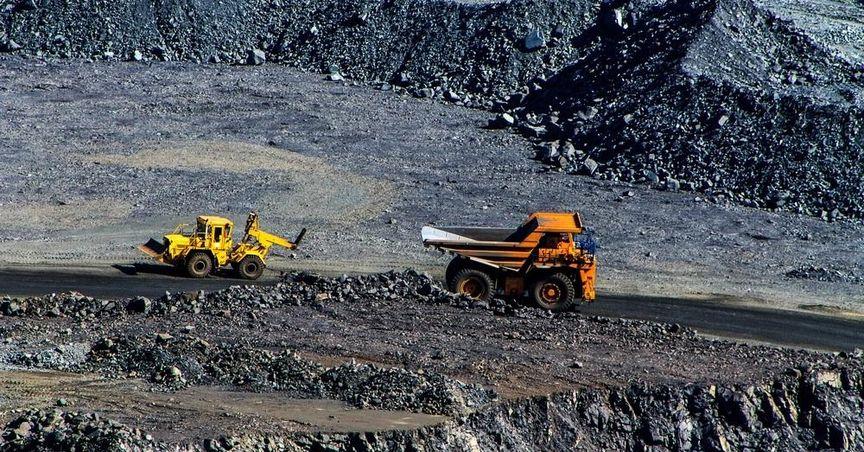
The Tulu Kapi project itself is positioned as a high-grade open-pit operation, with a development model designed to integrate local participation and international financing standards. This combination of regional engagement and global market alignment underscores KEFI’s strategy to build credibility across multiple stakeholder groups.
For those exploring opportunities within LSE dividend stocks, KEFI’s focus on long-term project development and structured financing may offer insight into how resource companies plan for future revenue streams and sustainable operations, even as they remain in growth and build-out phases.
Community Engagement and Social Programs
A central theme in KEFI’s update is its emphasis on community engagement. The company has highlighted the importance of ensuring that local residents affected by the project are supported through structured resettlement and compensation initiatives. This approach is intended to foster long-term relationships with surrounding communities and create a foundation for shared economic benefits.
In addition to housing and infrastructure, KEFI is considering further non-dilutive funding options aimed at supporting working capital, exploration activities, and social programs. These initiatives are designed to strengthen the project’s overall resilience while contributing to local development goals.
Such measures align with broader expectations in the mining sector, where environmental and social considerations increasingly play a role in how projects are evaluated by market participants and regulatory bodies alike.
Aligning With Global Gold Trends
The timing of KEFI’s funding progress coincides with a period of heightened interest in gold markets. While the company’s update references favorable conditions for the metal, its focus remains on long-term project viability rather than short-term market movements.
This long-view approach reflects a broader strategy seen among mining companies seeking to position themselves within global supply chains and regional development frameworks. By prioritizing infrastructure readiness, financing stability, and community partnerships, KEFI aims to create a platform for sustained operations once production begins.
Within the context of the LSE & FTSE stock market, such strategies often resonate with investors looking for companies that balance growth ambitions with operational discipline.
Strategic Outlook for Tulu Kapi
As KEFI moves closer to full financial close, the next phase will involve scaling up construction activities and integrating key project components. The coordination between financing partners, contractors, and local authorities will play a crucial role in maintaining momentum.
The company’s broader vision includes ongoing exploration programs and the potential expansion of its project portfolio in the region. By reinforcing its working capital base and social initiatives, KEFI aims to support both operational efficiency and community development.
This multifaceted approach reflects a growing trend among resource companies to position themselves not only as extractive operators but also as long-term partners in regional economic growth.
Market Relevance and Investor Engagement
KEFI’s journey toward construction at Tulu Kapi is being followed by market participants who track emerging mining stories across the London exchange. The company’s presence within the growth segment of the market offers a contrast to larger, established players featured in major indices.
For readers interested in broader market coverage, resources such as LSE mining stocks provide insight into how companies across the sector are navigating financing, development, and regulatory landscapes. Similarly, platforms focused on the FTSE AIM 100 Index highlight the role of smaller and mid-sized companies in driving innovation and project development.
These perspectives help contextualize KEFI’s progress within the wider ecosystem of listed mining and resource businesses.
Looking Ahead
With financing structures nearing completion and on-site activities gaining pace, KEFI is entering a defining stage in the development of Tulu Kapi. The coming months are expected to focus on advancing construction readiness, strengthening infrastructure connections, and maintaining engagement with local stakeholders.
As global interest in gold and strategic minerals continues to shape market narratives, KEFI’s project stands as an example of how structured planning and collaborative approaches can move a complex development forward.
For those following developments across the LSE & FTSE stock market, KEFI’s progress offers a case study in how emerging mining companies navigate the path from planning to production while balancing financial, operational, and social priorities.
