
 AUS
AUS
 NZ
NZ
 UK
UK
 CA
CA
 USA
USA
 IND
IND






Highlights
Target revision sharpens focus on BHP Group’s direction
Commodity trends reinforce diversified mining strength
Market sentiment steadies around global resources leaders
A detailed exploration of a leading mining company’s updated outlook, sector position and relevance within major UK equity benchmarks, focusing on diversified commodity exposure and strategic direction.
The short selling landscape often acts as a barometer for broader market conviction, revealing where traders see vulnerability or resilience among leading equities. Within the ftse 100, heavyweight mining group BHP Group (LSE:BHP) frequently attracts close scrutiny due to its global footprint and exposure to critical commodities. As one of the most influential constituents of the UK’s premier blue-chip index, BHP’s valuation shifts can reverberate across portfolios and shape sentiment around the wider ftse complex.
Recent adjustments to BHP Group’s price outlook have reignited debate around the mining titan’s trajectory, prompting market participants to reassess both near-term momentum and long-term strategic positioning.
Why Is BHP Group Back in the Spotlight?
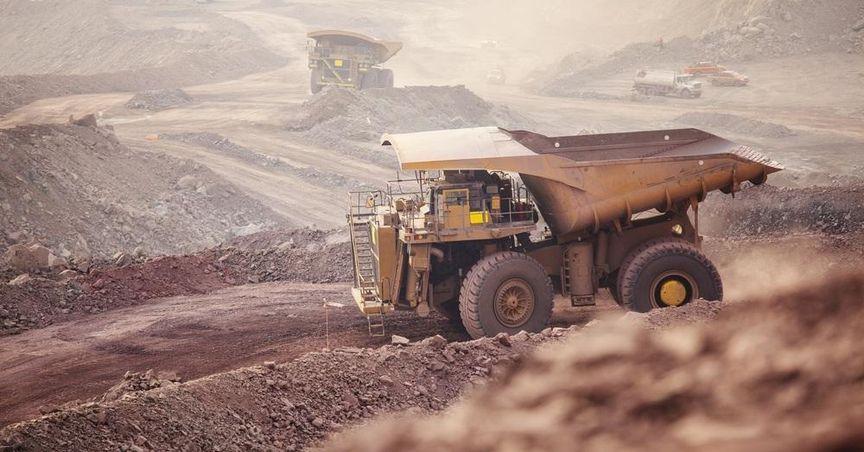
BHP Group (LSE:BHP) is a diversified global resources company headquartered in Australia and listed in London, with operations spanning iron ore, copper, metallurgical coal and other essential materials. The company plays a central role in supplying commodities that underpin infrastructure, electrification and industrial development worldwide.
A revised price outlook has placed BHP Group firmly back on watchlists. Although the overall stance remains measured, the adjustment signals confidence in the company’s operational resilience and cash-generative capabilities amid evolving global conditions.
The mining sector has faced fluctuating commodity prices, shifting geopolitical currents and changing demand dynamics. Against this backdrop, BHP Group’s diversified asset base has helped cushion volatility, providing exposure to both traditional industrial demand and future-facing metals linked to the energy transition.
What Does the Revised Target Mean?
A revised target price typically reflects updated assumptions about earnings prospects, commodity cycles and broader macroeconomic influences. In BHP Group’s case, the change suggests recognition of improving fundamentals without fundamentally altering the broader view.
For market observers, such revisions can serve as validation of operational progress. They may also indicate confidence in capital discipline, project development and cost management. BHP Group has consistently emphasised productivity, portfolio optimisation and disciplined capital allocation, themes that continue to shape its narrative.
Iron ore remains a cornerstone of earnings, supported by large-scale, low-cost operations. Meanwhile, copper assets have gained strategic importance as global electrification trends accelerate. This dual exposure positions BHP Group at the intersection of established industrial demand and emerging sustainability-driven growth themes.
How Does BHP Compare Within the UK Market?
Within the broader ftse 350, BHP Group stands out for its scale and international reach. Mining companies often serve as economic indicators, reflecting shifts in global growth expectations.
The company’s weighting within the flagship index means any reassessment of its outlook can influence sector sentiment more widely. Commodity producers have experienced renewed attention as supply constraints, infrastructure investment and renewable energy initiatives reshape demand patterns.
BHP Group’s global operations allow it to draw revenue from multiple regions. Iron ore shipments to Asia, copper output tied to renewable infrastructure and exposure to metallurgical coal used in steelmaking all contribute to a balanced portfolio.
What Drives BHP Group’s Earnings Profile?
Iron Ore Stability
Iron ore continues to underpin BHP Group’s financial strength. Established infrastructure and competitive production costs support consistent performance across cycles.
Copper and Electrification
Copper is central to renewable energy systems, electric vehicles and modern grid infrastructure. BHP Group’s copper portfolio positions it to benefit from structural demand associated with decarbonisation.
Coal and Industrial Demand
Metallurgical coal remains vital for steel production. Despite evolving environmental policies, steel demand linked to construction and infrastructure continues to support its relevance.
Which Broader Indices Provide Context?
While BHP Group remains anchored in the ftse 100, the UK equity universe also includes benchmarks such as the FTSE AIM UK 50 INDEX and the FTSE AIM 100 Index. These indices capture smaller and growth-oriented companies, offering contrast to the global scale of diversified miners.
Income-focused market participants often monitor FTSE Dividend Stocks for stable distribution histories. BHP Group’s cash generation capacity places it within discussions around consistent shareholder returns.
What Risks Remain on the Horizon?
Commodity producers remain exposed to cyclical fluctuations. Changes in global demand, trade policies and currency movements can influence realised pricing. Regulatory developments and environmental frameworks also shape operational landscapes.
Operational considerations, including weather conditions or logistical challenges, may impact production volumes. However, BHP Group’s diversified portfolio helps distribute exposure across commodities and regions.
What Should Be Watched Next?
Key areas of focus include:
-
Updates on production guidance across major commodities
-
Progress on copper expansion initiatives
-
Trends in global infrastructure investment
-
Policy developments affecting mining operations
BHP Group’s trajectory often mirrors broader resource sector trends. Shifts in its outlook can therefore provide insight into sentiment surrounding industrial metals and global growth expectations.
