
 AUS
AUS
 NZ
NZ
 UK
UK
 CA
CA
 USA
USA
 IND
IND




Highlights
UK equities reflect steady positioning as oil conditions show mild easing.
Energy and financial sectors contribute to balanced activity across London indices.
FTSE benchmarks capture cross-sector participation amid changing commodity dynamics.
UK equities reflect steady movement across FTSE indices as energy sector dynamics and easing oil conditions shape balanced market participation.
The United Kingdom equity market is closely connected to sectors such as energy, financial services, and industrials, all of which play a significant role within the FTSE 100 and the FTSE 350. These indices represent companies with global operations, particularly within the energy sector, where movements in oil markets influence broader equity activity. Firms such as Shell plc (LSE:SHEL), operating within the integrated energy segment, reflect the connection between commodity conditions and equity market participation.
Market activity across London reflects a phase of relative balance, where earlier momentum transitions into a more measured environment. Developments within global oil markets contribute to this shift, influencing sector participation and overall equity positioning.
Energy Market Conditions and Sector Participation
The energy sector forms a core part of UK equities, encompassing companies involved in exploration, production, refining, and distribution of energy resources. These organisations operate within global frameworks, connecting supply chains with international demand patterns.
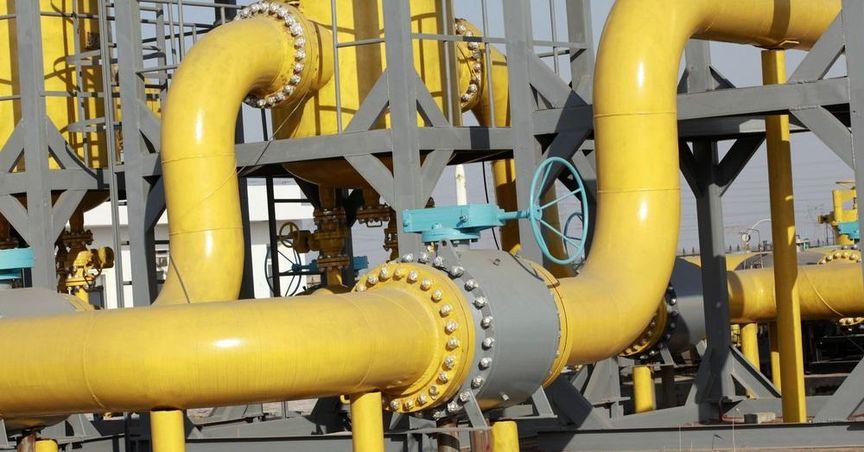
Shell plc (LSE:SHEL) represents a major participant within this sector, maintaining operations across upstream and downstream activities. The company’s global footprint reflects how energy firms integrate production and distribution networks with changing commodity conditions.
Movements within oil markets influence sector participation, affecting logistical operations, transportation frameworks, and resource allocation. These dynamics contribute to variations in energy sector activity, which in turn influence broader market behaviour. Within the wider FTSE environment, energy companies remain a central component, reflecting their role in connecting global commodity markets with UK-listed equities.
Financial Sector Alignment with Market Conditions
The financial sector plays a key role in supporting overall market activity, encompassing banking institutions, insurance providers, and diversified financial services firms. These organisations operate within structured frameworks that support economic activity through lending, asset management, and financial intermediation.
Financial institutions maintain alignment with broader economic conditions, ensuring liquidity and capital flow across industries. Their operations connect domestic financial systems with global markets, contributing to stability within the equity landscape.
Changes in commodity conditions, particularly within the energy sector, often interact with financial sector activity. These interactions influence currency flows, capital allocation, and broader financial engagement across markets. The FTSE all share captures this interaction by incorporating companies across sectors, reflecting the diversity of participation within UK equities.
Cross-Sector Interaction and Market Balance
The UK equity market reflects interaction between multiple sectors, including energy, financials, industrials, and consumer-oriented businesses. Each sector contributes differently to overall market activity, creating a diversified structure that supports balance across indices.
Energy companies align with global commodity markets, while financial institutions support capital flow and economic activity. Industrial firms operate within production and supply chain frameworks, connecting manufacturing with distribution networks.
Consumer-oriented companies engage with retail demand and service delivery, contributing another dimension to market participation. These interactions ensure that sector-level developments are reflected across the broader equity landscape. The Indexftse Ukx reflects how large-cap companies operate within this environment, capturing activity across leading sectors within the UK market.
Market Composition and Index Structure
The structure of UK equities reflects a diverse mix of companies across sectors and market capitalisations. Large-cap and mid-cap companies within the indices contribute to a comprehensive representation of economic activity.
Index composition evolves as companies align with changing operational structures and sector dynamics. This ensures that indices remain reflective of current market conditions, incorporating companies across energy, financial, and industrial sectors.
Companies maintain structured operational frameworks that enable them to adapt to changing environments while maintaining continuity in production and service delivery. These frameworks support participation across the broader equity market.
The FTSE dividend stocks segment highlights companies associated with structured income distribution, reflecting stability within certain areas of the market.
Corporate Operations and Sector Integration
Corporate operations across UK equities remain aligned with sector-specific dynamics and broader market conditions. Energy firms maintain global production and distribution networks, while financial institutions operate within structured economic systems.
Industrial companies focus on maintaining supply chain efficiency and production continuity, ensuring integration with global demand patterns. Consumer-oriented firms continue to operate within retail and service frameworks, connecting products with customers across markets.
These organisations operate within interconnected systems that link production, logistics, and financial services. Their alignment with sector dynamics ensures continued participation within the broader market structure.
The evolving landscape of UK equities reflects how companies adapt to changing conditions, maintaining operational continuity across sectors influenced by global developments and commodity movements.
