
 AUS
AUS
 NZ
NZ
 UK
UK
 CA
CA
 USA
USA
 IND
IND







Highlights
Strong operational focus across core energy assets
Strategic refinancing and portfolio optimisation
Long-term positioning in the UK energy ecosystem
A comprehensive look at how strategic focus, financial discipline and operational efficiency are redefining long-term sustainability and resilience across the UK energy landscape.
The UK energy sector is undergoing a structural shift as companies refocus on operational resilience, financial discipline and long-term sustainability. In this evolving environment, Tullow Oil Plc (LSE:TLW) stands out as a London-listed energy exploration and production company with a growing strategic footprint across Africa and international offshore energy corridors. As part of the wider FTSE market ecosystem, the company’s latest trading update reflects a business model shaped by disciplined execution, asset optimisation and financial restructuring—positioning it as a significant voice in the UK’s evolving energy narrative.
This transformation is not about short-term momentum, but about long-term structural strength. Tullow Oil’s operational discipline, asset rationalisation and production optimisation signal a broader recalibration that mirrors the wider shift across UK energy markets, where sustainability, resilience and strategic clarity define the new competitive landscape.
What is driving Tullow Oil’s operational momentum?
Tullow Oil’s operational strategy has been defined by consistency, stability and technical optimisation. The company has focused on improving production reliability across its offshore assets, enhancing infrastructure performance and improving field efficiency through advanced reservoir management.
At the heart of this approach is a disciplined development programme that prioritises well performance, production reliability and long-term field sustainability. The company’s offshore operations demonstrate a clear focus on infrastructure uptime, production stability and data-driven reservoir management. By integrating advanced seismic interpretation and subsea optimisation, Tullow Oil continues to refine its production model without overextending capital exposure.
This operational discipline reflects a broader industry trend where energy firms are shifting from expansion-driven strategies to optimisation-led growth. The emphasis is no longer on scale alone, but on quality, efficiency and long-term asset value.
How is portfolio optimisation reshaping the business?
Portfolio streamlining has become a core strategic pillar for Tullow Oil. The company has actively reshaped its asset base by divesting non-core operations and concentrating on high-value, strategically aligned projects.
This realignment reflects a deliberate focus on assets that deliver operational stability, long-term production potential and financial predictability. By reducing exposure to non-strategic regions, Tullow Oil has simplified its operational structure, improved capital efficiency and strengthened balance sheet resilience.
This model mirrors broader trends across the UK energy sector, where companies are increasingly prioritising core competencies over geographic expansion. Strategic focus, rather than scale, has become the defining factor for sustainable growth.
Why is refinancing central to the company’s transformation?
Financial resilience plays a critical role in long-term corporate sustainability. Tullow Oil’s refinancing strategy strengthens liquidity flexibility and improves long-term capital structure stability.
This financial repositioning allows the company to focus on operational delivery without the pressure of near-term funding constraints. By extending debt maturities and strengthening liquidity buffers, the company creates a more stable platform for strategic execution.
In the context of UK capital markets, this approach reflects a wider recalibration where financial discipline is valued as highly as operational performance. Sustainable capital structures now define investor confidence and corporate credibility.
How does Tullow Oil fit into the wider UK market structure?
The UK equity landscape includes a diverse range of market segments, from large-cap leaders to specialist growth platforms. Tullow Oil’s positioning reflects this diversity, operating within a framework that also includes indices such as the ftse 350, where companies balance scale with strategic focus.
Beyond traditional benchmarks, the UK market ecosystem also includes growth-oriented platforms like the FTSE AIM UK 50 INDEX and the FTSE AIM 100 Index, which reflect innovation-driven business models and capital-efficient growth strategies.
This layered market structure allows companies like Tullow Oil to operate within a diversified financial ecosystem that supports both stability and transformation.
What role does sustainability play in long-term strategy?
Sustainability is no longer a secondary objective in the energy sector. It is now embedded in operational planning, investment decisions and strategic direction. Tullow Oil’s focus on efficiency, reduced operational intensity and long-term asset optimisation reflects this transition.
By improving production efficiency and reducing operational complexity, the company aligns itself with evolving environmental expectations while maintaining commercial viability. This balance between responsibility and resilience is increasingly critical in shaping long-term sector credibility.
The integration of sustainability principles into operational strategy reflects a broader industry evolution, where responsible production models define future competitiveness.
How does gas infrastructure strengthen long-term stability?
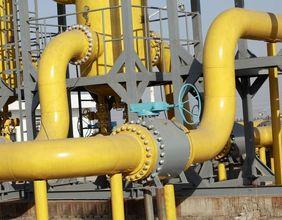
Gas development plays a central role in energy transition strategies. Tullow Oil’s focus on gas supply infrastructure supports energy security, grid stability and transitional energy frameworks.
Gas serves as a stabilising energy source within evolving energy systems, offering reliability while renewable infrastructure continues to scale. This positioning aligns Tullow Oil with long-term transition frameworks that prioritise balanced energy portfolios rather than abrupt structural shifts.
What defines the company’s long-term vision?
Tullow Oil’s long-term strategy is built on three core pillars:
Operational excellence
Focused asset management, production reliability and infrastructure optimisation.
Financial discipline
Strengthened liquidity structures, disciplined capital allocation and portfolio rationalisation.
Strategic clarity
Concentration on core assets, long-term value creation and sustainable growth pathways.
Together, these pillars define a business model designed for resilience rather than volatility, positioning the company for long-term relevance in a changing energy market.
How does this align with income-focused market themes?
Income stability and long-term value creation remain central themes in UK equity markets. Market segments such as FTSE Dividend Stocks highlight the growing demand for financially stable companies with predictable cash flow models.
While Tullow Oil operates within the energy production space, its financial restructuring and operational discipline align with broader market preferences for stability, predictability and sustainable business models.
