
 AUS
AUS
 NZ
NZ
 UK
UK
 CA
CA
 USA
USA
 IND
IND








Highlights
- The Bank of England’s Monetary Policy Committee has increased interest rates to 0.5% from 0.25% today.
- The central bank warned that inflation could hit 7.25% in April 2021, which was previously pegged at 6%.
- The bank added that the household income will drop by 2%, the worst hit since its record started in 1990.
After many speculations, The Bank of England’s (BoE) Monetary Policy Committee has doubled the interest rates to 0.5% from 0.25% on 3 February, as the inflation rate surged unexpectedly to 5.4% in December 2021, making it the highest since 1992.
As per media report, five of the nine members in the Monetary Policy Committee voted in favour of increasing the interest rate by 25 basis points. Four members wanted to raise it further by 50 basis points to 0.75%. The decision can be considered as a harsh one considering the increasing the cost-of-living crisis on household, supply chain crisis, and faltering economic recovery.
Following the increase in UK’s interest rate, the pound rose by 0.3% on the international currency markets against US dollar and economists now expect rates to hit 1% by May, previously expected by June, and 1.25% by the end of 2022.
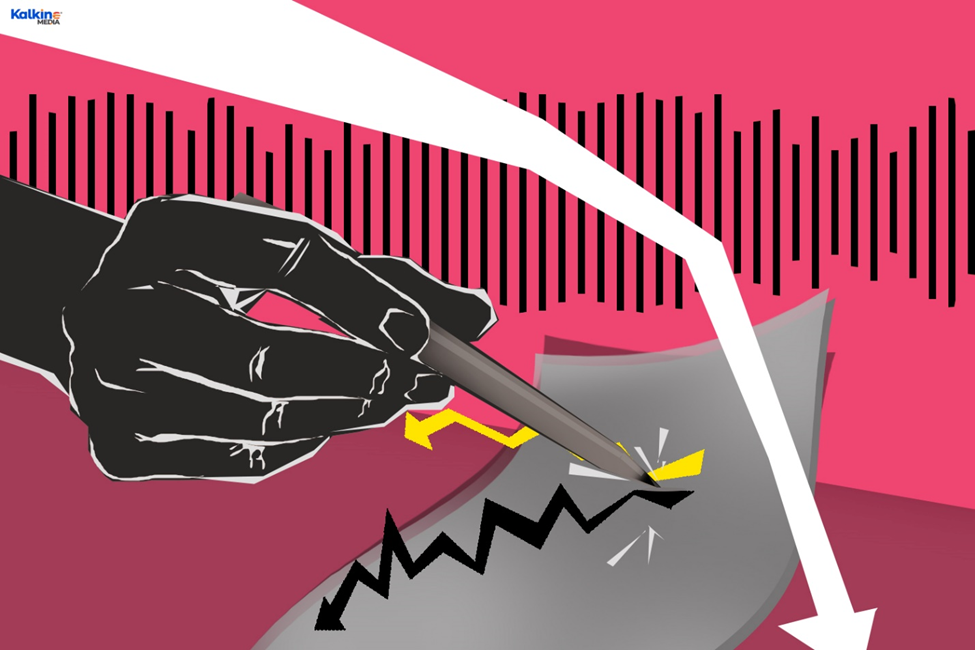
The central bank also warned that inflation could hit 7.25% in April that was previously projected at 6%, indicating more hikes in cost of living and drop in overall household income by 2%, the worst hit since its record started in 1990. The bank further downgraded its growth predictions from 5% to 3.75% in 2022 and from 1.5% to 1.25% in 2023.
On the other hand, Energy regulator Ofgem announced that the UK’s energy price cap will rise by 54% to around £1,971 in April, which would mean prices will increase by £693 from 1 April 2022 and would further increase financial pressure on already struggling households and businesses. The bank further added that the energy price cap could further increase by 10% in October.
© 2022 Kalkine Media®
To support the household sector that is under pressure caused by rising in energy price cap, Chancellor Rishi Sunak offered £350 to most households but even then, the energy bills are set to be much higher than last year.
The Bank also said that it will begin winding down its £895 billion stimulus package that was introduced when the pandemic hit the economy. The BoE’s Monetary Policy Committee unanimously voted to start reducing its qualitative tightening programme of £875 billion stock of UK government bonds, by not buying new gilts when they mature and £20 billion stock of corporate bonds on the bank’s balance sheet by not reinvesting mature assets and by selling bonds.
Change in personal finances
- Hike in loan rates
When the Bank of England raises interest rates, monthly payments on borrowing or EMIs go up, especially on the loans taken from banks. The housing sector has been dreading the hikes as a succession of rate rises can lead to flatten the surging property market.
Lenders of variable-rate mortgages will pass on the burden to the borrowers by raising the interest rates.
© 2022 Kalkine Media®
- Household expenses
A hike in interest rates doesn’t affect energy and petrol prices as they depend on global factors. With Ofgem increasing the energy bill by 54%, 22 million households will have to shell out an average of bill of £1,971 per annum for gas and electricity. The price of electricity is up 18.8% in a year, and gas is up 28.8%.
At present, fuel prices in transport sector will add to the burden, which is already under stress due to global issues.
- Investments and Savings
If you have a variable rate savings account, a hike in interest rate would mean a better return on your money. Some stocks like the FTSE banking stocks have been doing well since December 2021 on the back of their loan businesses becoming more lucrative. More hikes would mean their rates will go up. So, investing in some stocks might be a good option. However, how much Britons can save and invest further would be a tough question to answer.
