
 AUS
AUS
 NZ
NZ
 UK
UK
 CA
CA
 USA
USA
 IND
IND








The last decade has seen a dramatic increase in the ease with which foreign corporate structures can be set up, but the sheer variety of countries to choose from can be daunting. Cayman, Singapore, and Delaware are just a few of the places that promote themselves as the best option. However, the British Virgin Islands are a jurisdiction that stands out time and time again for its ease of use, low costs, and widespread renown.
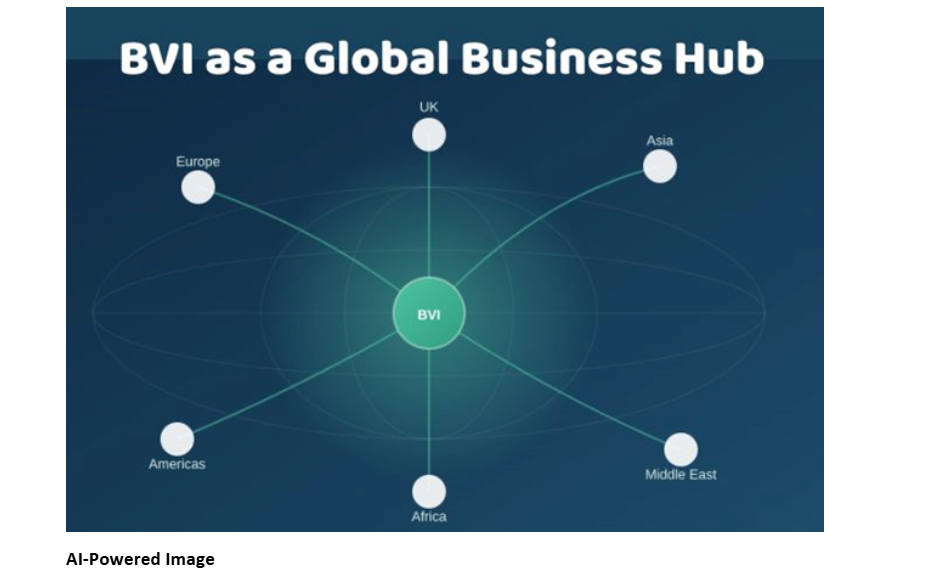
The combination of a simple setup procedure and a legal framework that banks and business partners worldwide already know and trust makes BVI incorporation one of the most popular routes for entrepreneurs when comparing their options when setting up an international holding or trading company.
Why Jurisdiction Choice Matters More Than People Expect
If you're a first-time entrepreneur, you might think that registering your company is just something you have to do before you can get down to the meat and potatoes of running your firm. In reality, the tax treatment, public disclosure requirements, bank account opening procedures, and perceived credibility with foreign partners are all affected by the jurisdiction in which the firm is incorporated.
Even if the business is doing well at the time, a badly selected jurisdiction could cause problems years down the road. This is why it's more important to know how different jurisdictions work in practice than to just choose the one that's easiest or quickest to set up.
What Makes BVI Companies Practical to Work With
There is a range of benefits offered by a BVI Business Company that founders building structures with a global footprint find appealing.
Reasonable privacy standards
Businesses based in the British Virgin Islands are exempt from paying taxes on profits made outside of the territory, including corporate income, capital gains, and withholding taxes. This prevents companies with international revenue streams from paying domestic taxes on top of those paid abroad.
Fair privacy requirements.
There is no public record of who the shareholders or directors are. This has nothing to do with hiding anything; rather, it is an example of a common business privacy technique that is becoming harder to spot as more jurisdictions switch to fully public beneficial ownership records.
Fast formation timeline
Annual financial statements and audits are voluntary for businesses based in the British Virgin Islands, unlike in many onshore jurisdictions. This significantly reduces ongoing administrative expenses for smaller buildings.
Short time required for formation
The incorporation process for a company in the British Virgin Islands (BVI) is much quicker than in many other countries, usually taking just one or two working days once all the necessary paperwork is in place.
Established legal credibility
A benefit when opening accounts or signing contracts worldwide is that BVI firms are widely acknowledged by banks and counterparties across Asia, Europe, and the Americas. This is because the BVI legal system is founded on English common law.
Common Use Cases for BVI Companies
A far wider variety of companies are now using BVI structures. To streamline ownership of their businesses or assets across multiple jurisdictions, holding corporations use BVI entities. They allow trading firms to do foreign transactions without the tax complications of using a domestic organization alone. Many companies that own patents, trademarks, or license agreements employ BVI structures to consolidate ownership.
The BVI is a popular choice for investment vehicles, e-commerce operators, and consultants who work with foreign customers because of its combination of ease of use and worldwide recognition. This is especially true when a fully regulated fund structure is not necessary.
What the Setup Process Actually Involves
Compared to many onshore options, the incorporation procedure is more straightforward. The process typically includes selecting a distinct name for the company, designating at least one director and shareholder (who may be the same individual), drafting the articles of association and memorandum of association, and finally submitting the application through a licensed registered agent, as individuals cannot file directly.
Upon approval, the business is issued a certificate of formation. It is mandatory to maintain a registered office and registered agent in the BVI. In addition to the expense of maintaining the registered agent service, there are annual government fees that must be paid.
Things Worth Considering Before Incorporating
Not every company would benefit from a BVI structure. There may be preferable countries for businesses that need to join a specific tax treaty network, establish a regulated investment fund, or maintain a physical presence for licensing purposes. It should be noted that financial institutions often conduct additional due diligence on offshore entities, which means BVI corporations may be required to provide more paperwork when establishing a banking relationship than companies based in onshore countries.
Before incorporating, it is helpful to consult with a seasoned registered agent or corporate services provider to determine whether a BVI structure is suitable for a given business model.
Getting Started
If business owners have done their research and think an offshore holding or trading structure would be a good fit, the British Virgin Islands (BVI) is still a great place to start. It remains the go-to for many corporate structures due to its low maintenance costs, low compliance overhead, and widespread recognition—provided the underlying business model can truly reap the benefits of an international structure.
The content has been authored in collaboration with our guest contributor, Rob James.
Disclaimer
"This article is for general informational purposes only and does not constitute legal, tax, financial, or professional advice. Readers should seek independent professional guidance before making any incorporation or business structuring decisions.”
