
 AUS
AUS
 NZ
NZ
 UK
UK
 CA
CA
 USA
USA
 IND
IND






Highlights
- The manufacturing and construction sectors have experienced significant declines, impacting the overall economy in Ontario.
- The public sector, including healthcare and education, has emerged as a key contributor to economic growth.
- Auto production and cross-border demand show prospects of gradual improvement in the coming year.
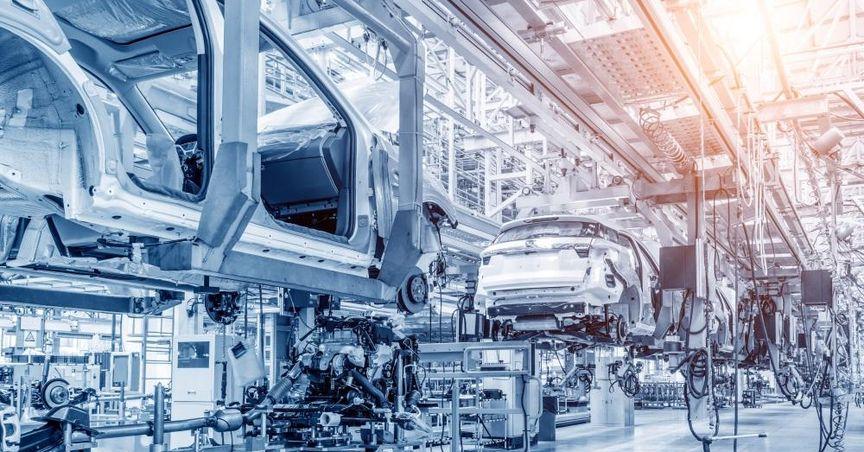
The manufacturing and construction sectors have faced considerable challenges, particularly in Ontario. A sharp decline in condominium development, driven by reduced pre-sales in key regions such as the Greater Toronto Area, has led to a slowdown in construction activities. This trend has also impacted manufacturing industries, notably those involved in producing fabricated metals and machinery, as demand has declined.
The automotive industry has also contributed to these challenges. Temporary factory closures in both Canada and the United States for electric vehicle retooling have further diminished manufacturing output, making the auto sector a substantial drag on overall economic performance.
Economic Performance in Ontario
Ontario's economy has been shaped by these manufacturing and construction difficulties. While population growth has contributed positively to overall GDP figures, per capita economic performance has been less encouraging. The provincial economy has contracted in terms of per capita output since mid-2022.
Labour market dynamics have also shifted in response to the weaker economic environment. Job vacancy levels have dropped below those seen in earlier years, while unemployment rates have risen. This cooling of the labour market reflects broader economic challenges.
Public Sector as an Economic Driver
In contrast to the struggles in goods production, the public sector has played a pivotal role in driving growth. Key areas such as healthcare, education, and public administration have emerged as significant contributors. Together, these sectors are expected to account for a large share of economic growth, particularly through sustained government funding and infrastructure development.
Outlook for Manufacturing and Trade
The manufacturing sector's outlook suggests some stability in the near term. Automotive production is expected to recover as retooling activities conclude. Additionally, demand from international markets, particularly the United States, may see improvement with support from a lower Canadian dollar. However, housing construction and related sectors are likely to remain subdued, while government expenditure growth is expected to be moderate.
