
 AUS
AUS
 NZ
NZ
 UK
UK
 CA
CA
 USA
USA
 IND
IND






Highlights
- Natural gas and liquids production complement oil sands operations.
- Canadian and Asia-Pacific assets contribute to production diversity.
- LNG-related demand trends highlight the role of gas-weighted resources.
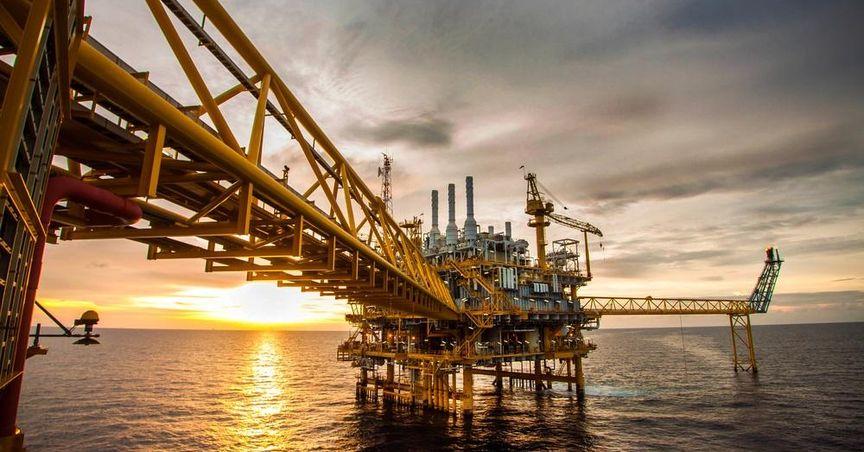
Natural gas production, LNG-linked demand trends, oil sands operations, and refining activities highlight Cenovus Energy’s diversified presence within the S&P/TSX 60.
S&P/TSX 60 constituents include Cenovus Energy, one of Canada’s largest integrated energy companies operating across upstream production, refining, and marketing activities. The company operates within the energy sector, with a business model that combines oil sands assets, conventional production, offshore developments, and downstream refining operations. Alongside its established oil-focused operations, gas-weighted assets have become a notable component of the company’s production mix, adding exposure to natural gas and natural gas liquids across several regions.
Integrated Energy Operations
Cenovus Energy (TSX:CVE) maintains a diversified operational footprint that spans the full energy value chain. Core upstream activities include oil sands developments in Alberta, supported by conventional oil and gas assets in Western Canada. The company also participates in offshore production projects located in the Asia-Pacific region.
Downstream operations include refining facilities and transportation infrastructure that process crude oil into refined petroleum products. This integrated structure connects production assets with refining and marketing capabilities, allowing operations across multiple segments of the energy industry.
As one of the largest Energy Stocks within the Canadian market, the company occupies a prominent position among businesses represented in the S&P/TSX 60.
Growing Importance of Gas-Weighted Assets
Natural gas and natural gas liquids have become increasingly visible within the company’s asset base. Conventional operations and offshore properties contribute a significant portion of gas production, complementing crude oil output from oil sands projects.
Gas-weighted assets differ from oil sands developments in both production characteristics and commodity exposure. While oil sands assets remain a major operational component, natural gas production provides participation in a separate segment of global energy markets.
This broader commodity mix reflects changing dynamics across energy consumption patterns, where natural gas continues to play an important role in electricity generation, industrial activity, and export markets. The presence of both oil and gas assets creates a more varied production profile across regions and resource types.
Exposure to LNG Demand Trends
Liquefied natural gas has become a significant component of international energy trade. LNG allows natural gas to be transported across oceans, connecting producing regions with markets that lack sufficient domestic supply.
Assets associated with natural gas production provide indirect exposure to LNG demand trends. Growth in LNG infrastructure, including export terminals and transportation networks, has increased attention on gas-producing regions capable of supplying international markets.
Canadian natural gas resources have received heightened interest as LNG export facilities advance on the country's west coast. At the same time, Asia-Pacific markets continue to represent important destinations for LNG consumption due to industrial demand and electricity generation requirements.
Within the S&P/TSX 60, several energy companies participate in segments connected to LNG supply chains, and gas-focused production remains a notable theme across portions of the sector.
Oil Sands Remain a Core Component
Despite increased attention on gas-weighted assets, oil sands operations continue to represent a central part of the company’s activities. Long-life reserves and established production facilities support significant crude oil output from Alberta.
Oil sands projects require substantial infrastructure, including extraction, transportation, and processing systems. These assets have historically formed the foundation of production volumes and operational activity.
The coexistence of oil sands developments and gas-weighted operations illustrates the breadth of the company’s resource base. Production originates from multiple asset categories rather than a single commodity source, creating a combination of conventional, offshore, and oil sands operations.
Refining and Marketing Activities
Refining assets remain an important element of business operations. Facilities located in North America process crude oil into transportation fuels and other petroleum products distributed through wholesale and commercial channels.
Refining capacity contributes to operational diversity by extending activities beyond resource extraction. The integration of upstream and downstream operations allows participation in multiple stages of the energy supply chain.
Market conditions affecting crude oil production, refining throughput, and fuel demand can influence different segments of the business at varying times. This combination of activities distinguishes integrated energy companies from producers focused exclusively on exploration and production.
Geographic Reach and Industry Position
Operations extend across Canada, the United States, and international offshore regions. This geographic diversity provides access to multiple resource basins and energy markets.
Canadian operations remain the largest component of the asset base, particularly through oil sands and conventional production activities. Offshore developments in the Asia-Pacific region contribute additional production and reinforce the company’s participation in global energy markets.
Cenovus Energy (TSX:CVE) remains a significant participant in Canada’s energy industry, combining oil sands production, conventional oil and gas resources, offshore assets, refining operations, and marketing activities. Its presence within the S&P/TSX 60 reflects the scale of these operations and the company's role in the broader Canadian energy sector.
