
 AUS
AUS
 NZ
NZ
 UK
UK
 CA
CA
 USA
USA
 IND
IND






Highlights
- Linamar operates as a diversified global manufacturing company with industrial and mobility segments.
- Recent trading activity reflected movement above a long-term moving average level.
- Broader manufacturing activity aligns with industrial representation in Canadian market benchmarks.
Canada’s industrial manufacturing sector encompasses companies engaged in advanced engineering, component production, and equipment manufacturing across global markets. Within this landscape, Linamar Corporation (TSX:LNR) operates as a diversified manufacturer supplying engineered products to both industrial and mobility sectors. Industrial companies of this nature are often discussed alongside major benchmarks such as the s&p composite index, which reflects activity across sectors including manufacturing, energy, financial services, and materials. The presence of manufacturing firms in this benchmark highlights their role in supporting industrial output and technological development within Canada’s economy.
Recent market activity indicated that Linamar Corporation experienced movement above a long term moving average level during trading sessions. Such developments are typically associated with changes in market participation and trading dynamics. Observations of moving averages are commonly used to assess broader patterns in trading activity, particularly in relation to long term trends within industrial equities.
Industrial Manufacturing and Engineering Capabilities
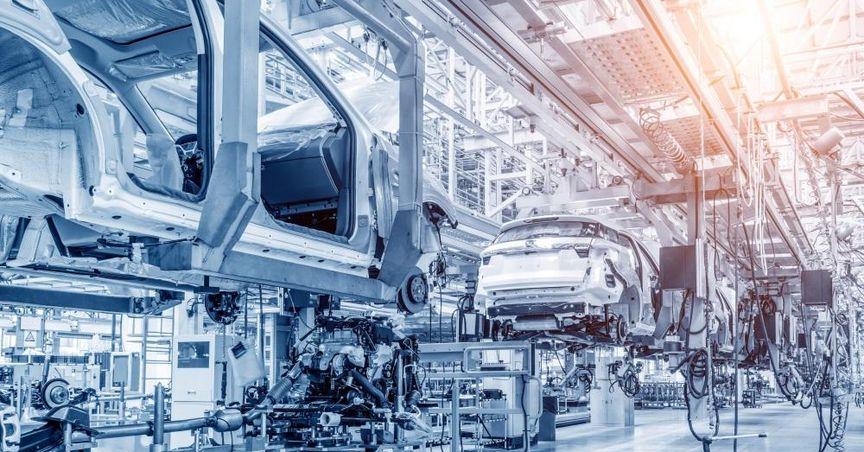
Linamar Corporation operates within the global manufacturing sector through a combination of engineering expertise and vertically integrated production capabilities. Manufacturing processes involve casting, forging, machining, and assembly of components designed for a range of industrial applications. These processes support production of parts used in equipment, machinery, and vehicle systems.
The company’s engineering capabilities extend beyond component production to include design, development, and testing services. These services enable the creation of customized solutions for industrial clients requiring precision engineered components. Integration of design and production functions allows manufacturing processes to align closely with performance requirements across different applications.
Industrial manufacturing operations typically rely on advanced technologies including computer numerical control machining systems, automated assembly lines, and materials engineering techniques. These technologies support consistent production quality and operational efficiency across manufacturing facilities.
Mobility Segment and Automotive Integration
The mobility segment represents a significant component of Linamar’s operational structure. This segment focuses on production of components and systems used in both traditional and electrified vehicle platforms. Activities include development of powertrain components, structural parts, and integrated systems designed for vehicle performance and efficiency.
Manufacturing processes within the mobility segment involve the use of lightweight materials such as aluminum and other alloys. These materials are commonly used in automotive applications to support weight reduction and energy efficiency in vehicle systems. Production facilities integrate casting and machining operations with assembly processes to deliver finished components for automotive manufacturers.
Manufacturing Sector in Canadian Market Benchmarks
Manufacturing companies contribute to the industrial representation within Canadian market benchmarks such as the tsx composite index. These benchmarks include companies from multiple sectors including industrial manufacturing, energy production, financial services, and materials. The inclusion of manufacturing firms reflects the importance of industrial production within the national economy.
The Canadian manufacturing sector encompasses production of machinery, automotive components, industrial equipment, and engineered products used across global markets. Companies operating in this sector often maintain international supply chains and production facilities designed to serve diverse industries.
Industrial firms also contribute to technological development through innovation in materials science, automation, and engineering processes. These advancements influence manufacturing efficiency and product performance across sectors such as transportation, construction, and agriculture.
Industrial Segment and Equipment Manufacturing
The industrial segment of Linamar’s operations includes manufacturing of equipment used in aerial work platforms and agricultural machinery. Brands associated with this segment produce equipment designed for construction, maintenance, and farming activities. These products support industrial operations across sectors such as infrastructure development and agricultural production.
Aerial work platforms are used in construction and maintenance activities requiring access to elevated work areas. Manufacturing of these platforms involves integration of hydraulic systems, structural components, and control mechanisms designed for operational efficiency and safety. Agricultural equipment produced within this segment supports activities such as harvesting and crop management through specialized machinery.
Production processes for industrial equipment combine engineering design with manufacturing capabilities to deliver durable and functional machinery. These processes require coordination between design teams and production facilities to ensure that equipment meets performance standards across diverse operating conditions.
Trading Activity and Moving Average Dynamics
Market observations indicated that trading activity for Linamar (TSX:LNR) shares moved above a long term moving average threshold during recent sessions. Moving averages represent calculated values derived from historical trading data over a defined period. These indicators are often referenced to assess the general direction of trading patterns over time.
When trading activity moves above a long term moving average, it may reflect shifts in market sentiment or participation levels. Such movements are typically analyzed alongside other indicators to understand broader trading behavior within industrial equities. Observations of this nature contribute to discussions around market dynamics rather than operational changes within the company itself.
Trading volumes during these sessions reflected participation levels within the market. Volume levels can indicate the degree of activity associated with a particular trading movement, providing additional context for interpreting changes in trading patterns.
