
 AUS
AUS
 NZ
NZ
 UK
UK
 CA
CA
 USA
USA
 IND
IND







Highlights:
- Advances in automation are transforming agriculture, especially in irrigation and crop management.
- Solar-powered systems help reduce water and fuel costs, particularly on smaller farms.
- While automation increases efficiency, adoption challenges and labor concerns remain.
The agriculture sector increasingly faces rising costs and environmental concerns tied to traditional practices, particularly in areas like irrigation. Farmers, especially those with smaller plots, are exploring renewable-powered, automated systems to lower water and fuel usage. Solar-powered irrigation systems are one example, offering a sustainable and efficient approach to managing water. These systems utilize solar energy to power pumps, distributing water directly to crop roots and reducing the need for fossil fuels. While upfront expenses are substantial, these systems ultimately help farmers decrease both operational costs and environmental impact.
Addressing Labor Shortages with Automation
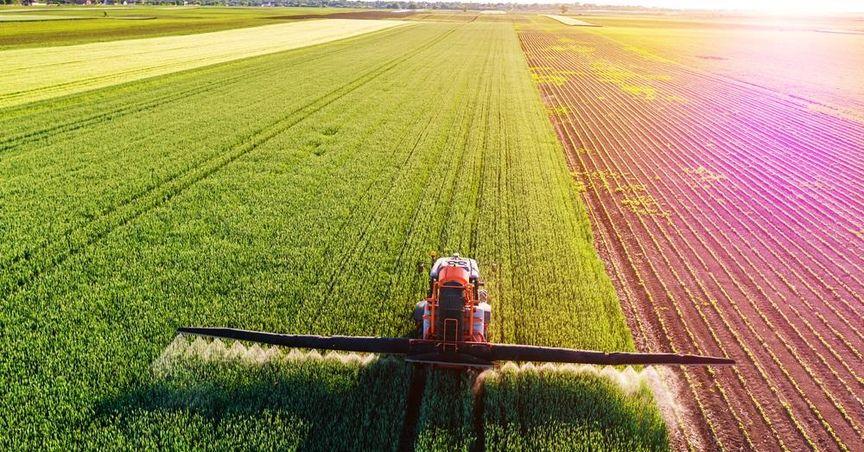
Agricultural automation extends beyond irrigation, addressing the sector’s deepening labor shortages. By integrating advanced machinery for tasks such as planting, harvesting, and crop maintenance, farms can offset workforce limitations while enhancing productivity. Automated equipment like driverless tractors and drones are streamlining various farm operations. These technologies allow for continuous work without the constraints of extreme weather conditions, ultimately improving output. Despite these benefits, smaller farms often struggle with high initial costs, limiting widespread adoption.
Efficiency and Precision in Crop Management
Automated systems bring higher precision to crop management. GPS-guided machinery ensures more accurate planting, watering, and harvesting, which minimizes waste and conserves resources. Precision farming technology, such as drones and sensors, monitors soil health and crop growth, allowing farmers to apply resources like water and nutrients more efficiently. This technology reduces reliance on manual labor and enhances crop yields by maintaining optimal growth conditions, even under adverse environmental changes.
Challenges in Adoption Among Smaller Farms
For smaller farms, the financial burden of automation technology remains significant. Beyond upfront costs, farmers need training to operate complex machinery and software. Additionally, certain crops, particularly those that are fragile or require dexterity to handle, are not easily adaptable to automated processes. Small farms growing crops like berries or citrus fruits may find these tools less applicable, as their crops are delicate and often demand a human touch for effective handling.
Worker Concerns Around Job Security
As automation in agriculture progresses, workers express concerns about potential impacts on job security. Automation could reshape labor needs, especially for repetitive or hazardous tasks. However, many in the workforce worry about being replaced entirely. This shift also raises questions about fair wages, as fewer skilled laborers might be needed, while those who remain may require specialized training to operate advanced machinery.
Future Directions and Sustainability
The push for automated, renewable-powered farming solutions aligns with sustainability goals, aiming to reduce the carbon footprint associated with traditional agriculture. With further advancements in technology, these systems could become more accessible, making it easier for farms of all sizes to adopt efficient, eco-friendly methods. As technology continues to evolve, the balance between automation and labor will likely remain a central focus, shaping the future of the agriculture sector.
