
 AUS
AUS
 NZ
NZ
 UK
UK
 CA
CA
 USA
USA
 IND
IND






Highlights
- Canfor regains market attention after quarterly update
- Forestry sector valuation trends continue shaping sentiment
- Sparks fresh market discussion
Canfor has returned to market focus as valuation discussions, forestry sector trends, and cash flow analysis reshape sentiment across Canada’s industrial and resource-linked landscape.
Canfor, a Canadian integrated forest products company focused on lumber, pulp, and paper manufacturing, has once again captured market attention after its latest quarterly update reignited discussions around valuation, operational resilience, and sector positioning. The forestry sector continues to remain closely connected with broader Canadian market sentiment, especially within the TSX Smallcap Index, where resource-linked businesses often reflect shifts in economic activity, industrial demand, and commodity cycles.
The renewed spotlight on Canfor (TSX:CFP) arrives during a period when market participants are closely assessing how Canadian forestry companies are adapting to evolving global demand conditions, supply chain transitions, and operational cost pressures. While the latest quarterly performance raised questions around near-term profitability, it also revived conversations surrounding long-term valuation and strategic positioning within the lumber and pulp industry.
Forestry Sector Momentum
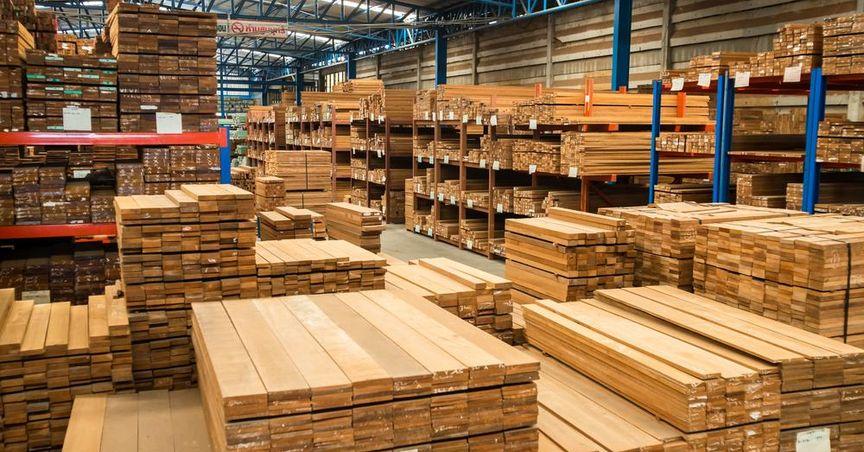
The Canadian forestry industry remains one of the country’s most recognized industrial sectors, supporting construction activity, packaging demand, and international trade relationships. Companies operating in this space often experience fluctuating market cycles due to changes in housing demand, export activity, commodity pricing, and environmental policies.
Canfor operates across multiple regions, including North America, Europe, and Asia, giving the company broad exposure to global wood products and pulp markets. This diversified operating footprint has helped establish Canfor as a recognized participant in the forestry industry despite ongoing cyclical challenges.
The recent quarterly update highlighted how companies within the forestry segment continue to navigate difficult operating conditions while maintaining production capacity and long-term strategic initiatives. Sector-wide developments, including sustainability transitions and shifting demand patterns, continue to shape market sentiment toward Canadian forestry businesses.
Market Attention Returns
The latest developments surrounding Canfor (TSX:CFP) have placed the company back on market watchlists after a period of subdued sentiment. Discussions surrounding valuation metrics, operational performance, and long-term growth positioning have become increasingly prominent following the quarterly release.
Market attention has also intensified because valuation-focused participants often monitor cyclical businesses during weaker earnings periods to assess whether broader market sentiment has become disconnected from long-term operating potential. This renewed focus has contributed to growing conversations around how forestry companies could position themselves as industrial activity stabilizes globally.
Canfor continues to remain closely associated with lumber production and pulp manufacturing, sectors that are heavily influenced by macroeconomic trends, infrastructure development, and global trade activity. As a result, market sentiment surrounding the company often shifts alongside broader commodity and industrial market conditions.
Valuation Discussion Builds
One of the most widely discussed aspects of Canfor’s recent performance revolves around valuation metrics. In cyclical industries such as forestry and pulp production, traditional earnings measurements can become less reliable during weaker operating periods. Because of this, revenue-focused metrics often attract greater attention when evaluating companies facing temporary profitability pressure.
The market has increasingly focused on Canfor’s price-to-sales positioning relative to peers within the forestry industry. Comparisons against broader sector averages have contributed to the perception that the company may be trading at a discounted valuation compared with similar businesses operating in the global forest products market.
Valuation discussions have also intensified because companies within resource-linked industries often experience sharp shifts in sentiment during commodity-driven downturns. In such periods, broader market behavior can create significant differences between operational asset value and public market pricing.
For Canfor, these discussions continue to shape market narratives surrounding future operational recovery potential and long-term positioning within the forestry landscape.
Global Operations Remain Important
Canfor (TSX:CFP) continues to maintain a diversified operational structure across several international markets. The company’s involvement in lumber, pulp, and paper manufacturing gives it exposure to multiple demand streams ranging from residential construction to industrial packaging and commercial applications.
International exposure remains important because forestry businesses are heavily influenced by global trade conditions. Housing activity in North America, manufacturing demand in Asia, and infrastructure development trends across Europe all contribute to shaping demand for wood products and pulp-based materials.
The company’s ability to operate across multiple regions also allows it to participate in broader global supply chains while responding to changing market conditions. This geographic diversification remains a significant element of Canfor’s business structure and long-term operational strategy.
As sustainability trends continue influencing industrial production and material sourcing decisions, forestry companies are also increasingly linked to discussions surrounding renewable resources and environmental stewardship.
Sector Volatility Continues
The forestry industry has historically been associated with cyclical volatility driven by changing economic conditions and commodity demand. Companies operating in this sector often experience periods of strong momentum followed by phases of operational pressure tied to weaker construction activity, export demand fluctuations, or supply chain disruptions.
Canfor continues to operate within this broader cyclical environment. Market narratives surrounding the company frequently shift depending on housing activity, global manufacturing trends, and resource pricing conditions.
Recent developments across international markets have also added complexity to the forestry landscape. Trade-related uncertainty, environmental regulations, and transportation costs continue to influence how forestry businesses manage production and operational efficiency.
Despite these challenges, forestry companies remain closely connected to long-term industrial demand trends, especially as infrastructure development and construction activity continue evolving globally.
Long-Term Industry Themes
Several long-term themes continue influencing the broader forestry and pulp industry. Sustainability initiatives, renewable resource demand, and environmentally conscious building materials have all contributed to increased attention toward forest product companies.
Wood-based products are increasingly viewed as part of broader discussions surrounding sustainable construction and renewable industrial materials. This evolving narrative continues shaping how forestry companies position themselves within international markets.
Canfor (TSX:CFP) remains part of this ongoing transition as global industries increasingly focus on resource efficiency and long-term sustainability initiatives. The company’s presence across lumber and pulp operations gives it exposure to sectors connected with packaging, construction, and industrial manufacturing.
These broader structural themes continue supporting long-term interest in forestry businesses even during periods of short-term operational volatility.
Market Sentiment and Outlook
The latest developments surrounding Canfor demonstrate how quickly market sentiment can shift within cyclical industries. While recent quarterly performance created concerns surrounding profitability and operational momentum, valuation discussions have simultaneously revived attention toward the company’s broader business positioning.
Forestry businesses often experience significant sentiment swings as market participants react to changes in economic conditions and industrial demand. This environment can create periods where valuation metrics, cash flow analysis, and operational expectations become central to broader market discussions.
Canfor’s diversified operations, global exposure, and industry positioning continue to keep the company relevant within the Canadian industrial and resource landscape. The company’s role within the forestry sector ensures that future developments in construction activity, commodity demand, and sustainability initiatives will remain important factors shaping its outlook.
As the forestry industry navigates changing economic conditions, Canfor (TSX:CFP) is expected to remain closely watched by market participants seeking insight into broader industrial and resource-linked market trends.
