
 AUS
AUS
 NZ
NZ
 UK
UK
 CA
CA
 USA
USA
 IND
IND


_09_08_2025_16_20_50_815883.jpg)




Highlights
- Enterprise Group operates in equipment rental and construction services across Western Canada.
- Shares recently traded below the moving average with significant volume shifts.
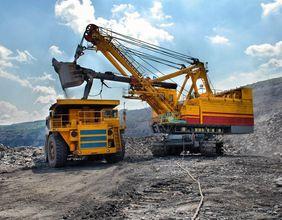
- The company maintains a fleet of heavy equipment supporting oilfield and construction sites.
Enterprise Group operates primarily in the construction and energy support sectors, focusing on providing specialty equipment rentals. The company’s operations span heavy machinery, oilfield site service infrastructure.
Enterprise Group (TSX:E) provides flameless heating units and a diverse rental fleet, allowing companies in the region to access essential equipment for site preparation, maintenance, and ongoing construction operations. The company has a strong presence in Western Canada, where demand for rental machinery closely follows construction and energy sector activity. This industry is shaped by fluctuating needs for construction services and equipment availability. Enterprise Group emphasizes maintaining a flexible and well-equipped fleet capable of supporting various project types simultaneously, which is vital for ensuring steady and efficient operational performance.
How Has Enterprise Group Traded Recently In Canada
Shares of Enterprise Group recently traded below its moving average, which is a noteworthy observation in technical trading patterns. The stock experienced lower trading levels, with a recorded shift in volume during daily market activity. Monitoring movements relative to moving averages can offer insight into overall market sentiment regarding a particular company, particularly for those engaged in equipment rental and energy support services. The stock’s recent trading behavior reflects market activity across similar construction and energy support firms, highlighting fluctuations in demand perception and operational stability. Trends in volume are often examined alongside price behavior to evaluate the balance between supply and demand within the stock market, as shares of companies with active operational footprints in heavy equipment tend to reflect sector activity.
Why Is Moving Average Crossing Significant For Stocks
The crossing below moving averages is often a key technical event observed in stock performance. This occurs when daily trading levels move beneath benchmark averages calculated over extended periods. For a company like Enterprise Group (TSX:E), which provides equipment rental and construction-related services, such a technical movement can be examined alongside operational reports and fleet activity. Technical crossings can indicate shifts in market engagement with stocks, reflecting collective trading behavior. While moving averages do not directly affect operations, they offer insight into the broader perception of stability and sector activity. Within the construction and energy support industries, trading patterns frequently align with regional project activity and equipment demand.
What Are Enterprise Group’s Operational Focus Areas
Enterprise Group maintains a strong emphasis on specialty equipment rental services within the energy and construction sectors. The company’s fleet includes trucks, heavy machinery, and other specialized units designed for site-specific requirements. Flameless heating units are part of the operational offering, particularly important for oilfield operations during colder months. Enterprise Group also provides infrastructure services essential for site development and maintenance, ensuring that oilfield and construction projects operate efficiently. The combination of equipment rental and site support positions the company to serve multiple sectors simultaneously. Operational decisions focus on maintaining fleet readiness and meeting the logistical demands of various project sites across Western Canada.
How Does Enterprise Group Maintain Equipment Readiness
Fleet management is a critical element in Enterprise Group’s operations. Heavy machinery and specialty equipment require consistent maintenance, periodic inspections, and logistical planning to remain available for client operations. The company’s operational team ensures that units are functional and deployed efficiently to meet the fluctuating demand of energy and construction projects. Operational readiness also involves scheduling maintenance cycles and prioritizing deployments based on project urgency. By managing these processes effectively, Enterprise Group can maintain reliability across its services. Equipment readiness directly supports site performance, enabling projects to proceed without unnecessary delays and interruptions. This operational discipline is crucial in sectors where downtime can significantly affect project timelines.
Which Financial Metrics Describe Enterprise Group Effectively
Enterprise Group (TSX:E) exhibits several financial ratios that indicate its operational structure and market engagement. The company’s debt-to-equity ratio, current ratio, and quick ratio are often evaluated to understand balance sheet health and liquidity. The metrics reflect the company’s ability to manage short-term obligations while maintaining operational activity across multiple sites. A higher quick ratio indicates sufficient short-term assets to cover immediate liabilities, which is critical in sectors requiring significant equipment deployment. Similarly, the debt-to-equity ratio shows the level of financing used to support operations. Evaluating these figures alongside market activity offers a snapshot of operational stability, especially for companies actively servicing the construction and energy sectors.
Why Does Volume Affect Share Movements In Canada
Volume in trading reflects the number of shares exchanged during a specific period. For Enterprise Group, recent trading saw an increase in volume as the stock moved below its moving average. Higher trading volume often indicates heightened interest in a stock, reflecting shifts in market engagement. While volume alone does not determine operational success, it can highlight broader market focus on companies within the equipment rental sector. The relationship between volume and price movement can be observed across stocks servicing construction and energy projects, where market perception may react to operational announcements, fleet expansions, or regional activity levels.
How Do Market Caps Indicate Company Scale
Enterprise Group maintains a market cap reflecting the size of its trading presence. Market capitalization, derived from share price and total outstanding shares, indicates the relative scale of a company in its sector. Companies within the construction and energy support industries vary in market cap based on fleet size, revenue generation, and regional activity. Enterprise Group’s positioning highlights its capacity to serve multiple projects and maintain operational reach across Western Canada. Comparing market caps within the sector can offer insight into competitive scale and resource availability, particularly in markets with fluctuating construction activity and energy project development.
Which Construction Benefit From Enterprise Group
Enterprise Group’s equipment rental services support a wide variety of construction and energy-related projects. Trucks, heavy machinery, and flameless heating units are utilized across site development, oilfield maintenance, and infrastructure projects. The versatility of the fleet allows enterprises to deploy equipment efficiently and maintain continuity in challenging environments. Projects that require specialized equipment benefit from Enterprise Group’s logistical planning and operational readiness. By servicing multiple project types simultaneously, the company ensures that sites maintain operational efficiency and productivity, particularly in regions with complex construction and energy support requirements.
How Does Enterprise Group Adapt To Regional Project Demands
The company adjusts fleet deployments based on seasonal and regional project activity. Winter operations in Western Canada often require flameless heating units and specialized machinery capable of operating under cold conditions. Summer months bring increased construction and infrastructure work, necessitating diverse equipment availability. Enterprise Group’s operational model emphasizes adaptability, ensuring that equipment is available where and when it is needed. This responsiveness is critical for maintaining service levels across the energy and construction sectors, where timing and equipment readiness can directly impact project schedules.
Why Are Technical Indicators Monitored
Technical indicators such as moving averages are frequently used to observe market trends. For Enterprise Group (TSX:E), the crossing below a benchmark average highlights changing trading behavior, which can reflect broader market engagement. These indicators offer insight into price momentum, helping market participants understand short-term fluctuations relative to historical trends. While technical indicators are not a measure of operational activity, they provide context for market sentiment and trading dynamics. Stocks in the equipment rental and construction services sector often show sensitivity to these patterns, particularly when operational news or project activity coincides with market attention.
Which Factors Influence Equipment Rental Demand In Canada
Equipment rental demand is influenced by regional construction projects, energy operations, and infrastructure development. Enterprise Group (TSX:E) benefits from fluctuations in project activity across Western Canada. Increased activity in oilfield services, road construction, or commercial development often drives demand for trucks, heavy machinery, and specialized units. Seasonal changes also affect equipment requirements, with certain months seeing higher utilization rates. The company’s operational planning aligns fleet availability with these demand cycles, ensuring that services remain accessible across multiple project sites. By managing equipment deployment efficiently, Enterprise Group supports uninterrupted project progress and operational efficiency.
