
 AUS
AUS
 NZ
NZ
 UK
UK
 CA
CA
 USA
USA
 IND
IND






Highlights
Global energy shock reshapes market direction
Rising costs ripple through multiple sectors
Volatility intensifies across equities
Global energy disruptions have driven oil higher, creating ripple effects across the Australian market as inflation, interest rates, and sector divergence shape ongoing volatility.
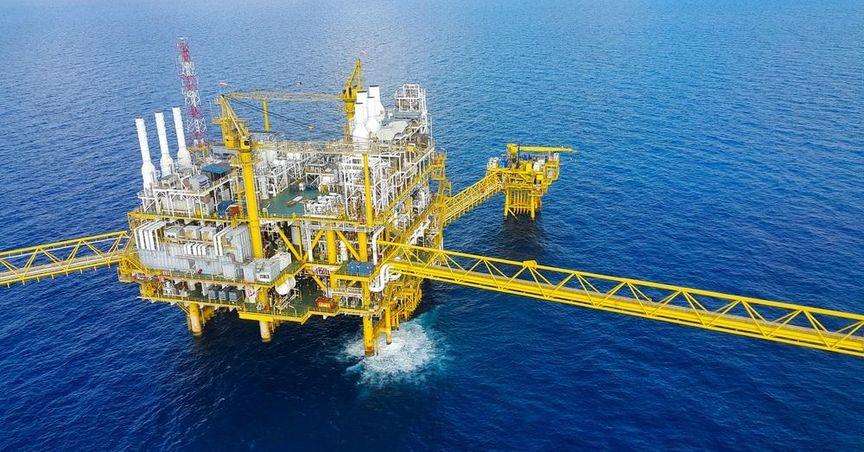
The short selling sector often reflects underlying market stress, particularly during geopolitical disruptions that shake global supply chains. In the latest turmoil, energy markets have surged while equities react sharply, placing pressure across the ASX 200 and broader ASX stock market. One example within Australia’s listed space is Woodside Energy Group Ltd (ASX:WDS), a major oil and gas producer that plays a significant role in the country’s energy exports and reflects global commodity movements. As tensions escalate in the Middle East, the interplay between rising oil prices and equity weakness has become a defining narrative, drawing attention to how interconnected global events can rapidly reshape local market sentiment.
Middle East Disruption Explained
The recent escalation in the Middle East has triggered widespread disruption across critical energy infrastructure. Key transport routes have slowed significantly, particularly through one of the world’s most vital oil corridors. This bottleneck has created uncertainty around supply continuity, prompting strong reactions across global commodity markets.
The situation has extended beyond shipping delays, with infrastructure damage affecting production capacity in key regions. These developments have intensified concerns about prolonged supply constraints, pushing oil prices higher and reinforcing volatility across financial markets.
Oil Market Reaction
Energy markets have responded swiftly to the unfolding situation. Oil benchmarks have surged as traders factor in the risk of reduced supply from a region that plays a central role in global energy distribution.
Despite efforts from international agencies to stabilise the market through emergency measures, the upward momentum has persisted. This reflects deeper concerns about the sustainability of supply chains and the potential for further escalation.
The reaction highlights how sensitive energy markets remain to geopolitical risk, particularly when disruptions occur in regions that underpin global production.
ASX Impact Overview
Australian equities have felt the impact almost immediately. Broad-based weakness has emerged across multiple sectors, reflecting the ripple effect of higher energy costs and heightened uncertainty.
While energy-linked companies have demonstrated relative resilience due to rising commodity prices, other sectors have struggled to maintain stability. This divergence underscores the uneven nature of market reactions during global shocks.
The movement also aligns with trends observed in the ASX 100 and ASX ordinaries stocks, where larger and more diversified companies tend to absorb shocks differently compared to smaller, growth-oriented names.
Inflation Pressure Builds
One of the most significant consequences of rising oil prices is the impact on inflation. Higher energy costs feed into transportation, manufacturing, and everyday expenses, creating a compounding effect across the economy.
This environment places additional pressure on monetary policy, as central banks balance the need to control inflation with the risk of slowing economic growth. The result is a complex landscape where multiple forces act simultaneously on financial markets.
For equities, this translates into a reassessment of valuations, particularly in sectors sensitive to interest rates and cost structures.
Sector Winners and Losers
Energy producers have emerged as relative outperformers amid the turmoil. Companies operating within oil and gas segments benefit directly from higher prices, which can support revenue expectations.
In contrast, sectors such as technology and materials have faced increased pressure. Rising costs and tighter financial conditions can weigh on growth expectations, leading to broader weakness.
Within the materials space, companies associated with ASX mining stocks are experiencing mixed sentiment. While commodity demand remains a key driver, input costs and global uncertainty are influencing outlooks.
Market Sentiment Shift
Sentiment across the market has shifted noticeably. Periods of stability have given way to heightened caution, with participants reacting to rapid changes in global conditions.
This shift is not limited to a single sector. Instead, it reflects a broader reassessment of risk, where external factors play a dominant role in shaping expectations.
The dynamic nature of sentiment highlights the importance of adaptability in understanding market behaviour during volatile periods.
Gold and Safe Havens
Traditionally, gold is viewed as a refuge during times of uncertainty. However, recent movements have challenged this assumption, with the metal experiencing unexpected weakness despite rising geopolitical tensions.
This divergence suggests that market dynamics are being influenced by a combination of factors, including currency movements and liquidity conditions. It also reinforces the idea that traditional relationships can shift under extreme circumstances.
Interest Rate Pressure
Domestic monetary policy has added another layer of complexity. With borrowing costs rising, financial conditions have tightened, impacting consumption and business activity.
Higher interest rates can reduce the appeal of growth-oriented sectors, particularly those reliant on future earnings. This creates additional pressure on equities already facing external challenges.
The combination of global and domestic factors has created a multifaceted environment where multiple forces interact simultaneously.
Compounding Market Forces
The current landscape is defined by the convergence of several powerful forces. Energy shocks, inflation concerns, and monetary tightening are all influencing market direction at the same time.
This convergence amplifies volatility, making it more difficult to isolate the impact of any single factor. Instead, markets are responding to a complex web of influences that evolve rapidly.
Understanding this interplay is essential for interpreting movements across the Australian market.
Income-Focused Segments
In periods of uncertainty, attention often shifts toward stability. Categories such as ASX dividend stocks can attract interest due to their focus on consistent returns.
However, even these segments are not immune to broader market pressures. Changes in economic conditions can influence performance across all areas, reinforcing the interconnected nature of the market.
Global Linkages
Australia’s equity market is deeply connected to global developments. Events in distant regions can have immediate and significant impacts on local conditions.
The current situation illustrates how quickly these linkages can translate into market movements. From energy prices to inflation expectations, global factors are shaping the domestic outlook in real time.
Volatility Outlook
Volatility is likely to remain a defining feature in the near term. Rapid changes in geopolitical conditions, combined with evolving economic data, create an environment where stability is difficult to sustain.
This does not imply a single directional outcome, but rather a landscape characterised by frequent shifts. Observing how different sectors respond can provide valuable insight into broader trends.
The recent surge in oil prices and the resulting market reaction highlight the intricate relationship between global events and local equities. From energy supply disruptions to inflation pressures, multiple forces are shaping the current environment. For those following the Australian market, the key takeaway lies in understanding how these elements interact, creating both challenges and opportunities across sectors. As conditions continue to evolve, clarity will depend on recognising the broader context rather than focusing on isolated movements.
