
 AUS
AUS
 NZ
NZ
 UK
UK
 CA
CA
 USA
USA
 IND
IND


_06_15_2026_08_31_29_563066.jpg)




Highlights
• Record iron ore shipments reinforce operational scale and logistics strength.
• Market focus shifts toward valuation metrics following production milestone.
• Materials sector participation remains central within the All Ordinaries benchmark.
Fortescue reports record iron ore shipments, drawing attention within the ASX 200 and All Ordinaries as valuation and sector positioning come into focus.
The materials and mining sector represents a foundational pillar of Australia’s listed equity market, encompassing iron ore, lithium, gold and diversified resource producers. These companies are represented across major benchmarks including the ASX 20, ASX 200. Within this framework, large-scale iron ore producers play a particularly significant role due to their export contribution and benchmark weighting.
Fortescue Ltd (ASX:FMG) operates as a major iron ore producer with extensive mining, rail and port infrastructure across Western Australia. The company recently reported record shipment volumes, reinforcing the scale of its integrated operations and the consistency of its supply chain performance. Operational milestones of this nature often draw market attention toward broader valuation considerations and financial positioning within the materials sector.
Iron ore production involves coordinated activity across mine development, ore processing, heavy haul rail transport and bulk export terminals. Shipment volumes reflect the culmination of this operational chain and serve as an important indicator of logistical execution and production alignment.
Within the asx all ords, Fortescue sits among diversified industrial, financial and healthcare names while maintaining its position as a central contributor to the materials allocation of the benchmark.
Australia’s iron ore exports remain closely linked to steel production demand in major economies, making shipment data an operational metric with broad economic relevance.
Operational Scale and Integrated Infrastructure
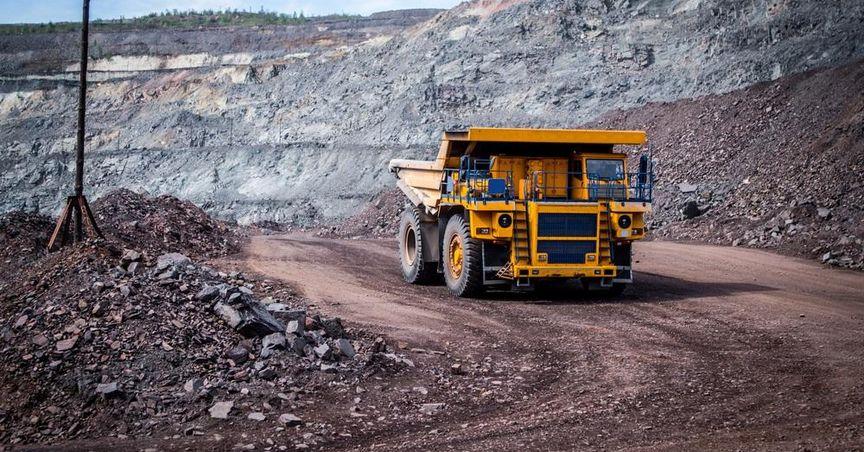
Fortescue’s mining operations are concentrated in the Pilbara region, where large-scale open-pit mines supply iron ore to an integrated logistics network. The company operates dedicated rail infrastructure that transports ore from mine sites to port facilities designed for high-capacity bulk export.
Record shipment performance reflects efficiency across extraction, processing and transport stages. Production continuity depends on equipment reliability, workforce coordination and infrastructure uptime.
The integrated mine-to-port model enables streamlined throughput management. Control over rail and port assets allows synchronisation between production schedules and export logistics, reducing reliance on third-party infrastructure.
Within the ASX 200, large-cap miners significantly influence overall benchmark movements due to their market capitalisation and trading volumes. As a major constituent, Fortescue’s operational updates can contribute to index sentiment during reporting periods.
Iron ore volumes are influenced by mine planning, grade management and processing optimisation. Effective blending strategies help maintain product specifications aligned with customer requirements.
The record shipment milestone underscores coordination across mining hubs and export facilities, reflecting sustained asset utilisation.
Valuation Considerations Following Operational Milestones
Following a significant operational update, market participants often review valuation metrics such as earnings multiples, free cash flow generation and balance sheet positioning. These metrics provide a framework for assessing a company’s financial standing relative to production scale.
Iron ore producers operate within commodity-driven revenue environments, where realised pricing is influenced by global supply and demand conditions. As a result, valuation discussions frequently incorporate commodity benchmarks and cost positioning.
Capital expenditure requirements in the mining sector include sustaining capital to maintain production capacity as well as development capital for expansion projects. These factors influence cash flow allocation.
Fortescue differs from entities typically grouped among ASX dividend stocks, although major mining companies often maintain structured distribution frameworks aligned with profitability cycles.
Market capitalisation movements within the asx all ords can reflect shifts in commodity pricing expectations and broader macroeconomic developments impacting resource demand. Valuation comparisons across iron ore producers may consider cost efficiency, production volume and infrastructure ownership models.
Materials Sector Weighting Within the All Ordinaries
The All Ordinaries index captures a wide range of listed companies across multiple industries, with materials forming a significant allocation. Iron ore producers represent a substantial portion of this weighting due to their export revenue scale and global market exposure.
Fortescue’s shipment performance contributes to visibility within the materials segment of the benchmark. Large-cap miners frequently influence index performance during periods of commodity market activity.
Commodity cycles play a central role in shaping trading patterns for resource stocks. Global industrial production, infrastructure spending and steel demand directly affect iron ore consumption.
Within the asx all ords, participation extends beyond large-cap miners to include mid-tier producers and early-stage explorers. This diversity reflects Australia’s broad resource base and project pipeline.
Sector rotation between materials and financial stocks often influences overall benchmark direction, particularly during reporting seasons or macroeconomic shifts.
The materials sector remains integral to Australia’s equity identity, given the country’s position as a leading exporter of bulk commodities.
Strategic Positioning and Industry Dynamics
Fortescue’s operational footprint in the Pilbara positions it among the world’s established iron ore exporters. Strategic positioning includes continued optimisation of mining operations and infrastructure efficiency.
Industry dynamics encompass cost management, production consistency and customer diversification across steelmaking markets. Infrastructure ownership enhances operational control and scheduling flexibility.
Sustainability initiatives have become increasingly integrated into mining company strategies. Renewable energy adoption, emissions management and environmental compliance frameworks are now part of long-term operational planning.
Iron ore demand remains closely linked to construction and infrastructure activity in major economies. Production planning within mining companies reflects broader industrial trends.
Participation within major indices enhances institutional visibility, particularly among exchange-traded funds tracking Australian equity benchmarks. Fortescue’s record shipments reinforce its operational capacity within the global iron ore trade and its prominence within the materials segment of the All Ordinaries.
