
 AUS
AUS
 NZ
NZ
 UK
UK
 CA
CA
 USA
USA
 IND
IND


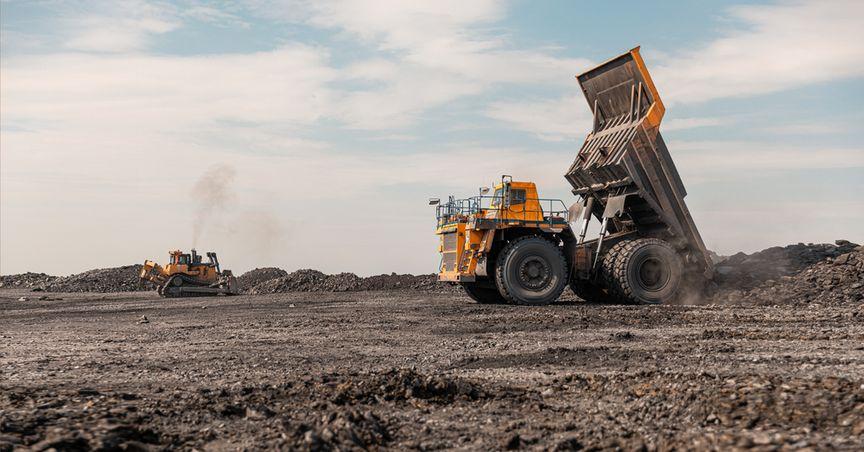





Rio Tinto, a prominent mining company listed on the Australian Securities Exchange (ASX:RIO), experienced a 4% decline in its share price during the month of August. Several factors contributed to this downturn, impacting the company's performance and investor sentiment.
- Weakness in Commodity Prices
One of the primary reasons for Rio Tinto's share price drop in August was the weakness in commodity prices. Rio Tinto is a major player in the global mining industry, primarily focused on iron ore, aluminum, copper, and other commodities. The ASX RIO's financial performance is closely tied to the prices of these raw materials. Any fluctuations or declines in commodity prices can significantly affect its profitability and share price.
During August, concerns about the global economic recovery and uncertainties surrounding trade tensions between major economies led to a decline in commodity prices. Iron ore prices, in particular, experienced downward pressure, impacting Rio Tinto's earnings outlook. Investors reacted to these market dynamics by selling off shares, contributing to the drop in the company's stock price.
- Regulatory and Environmental Challenges
Rio Tinto has faced regulatory and environmental challenges in various regions where it operates. These challenges can create uncertainty for investors and potentially impact the company's operations and profitability. In August, ongoing regulatory issues and environmental concerns related to some of Rio Tinto's projects may have contributed to the negative sentiment surrounding the stock.
- Global Economic Factors
Global economic factors, such as inflationary pressures and central bank policies, can influence investor behavior and impact the share prices of companies like Rio Tinto. Economic uncertainties and shifts in market sentiment can lead investors to reevaluate their portfolios and make adjustments. During August, concerns about inflation and the potential impact on interest rates may have influenced investor decisions, including their holdings in Rio Tinto.
- Market Volatility
Market volatility is a common factor that can lead to abrupt changes in share prices. Traders and investors may respond to short-term market trends and news, causing fluctuations in stock prices. While Rio Tinto's share price drop in August may have been influenced by broader market volatility, it's important to note that such fluctuations are not uncommon in the stock market.
- Company-Specific Factors
Apart from external factors, company-specific developments and news can also impact share prices. Any significant announcements related to Rio Tinto's financial performance, production updates, or strategic decisions can trigger market reactions. Investors closely monitor such information and may adjust their positions based on their assessment of the company's prospects.
In conclusion, Rio Tinto's share price drop of 4% in August can be attributed to a combination of factors, including weakness in commodity prices, regulatory challenges, global economic uncertainties, market volatility, and company-specific developments. It's essential for investors to consider both external and internal factors when analyzing the performance of a company's stock and making investment decisions in the dynamic world of mining and resources.
