
 AUS
AUS
 NZ
NZ
 UK
UK
 CA
CA
 USA
USA
 IND
IND






Highlights
Critical mineral stocks experience short-term sentiment-driven declines
Global trade easing sparks rotation in the resource sector
Long-term fundamentals in battery materials remain firm
Critical mineral stocks such as (ASX:NVX), (ASX:LKY), and (ASX:DTR) face a sentiment-driven pullback amid easing trade tensions, but the long-term demand outlook for decarbonisation remains strong.
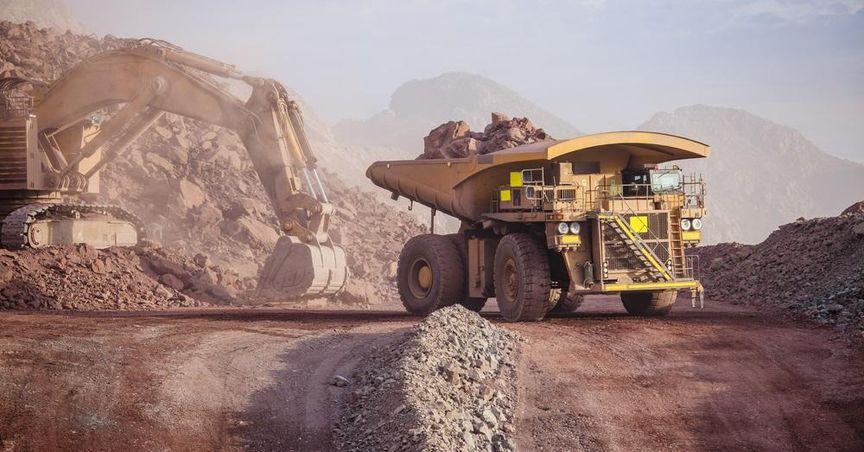
Critical mineral stocks on the ASX 200, including Novonix (ASX:NVX), have faced a notable pullback despite the sector’s long-term structural demand. These companies operate at the heart of the energy transition, supplying essential materials for electric vehicles, renewable energy storage, and high-performance manufacturing. The current dip appears to be driven by a broad market rotation within the ASX stock market, following recent global trade developments that have temporarily softened sentiment toward resource-linked sectors.
What Is Driving Weakness in Critical Mineral Stocks?
The recent softness across ASX mining stocks has been influenced by easing trade tensions between major global economies. A preliminary trade understanding between the United States and China has reduced short-term geopolitical risk but has also lessened the urgency around resource security. This shift has led to profit-taking among traders and fund managers after a period of strong momentum across battery metals and critical mineral names.
Novonix (ASX:NVX), a developer of advanced battery materials, has been at the forefront of this recalibration. Its exposure to global electrification and energy storage remains robust, yet investor focus has momentarily turned to near-term catalysts rather than long-term fundamentals.
Which Companies Are Adjusting to This Market Rotation?
Beyond Novonix, several resource companies such as Lockley Resources (ASX:LKY) and Dateline Resources (ASX:DTR) have also faced renewed attention amid the changing sentiment. Lockley Resources (ASX:LKY) explores and develops mineral assets that contribute to clean energy supply chains, while Dateline Resources (ASX:DTR) focuses on gold and critical mineral exploration with diversified projects across Australia and North America.
These companies represent different stages within the critical minerals ecosystem, where exploration progress, project development, and strategic partnerships influence investor perception. The rotation in capital flows reflects short-term market adjustments rather than a downturn in the sector’s underlying trajectory.
How Global Trade Developments Are Shaping Investor Mood
A pause in U.S.–China trade escalation has temporarily reduced speculative urgency in critical mineral markets. China’s decision to delay export controls on rare earths and magnets has reassured global manufacturers but simultaneously prompted a brief cooling of demand expectations among investors.
This environment has encouraged recalibration within ASX ordinaries stocks, particularly those tied to the supply of strategic minerals. The broader narrative remains one of resilience as global economies continue to prioritise clean energy and decarbonisation, driving future demand for these essential materials.
The current sentiment shift underscores how quickly momentum can change within resource-linked equities on the ASX 100. Despite the temporary weakness, the underlying investment thesis around electrification and renewable infrastructure remains solid. The pullback appears more like a consolidation period as the market digests recent policy developments and recalibrates expectations for growth across the energy transition supply chain.
