
 AUS
AUS
 NZ
NZ
 UK
UK
 CA
CA
 USA
USA
 IND
IND





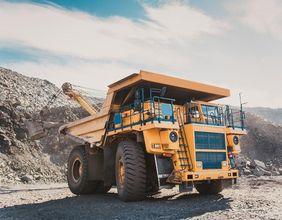


Highlights
Gold mining companies continue to shape activity across major ASX indices.
Northern Star remains a key participant within large-scale production operations.
Sector developments reflect ongoing operational activity across gold assets.
Northern Star’s operations highlight ongoing developments in the ASX gold sector, reflecting mining activity, exploration programs, and production frameworks across key assets.
The gold mining sector forms a significant part of Australia’s resource-driven economy, with companies often represented within indices such as the ASX 50 and ASX 100. Gold extraction, processing, and exploration activities continue to support the broader mining landscape, where established producers contribute to supply chains and industrial demand. These companies operate across multiple mining regions, reflecting the scale and integration of gold-focused operations within the Australian market.
Northern Star Resources (ASX:NST) operates as a major participant in the gold mining segment, with activities spanning multiple production hubs. The company’s operational framework includes mining, processing, and resource development across its asset base. Its presence within the sector reflects structured mining operations that align with broader industry practices and production systems.
Operational Structure and Gold Production Framework
Gold mining involves a coordinated system of exploration, extraction, and processing. Companies engaged in this sector typically operate multiple project sites, each contributing to overall production capacity. These operations require integration of workforce, equipment, and infrastructure to ensure efficient extraction of gold-bearing ore.
The mining process begins with exploration programs that identify resource zones through geological surveys and drilling activities. Once these zones are confirmed, extraction methods are implemented, including underground and surface mining techniques. Extracted material is then processed through crushing and treatment systems to separate gold from surrounding rock.
Large-scale mining operations also involve resource management strategies aimed at maintaining consistent production. These strategies include the identification of additional resource areas and the extension of existing mining zones. By integrating exploration with operational activities, companies maintain continuity across their mining assets.
The gold mining sector remains closely connected with broader indices such as the ASX All Ordinaries, where resource companies contribute significantly to overall market representation.
Industry Dynamics and Gold Market Positioning
Gold continues to hold a central position within global commodity markets due to its industrial and financial applications. Mining companies operating in this segment are influenced by operational efficiency, project development timelines, and resource availability. These factors collectively shape the dynamics of the gold sector.
The presence of large-scale producers within major ASX indices reflects the importance of gold mining within the national economy. These companies contribute to export activities and support regional development through mining operations. Their activities are distributed across multiple locations, enhancing diversification within the sector.
Sector activity is also influenced by global demand for gold, where industrial usage and financial applications play a role in shaping mining operations. Companies adapt their operational frameworks to align with these factors, ensuring continuity of extraction and processing activities.
Exploration and Resource Development Strategies
Exploration plays a vital role in sustaining gold mining operations by identifying new resource zones and extending the lifespan of existing assets. Exploration programs include geological mapping, geophysical surveys, and drilling activities designed to assess subsurface conditions.
Northern Star’s operational structure incorporates ongoing exploration initiatives aimed at expanding resource understanding across its project portfolio. These initiatives involve systematic data collection and interpretation, supporting the identification of additional mineralisation zones within existing operations.
Resource development strategies also include feasibility assessments and planning processes that evaluate the viability of extracting identified resources. These processes take into account geological, technical, and operational factors to ensure alignment with mining frameworks.
Gold mining companies also align with broader market categories such as ASX dividend stocks, reflecting established operational structures within the sector.
Infrastructure and Processing Capabilities in Gold Mining
Infrastructure forms a critical component of gold mining operations, supporting extraction, processing, and transportation activities. Processing facilities are equipped with specialised systems designed to handle gold-bearing ore through multiple stages, including crushing, grinding, and extraction.
These facilities operate as central hubs within mining operations, ensuring efficient processing of extracted material. The effectiveness of processing systems contributes to overall operational output and resource utilisation.
Transport infrastructure connects mining sites with processing facilities and distribution channels. This includes haul roads, logistical systems, and transport networks that facilitate movement of materials. Efficient logistics are essential for maintaining continuity in mining operations.
Environmental management practices are also integrated into infrastructure planning. Companies implement monitoring systems and mitigation measures to ensure compliance with regulatory frameworks. These practices form part of the broader operational structure within the mining sector.
Market Representation and Sector Integration Across ASX
The gold mining sector represents a substantial component of the Australian equity market, contributing to the composition of major indices. Companies engaged in gold production and exploration are included within benchmarks that track overall market activity.
The integration of gold mining companies within indices highlights their role in the economic structure. These companies contribute to sector diversification alongside other resource industries, including base metals and energy minerals. Their activities support industrial systems and supply chains across multiple regions.
Northern Star’s inclusion within key ASX indices reflects its role as a major participant in the gold mining segment. The company’s operations, along with those of other mining entities, contribute to the dynamic structure of the resource sector.
Developments within the gold mining segment continue to reflect the evolving landscape of the industry, where exploration, production, and infrastructure remain interconnected components shaping sector activity.
