
 AUS
AUS
 NZ
NZ
 UK
UK
 CA
CA
 USA
USA
 IND
IND







Highlights
Diverse business structure supports stability
Cash-focused strategy shapes long-term outcomes
Capital discipline underpins group performance
This article explains how Wesfarmers’ diversified operations, cash discipline, and balance sheet approach help readers understand how the group is assessed within the ASX stock market landscape.
The WES share price often draws attention within the Australian equities space, largely due to the scale and diversity of Wesfarmers Ltd (ASX:WES). Headquartered in Western Australia, the group operates as a broad-based conglomerate with interests spanning retail, industrial supplies, chemicals, and consumer services. This structure allows the company to balance performance across multiple economic cycles while maintaining relevance within the wider ASX stock market.
Wesfarmers is commonly viewed as a long-established participant in Australia’s corporate landscape. Its reputation has been shaped by disciplined capital allocation, long-term reinvestment strategies, and an ability to adapt business units as market conditions evolve. Rather than relying on a single revenue engine, the group spreads operational exposure across essential consumer and commercial segments.
The Power of Diversification in a Conglomerate Model
At its core, Wesfarmers operates a portfolio-style structure. Retail brands form a significant part of operations, complemented by industrial and safety-focused businesses. This mix provides balance, as consumer-facing units often perform differently from trade or industrial segments during economic shifts.
Such diversification is one reason Wesfarmers is frequently discussed alongside constituents of the ASX hundred, ASX two hundred, and ASX three hundred indices. Inclusion in these benchmarks reflects size, liquidity, and market relevance, all of which influence how institutions and long-term market participants view the group.
Retail Foundations and Household Recognition
Retail remains one of the most visible elements of the Wesfarmers portfolio. Well-known brands across home improvement, office supplies, department retail, and health services contribute steady operating cash flows. These businesses often benefit from brand familiarity and repeat customer engagement, creating resilience during periods of broader market uncertainty.
This retail exposure also positions Wesfarmers among discussions of ASX dividend stocks, as stable cash generation has historically supported regular shareholder distributions. While dividend outcomes can vary with business conditions, the underlying operating model remains focused on sustainability rather than short-term cycles.
Industrial and Safety Operations Add Balance
Beyond retail, Wesfarmers maintains operations in industrial supplies, chemicals, fertilisers, and safety equipment. These segments serve commercial and infrastructure-related demand, offering diversification away from purely consumer-driven spending patterns.
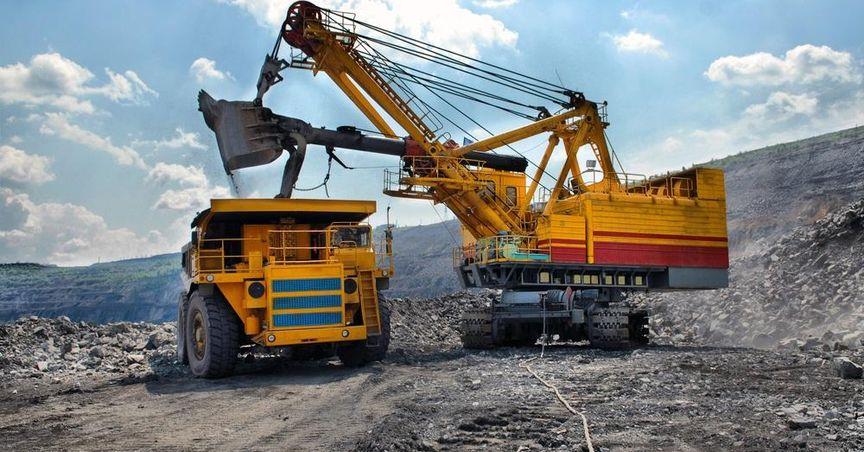
This balance is important when comparing Wesfarmers with sector-specific groups such as those found within ASX mining stocks. While mining businesses often experience earnings swings tied to commodity cycles, Wesfarmers’ exposure to everyday goods and essential services tends to smooth overall performance across varying market environments.
Understanding Revenue and Operating Momentum
When evaluating a company like Wesfarmers, revenue trends are often viewed as an indicator of operational scale and adaptability. Rather than focusing on a single reporting period, analysts typically observe how revenue evolves across multiple cycles.
For Wesfarmers, revenue growth has historically been supported by a combination of organic expansion, operational improvements, and selective portfolio changes. This approach reflects a long-term mindset, prioritising steady progress over rapid expansion that could strain resources.
Gross Margin as a Window Into Efficiency
Gross margin provides insight into how effectively a company manages its core operations before overheads are considered. For a diversified group, margin performance can vary across segments, influenced by supply chains, pricing power, and cost controls.
Wesfarmers’ ability to manage margins across both retail and industrial units highlights the benefits of scale and operational discipline. Efficient procurement, established supplier relationships, and ongoing investment in systems all contribute to maintaining competitiveness in crowded markets.
Profitability and Reinvestment Discipline
Profit generation is often regarded as a key measure of business health, but context matters. Wesfarmers has historically focused on reinvesting profits into existing operations, improving store networks, supply chains, and digital capabilities.
This reinvestment philosophy aligns with a long-term ownership mindset. Rather than extracting short-term gains, the group prioritises strengthening asset quality and operational resilience, which can support earnings consistency over extended periods.
Balance Sheet Strength and Capital Structure
Financial health extends beyond earnings alone. Observers often review balance sheet metrics to understand how a company manages obligations and liquidity. Wesfarmers’ capital structure reflects a considered approach to funding growth while maintaining flexibility.
Debt levels, when viewed alongside asset quality and cash generation, provide insight into risk management. For established conglomerates, measured use of leverage can support expansion while preserving financial stability, provided cash flows remain dependable.
Return on Equity as a Measure of Capital Use
Return on equity is commonly used to assess how effectively management deploys shareholder capital. For a diversified group, this metric reflects not only operating performance but also capital allocation decisions across business units.
Wesfarmers’ approach to capital deployment has traditionally emphasised disciplined reinvestment and portfolio optimisation. This has helped the group maintain relevance within major market indices and sustain long-term engagement from institutional participants.
Position Within Australia’s Equity Landscape
Wesfarmers’ size and diversification naturally place it among widely followed Australian equities. Its presence across major benchmarks such as the ASX hundred, ASX two hundred, and ASX three hundred underscores its influence on broader market movements.
For market observers, the company often serves as a reference point when assessing consumer trends, industrial demand, and overall economic sentiment within Australia.
Long-Term Perspective on Wesfarmers
Rather than being defined by short-term market fluctuations, Wesfarmers is often viewed through a long-term lens. Its history of adapting business units, refining operations, and maintaining financial discipline continues to shape how it is assessed within the Australian equity market.
This perspective highlights the importance of understanding business fundamentals, portfolio composition, and strategic direction when interpreting how large diversified groups are valued over time.
