
 AUS
AUS
 NZ
NZ
 UK
UK
 CA
CA
 USA
USA
 IND
IND







Highlights
- Mining fleet design finalised for Kasiya project
- Dry mining method confirmed after successful trials
- Phased equipment deployment to optimise efficiency
Sovereign Metals Ltd (ASX:SVM) has completed the design and selection of its mining fleet for the Kasiya Rutile-Graphite Project in Malawi, marking a significant milestone in its Definitive Feasibility Study (DFS). The project’s approach is based on large-scale dry mining, a method validated by extensive pilot trials in the previous year.
The mining strategy eliminates the need for drilling, blasting, crushing, or milling before processing. This supports operational safety, cost efficiency, and reduced environmental impact. While not part of the ASX 200, the company’s steady progress is drawing industry attention.
Fleet Design and Deployment Strategy
Primary and Support Equipment
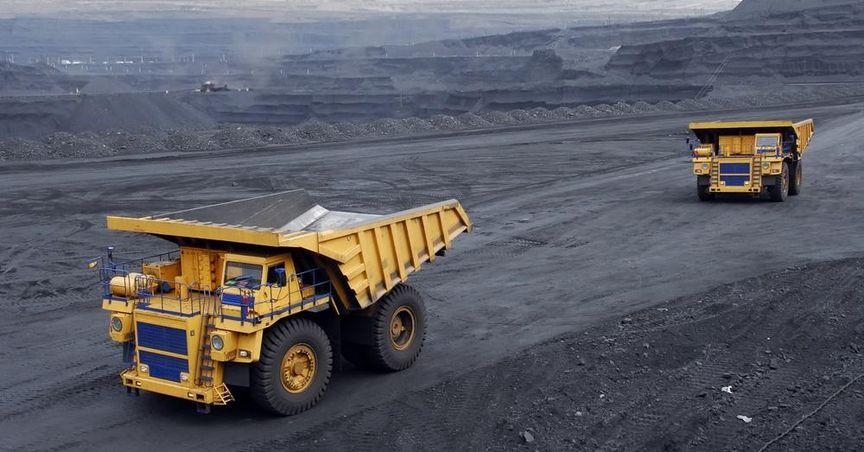
The planned fleet will operate across the initial decades of the mine’s life, with the first phase starting with a smaller unit count and gradually scaling up. The equipment mix includes draglines, excavators, mine trucks, loaders, dozers, and graders, supported by specialised vehicles for different operational needs.
Multiple global manufacturers have been selected to provide the machinery, enabling a competitive supply chain and ensuring parts availability over the long term. The dragline-based dry mining method offers extended reach, fewer relocations, and better material blending, contributing to consistent operations.
Sustainability and Operational Benefits
Dry mining was chosen for its ability to reduce energy use and environmental disturbance. The absence of explosive or intensive crushing stages minimises dust and vibration, improving site safety and surrounding community conditions. The phased introduction of equipment ensures that capital is allocated in line with project development stages, maintaining operational flexibility and cost control.
Next Steps in the DFS
The completion of fleet design allows the focus to shift towards other critical aspects of the DFS, including process plant optimisation, infrastructure planning, logistics, and environmental assessments. Previous achievements such as geotechnical studies, product testing, and securing a power supply agreement have positioned the project well for its upcoming development phases.
Frequently Asked Questions
- What is the Kasiya Project?
The Kasiya Project is a rutile and graphite mining development in Malawi, focusing on large-scale dry mining operations. - Why was dry mining selected for Kasiya?
Dry mining was chosen for its efficiency, lower environmental impact, and ability to handle soft, saprolite-hosted mineralisation without heavy processing steps. - What are the next milestones for the project?
The next milestones include advancing process plant design, completing environmental studies, and progressing infrastructure and logistics planning within the DFS.
