
 AUS
AUS
 NZ
NZ
 UK
UK
 CA
CA
 USA
USA
 IND
IND


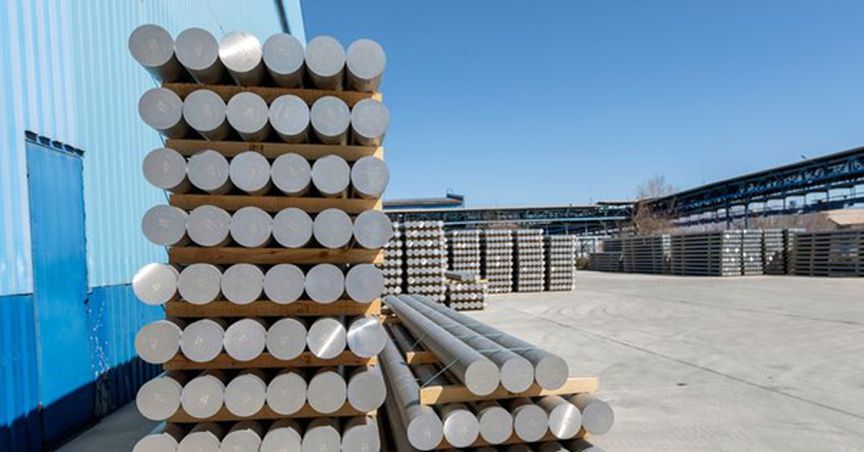





Rio Tinto Ltd.'s (ASX:RIO) recent venture into the world of recycled aluminum might seem like a small investment in contrast to its annual income, yet this strategic move holds immense significance for the mining giant's future.
The $700-million investment in Matalco Inc., a Brampton-based aluminum recycler, marks a crucial step for Rio Tinto towards diversifying its portfolio and embracing sustainable practices.
While the investment represents a fraction of Rio Tinto's revenue, it signifies a pivotal shift in the company's business strategy, setting the stage for sustainable growth.
Rio Tinto's Vision for Recycled Aluminum
- Insights from CEO Jakob Stausholm - CEO Jakob Stausholm emphasizes the significance of this move, emphasizing that Rio Tinto's expansion into recycled aluminum fills a significant gap in their product line. He highlights the growing importance of recycling in the industry's future trajectory.
- Shift towards Recycled Aluminum - Acknowledging the rising demand for recycled materials, Rio Tinto aims to be a part of this growth by embracing recycled aluminum alongside primary production, aligning with global trends steering away from fossil fuels.
Rising Demand for Recycled Minerals
As the world shifts away from fossil fuels, metals like aluminum, lithium, and copper are expected to witness a surge in demand. Aluminum finds applications in solar energy devices, while lithium powers electric vehicles.
Rio Tinto foresees a substantial surge of over 70% in the U.S. demand for recycled aluminum by 2032, driven by sectors like transportation, construction, and packaging.
Sustainability and Carbon Footprint Reduction
The utilization of recycled metal aids Rio Tinto in reducing its carbon footprint. While primary aluminum remains crucial, the efficiency of producing secondary aluminum contributes to sustainability goals.
CEO Stausholm advocates for a combined approach, acknowledging customers who prioritize recyclable materials while ensuring a balance between quality and sustainability.
Rio Tinto's Strategic Partnership with Matalco
Leveraging Expertise for Mutual Growth - Rio Tinto's partnership with Matalco is designed for mutual benefit. Matalco continues operations while Rio Tinto utilizes its expansive customer base for product marketing.
Utilizing Matalco's Facilities - By harnessing Matalco's recycling expertise, Rio Tinto expands its market presence in the recycling sector, a domain not considered its core competence.
Challenges and Risks in the Recycling Industry
Glencore PLC highlights the differing risks between mining and recycling operations, emphasizing the unpredictability associated with urban mining and waste collection.
The complexities involved in urban mining underscore the challenges of not owning the resource but tapping into a vast ecosystem of waste collection.
Urban Mining and Operational Dynamics
Urban mining involves extracting metals from electronic waste like laptops and cellphones, posing financial and logistical challenges.
While Glencore specializes in metallurgical transformation, the recycling process involves multiple steps, requiring partnerships for scrap collection and separation.
Rio Tinto's Strategic Positioning
From collection to metallurgical transformation, Rio Tinto plays a significant role, acknowledging partnerships as integral for various steps in the recycling process.
Partnerships enable Rio Tinto's operations, emphasizing the significance of collaborations for effective recycling processes.
Diverse Approaches in the Mining Industry
While Rio Tinto and Glencore have distinct approaches to recycling, Barrick Gold Corp. chooses to focus on other aspects due to market considerations.
Barrick's CEO Mark Bristow prioritizes other commodities and expresses caution concerning uncertain market demands for metals powering future technologies.
Future Prospects and Industry Insights
The recycling industry anticipates growth, particularly in lithium-ion battery recycling, amid the rise of manufacturing scrap from battery plants.
Forecasts suggest an abundance of scrap, especially from end-of-life electric vehicle batteries, shaping the industry landscape in the coming decade.
