
 AUS
AUS
 NZ
NZ
 UK
UK
 CA
CA
 USA
USA
 IND
IND


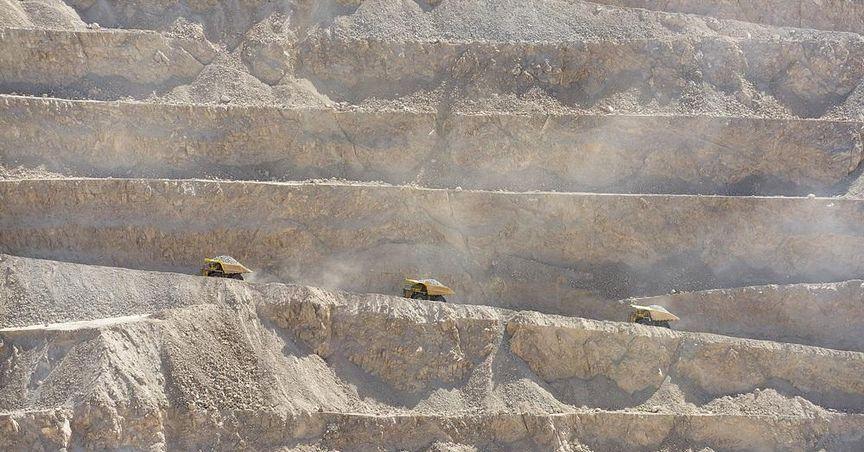



Rio Tinto Group(ASX: RIO) reported a modest rise in second-quarter iron ore shipments from Western Australia, even as demand from China, a significant consumer, showed signs of weakening. Despite this, the company's overall performance was bolstered by a substantial increase in copper production.
In a recent filing, Rio Tinto noted that the increase in iron ore exports, a crucial component for steel manufacturing, came amidst "muted" demand from China. The country's property market continues to struggle, affecting demand for steel. However, China's manufacturing sector has shown resilience, partially supporting the demand for iron ore.
Copper Production Soars
A standout in Rio Tinto's quarterly report was the notable rise in copper production. The company ramped up output at its Oyu Tolgoi mine in Mongolia, leading to a nearly 20% increase in copper production. Copper, a vital metal for the energy transition due to its use in electrical wiring and renewable energy technologies, saw total output reach 171,000 tonnes, an 18% increase from the previous year.
Iron Ore Market Dynamics and Future Projections
The price of iron ore has seen a decline of more than 20% this year, driven primarily by decreased demand from China's property market. Despite this, supportive policy measures from Beijing have somewhat mitigated the impact. Rio Tinto anticipates that iron ore prices will remain above US$100 per tonne this year but warns of a potential decline starting in 2025 due to a wave of new supply, including the company’s Simandou project in Guinea.
Rio Tinto's iron ore exports for the three months ending in June amounted to 80.3 million tonnes. The company has maintained its full-year guidance for its Pilbara operations, projecting between 323 million tonnes and 338 million tonnes with cash costs ranging from US$21.75 to US$23.50 per tonne.
Future Projects and Diversification Efforts
Rio Tinto is progressing with its Simandou project, having satisfied all regulatory conditions from both Guinean and Chinese authorities. The Simfer mine at this project is expected to commence production in 2025, reaching an annualized capacity of 60 million tonnes over a period of 30 months.
In addition to iron ore, Rio Tinto is making strides in diversifying its production portfolio. The company is on track to start production at its Rincon lithium project in Argentina and is advancing its battery metal mining projects in Canada and Serbia. These efforts align with the company’s strategy to support the global energy transition.
CEO's Vision and Future Outlook
"We are growing with discipline in the materials the world needs for the energy transition," said Jakob Stausholm, Rio Tinto's Chief Executive Officer. This strategic focus is evident as the company continues to develop its Western Range iron ore mine, which is 70% complete and expected to become operational next year. Additionally, Rio Tinto has five more iron ore projects in the Pilbara region, aimed at supporting its aging portfolio.
Aluminum and Broader Production Metrics
While iron ore remains a significant revenue driver, generating around 60% of the company’s revenue, Rio Tinto is also seeing growth in other areas. Aluminum production saw a slight increase of 1%, reaching 824,000 tonnes. This diversification is part of Rio Tinto's broader strategy to ensure long-term sustainability and resilience in a fluctuating market.
