
 AUS
AUS
 NZ
NZ
 UK
UK
 CA
CA
 USA
USA
 IND
IND



Highlights
Global mining firm with diversified commodity exposure
Revenue and profit trendlines reflect recent industry dynamics
Iron ore remains central to the company’s performance
Rio Tinto (ASX:RIO), one of the largest global mining companies and a key constituent of the Top ASX 100, has long maintained a prominent place in the resource sector. With operations spanning continents and a diversified portfolio of metals and minerals, the company plays a critical role in supplying raw materials essential for industrial economies.
A Deep Dive into Rio Tinto's Business Segments
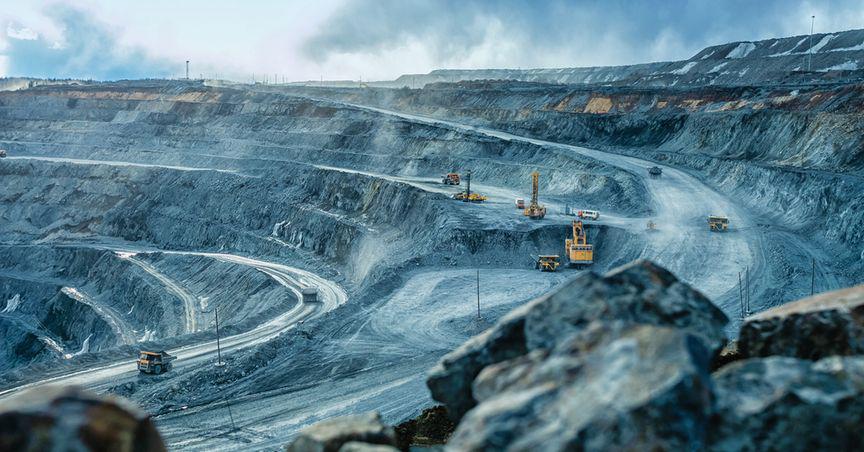
Established in the 19th century, Rio Tinto has developed a broad asset base across four primary segments: Aluminium, Copper & Diamonds, Energy & Minerals, and Iron Ore. Among these, iron ore forms the cornerstone of the company’s exports. Given the heavy reliance of global infrastructure and construction on steel, fluctuations in the iron ore market directly influence the company’s earnings trajectory.
The iron ore segment, particularly tied to operations in Western Australia, remains a significant contributor to Rio Tinto’s performance. As a major player in this space, any shift in iron ore pricing, demand from major economies, or logistical efficiency can impact overall results.
Evaluating Financial Metrics That Matter
Understanding key financial metrics can provide better clarity on Rio Tinto’s underlying performance. Revenue trends, gross margins, and net profits are critical indicators that shed light on operational strength and cost efficiency.
Over the past few years, Rio Tinto’s revenue movement has reflected broader commodity cycles. While the numbers indicate some contraction, the focus remains on how consistently these figures evolve over time. The company's gross margin offers insight into the health of its core operations, acting as a signal of pricing power and production efficiency.
Profit figures tell another part of the story. Though current earnings are lower compared to previous highs, this change aligns with recent commodity market volatility. External factors such as regulatory shifts, demand cycles, and input costs often influence these metrics, and the long-term direction is what tends to shape sentiment around performance.
Where RIO Stands on the Broader Index
Rio Tinto (RIO) is a constituent of the top ASX 100, a reflection of its scale and market relevance. This placement underscores the company's significance in the Australian financial landscape and affirms its role among major corporates influencing the index.
As a seasoned participant in global mining, Rio Tinto continues to navigate evolving demand, sustainability goals, and cost structures while remaining focused on its core operational strengths.
