
 AUS
AUS
 NZ
NZ
 UK
UK
 CA
CA
 USA
USA
 IND
IND


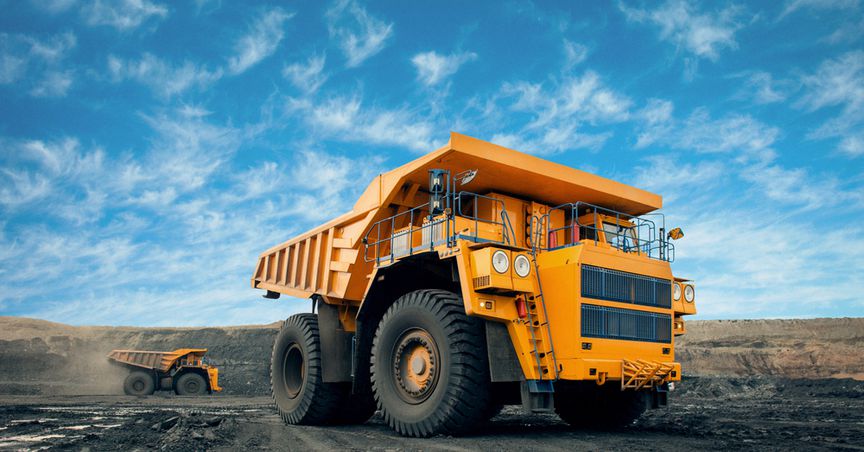





The share price of Rio Tinto Ltd (ASX: RIO) faced downward pressure on Wednesday, registering a 0.19% decrease to AU$128.45 apiece. This decline followed the release of the mining giant's first-quarter production update.
For the quarter ending on March 31, Rio Tinto reported a somewhat disappointing performance across all commodities compared to the previous quarter.
Iron ore production experienced an 11% decrease quarter on quarter, totaling 77.9 million metric tons (Mt). This decline was attributed to planned ore depletion, primarily at the Yandicoogina site, albeit partially offset by productivity improvements across other operations. Consequently, iron ore shipments also decreased by 10% to 78Mt during the same period.
Approximately 10% of Pilbara iron ore sales in the first quarter were priced based on the prior quarter's average index lagged by one month, while the remainder was sold using various pricing mechanisms. The average iron ore price throughout the quarter stood at US$123 per dry metric tonne.
Copper production faced a 3% decline compared to the previous quarter, totaling 156 thousand metric tons (k). This drop was largely driven by reduced Kennecott mined copper production, which was 32% lower than the previous quarter due to unplanned conveyor downtime. However, the affected conveyor has since resumed full operation.
Furthermore, Rio Tinto reported a 2% decrease in aluminium production to 826 thousand metric tons (kt) and an 11% decrease in bauxite production to 13.4Mt during the quarter.
In terms of market expectations, Rio Tinto fell short of anticipated iron ore shipments and copper production, narrowly surpassing aluminium production forecasts.
Rio Tinto's Chief Executive, Jakob Stausholm, expressed satisfaction with the quarter's performance and reaffirmed all FY 2024 guidance. He emphasised the stability of operating results, including improvements in the bauxite and aluminium sectors, amidst seasonal challenges across global operations. Stausholm also highlighted the company's commitment to decarbonising operations, with initiatives such as signing power purchase agreements for renewable energy solutions and collaborating on steel decarbonisation projects.
Despite the challenges faced in the first quarter, Rio Tinto remains focused on its long-term strategy, aiming for operational excellence, profitable growth, and delivering attractive returns to shareholders.
