
 AUS
AUS
 NZ
NZ
 UK
UK
 CA
CA
 USA
USA
 IND
IND





Highlights
- Metro Mining increases shipments from its Bauxite Hills Mine
- Company continues to focus on operational improvements
- Bauxite demand grows across the Asia-Pacific region
The Rising Importance of Australia’s Short Selling and Mining Landscape
Australia’s ASX stock market continues to reflect the evolving strengths and challenges of resource-focused companies. Within this setting, short selling data often provides useful insights into investor sentiment across sectors. For instance, resource-based players such as Metro Mining (ASX:MMI) frequently draw attention for their role in the nation’s mining economy. While Metro Mining is not part of the ASX 200, its operational developments in Queensland underline the importance of mid-cap miners that form the backbone of Australia’s resource industry.
Metro Mining’s ongoing expansion at the Bauxite Hills Mine demonstrates how strategic improvements in shipping and production can help companies meet growing international demand. As global interest in commodities strengthens, particularly in aluminium-related products, companies like Metro are shaping Australia’s competitive advantage in the Asia-Pacific.
What is Metro Mining and Why Does It Matter?
Metro Mining is a Brisbane-based Australian mining and exploration company that operates the Bauxite Hills Mine in Far North Queensland. The mine is positioned on the western coast of Cape York Peninsula, strategically close to Asian export markets.
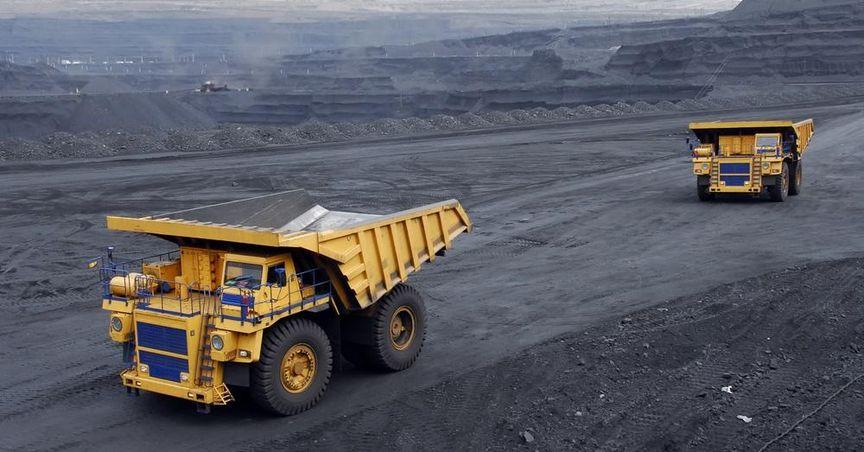
The Bauxite Hills Mine is a large-scale operation that has been steadily growing since its commencement. Covering hundreds of square kilometres, it holds extensive bauxite reserves that make it a central contributor to the supply chain for alumina and aluminium production across the Asia-Pacific.
The significance of Metro Mining extends beyond its operational output. Its role in ensuring consistent, high-volume shipments from Australia to international markets demonstrates the value of ASX mining stocks in strengthening trade links and securing global supply chains.
How Has Metro Mining Strengthened Its Operations?
Metro Mining has consistently invested in improving its material handling capabilities and shipping processes. The company’s Barge Loading Facility has recorded higher throughput rates, allowing larger volumes of ore to be moved efficiently despite operational challenges such as weather-related interruptions.
By focusing on infrastructure improvements, Metro Mining has been able to achieve record shipment levels from its Bauxite Hills operations. These enhancements not only increase operational resilience but also ensure that the company remains competitive within the broader ASX ordinaries stocks landscape.
The company’s progress has been steady, with a clear trajectory toward meeting annual shipment targets. This trajectory is supported by an expanding resource base and a well-established operational framework.
What Are the Global Drivers for Bauxite Demand?
Bauxite is the primary ore used in the production of alumina, which is further refined into aluminium. Aluminium plays a crucial role across industries such as transportation, construction, packaging, and renewable energy infrastructure.
The Asia-Pacific region, particularly countries with large-scale manufacturing hubs, continues to drive demand for bauxite imports. Metro Mining, by virtue of its geographic proximity and logistical strengths, is well-positioned to meet this demand.
The growing emphasis on lightweight, durable, and recyclable materials in modern industries further underscores the importance of bauxite as a key commodity. This makes Metro Mining’s ongoing shipment growth highly relevant for both domestic and international markets.
Which Companies Are Part of the Broader ASX Mining Network?
While Metro Mining (ASX:MMI) operates outside the ASX 200, it shares the stage with larger mining entities within the Australian landscape. Major mining groups often dominate discussions within the ASX 100, but mid-tier companies like Metro Mining contribute significantly to export diversity and resource development.
This tier of mining companies often operates niche projects or specializes in specific commodities, making them vital to the overall mining supply chain. Their operational growth reflects the robustness of ASX mining stocks and their ability to respond to global commodity trends.
How Does Metro Mining Compare with Other ASX Mining Players?
Metro Mining’s operational focus on bauxite distinguishes it from other miners involved in iron ore, gold, or energy resources. This specialization allows it to concentrate resources and expertise in developing efficient mining and shipping systems for a single commodity.
In comparison, larger diversified miners within the ASX 100 often manage multi-commodity portfolios. Metro’s streamlined model demonstrates the advantages of targeted operational strategies, particularly in markets where demand for specific minerals is surging.
What Challenges Has Metro Mining Faced?
Like most resource companies, Metro Mining has encountered operational challenges related to external factors. Unfavourable weather conditions in Queensland can occasionally disrupt shipping schedules. Additionally, fluctuations in commodity markets can influence revenue streams and shipment planning.
However, the company’s consistent improvements in infrastructure and operational efficiency have helped mitigate such risks. Its ability to maintain and grow output despite these challenges demonstrates operational resilience, a key attribute within the ASX ordinaries stocks category.
Why Does Bauxite Hills Stand Out in Australia’s Mining Map?
The Bauxite Hills Mine is one of the largest independent bauxite operations in Australia. Its expansive reserves and resources ensure that it remains a long-life project with the capacity to supply global markets for decades.
Strategically located near Weipa, the mine benefits from accessible transport routes and proximity to export facilities. These logistical advantages strengthen Metro Mining’s ability to meet growing export commitments while keeping operational costs competitive.
The mine’s importance extends beyond output—it also contributes to regional development, providing employment opportunities and supporting local infrastructure in Far North Queensland.
What Role Does Metro Mining Play in the Broader ASX Ecosystem?
Metro Mining, though not within the ASX 200, plays an important role in shaping Australia’s mining narrative. Its steady shipment growth showcases the impact of mid-cap miners that often operate outside the spotlight of major indices.
For investors and observers, such companies highlight the depth of the ASX mining stocks sector. They also show how resource specialization can deliver sustained growth and international trade benefits.
Are Dividend Opportunities Emerging in Mining Stocks?
Resource companies within Australia often attract attention not only for their operational performance but also for their income-generating potential. While dividend distribution depends on profitability and strategic decisions, the mining sector remains a strong contributor to ASX dividend stocks.
Companies such as Metro Mining (ASX:MMI), by achieving consistent shipment levels and profitability, may further solidify their role in the dividend landscape. This adds another dimension to their significance within the Australian resource sector.
Looking Ahead: What is the Future for Metro Mining?
Metro Mining’s focus remains on meeting and expanding its shipment targets while continuing to optimize operational processes. Its strong positioning in the Asia-Pacific bauxite trade suggests continued growth opportunities.
As global demand for aluminium intensifies, the company’s role as a dedicated bauxite supplier will likely strengthen further. Infrastructure improvements, resource expansion, and market resilience will all play key roles in shaping its long-term outlook.
By maintaining a balance between operational efficiency and market responsiveness, Metro Mining positions itself as a company that represents the strength of mid-cap ASX mining stocks.
Final Thoughts
Metro Mining’s steady shipment growth and operational improvements highlight the importance of Australia’s mid-tier mining companies in driving the nation’s export economy. The Bauxite Hills Mine is not just a regional project; it is a significant contributor to global bauxite supply chains.
While the company is not currently within the ASX 200, its presence in the broader ASX stock market and role within the ASX ordinaries stocks ecosystem underscores its importance. By leveraging its strategic advantages, Metro Mining is set to remain a vital player in meeting the world’s growing demand for aluminium.
