
 AUS
AUS
 NZ
NZ
 UK
UK
 CA
CA
 USA
USA
 IND
IND







Highlights
- Lynas Rare Earths experiences reduced production amid low rare earth prices.
- Global market shifts impact revenue, with China increasing production quotas.
- Lynas maintains strategic focus despite short-term challenges in the rare earths sector.
Lynas Rare Earths (ASX:LYC), a significant player in rare earth production outside China, is contending with lowered production and revenue due to softened demand, particularly in the electric vehicle sector. The West Australian-based company recently reported a quarterly revenue of $120.5 million, a decline from $128.1 million in the same period last year. Production levels fell by 25%, with Lynas producing 2,722 tonnes of rare earth materials, as prices saw a dip of nearly 10%.
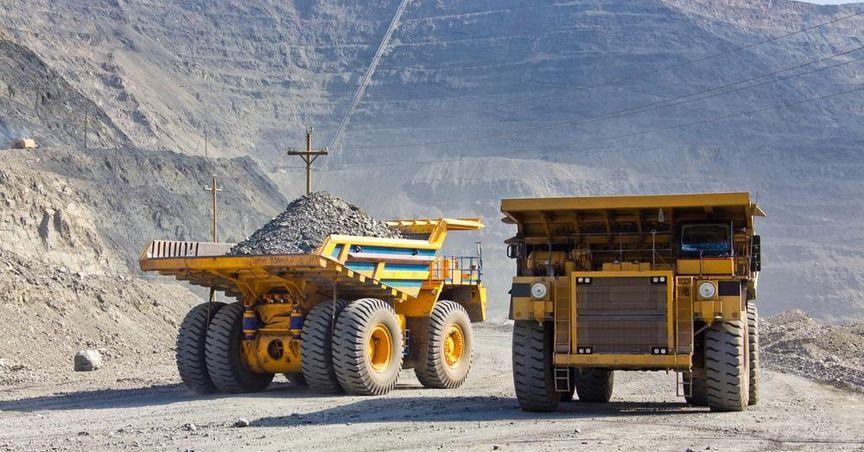
Rare earth elements, essential for high-tech applications including electric vehicles, wind turbines, and military technology, have seen price pressure amid a shift in demand patterns. The global rare earth market, heavily influenced by China, faces challenges as China continues to expand its production quotas, coupled with a temporary slowdown in electric vehicle sales, both contributing to price declines. This economic environment has affected various producers, including Lynas, which operates its mining activities at Mt Weld, Western Australia, and processes materials in Malaysia.
Lynas CEO Amanda Lacaze commented on the ongoing low price environment, noting a modest uptick in prices toward the end of the period but acknowledging that rare earth prices remain cyclically volatile. According to Lacaze, the company has adapted its approach, prioritizing strategic supply management over market saturation to better align with current demand levels. She highlighted Lynas’ role in supplying essential materials for infrastructure, particularly in products like air conditioning systems and elevators, emphasizing their importance despite current price challenges.
In response to geopolitical dynamics, Lynas has faced heightened competition and regulatory scrutiny. China’s recent decision to restrict exports of rare earth extraction and processing technology further underscores its market control, which has added complexity for global producers. The Australian government has intervened in key domestic projects, barring Chinese investments in some rare earth companies and allocating over $2 billion to projects free from Chinese ownership.
Furthermore, Lynas is actively working on securing alternative sources of sulphuric acid, essential for its processing operations, after BHP’s decision to suspend its Australian nickel business. The sulphuric acid, a byproduct of nickel smelting, was previously sourced through a contract with BHP’s Kalgoorlie smelter.
Despite market challenges, Lynas Rare Earths’ stock price has risen 10% over the past year, reflecting the company’s resilience and strategic adjustments in a fluctuating market. Shares remained steady at $7.74 on Wednesday, even as Lynas stands as one of the most shorted stocks on the Australian Securities Exchange.
