
 AUS
AUS
 NZ
NZ
 UK
UK
 CA
CA
 USA
USA
 IND
IND


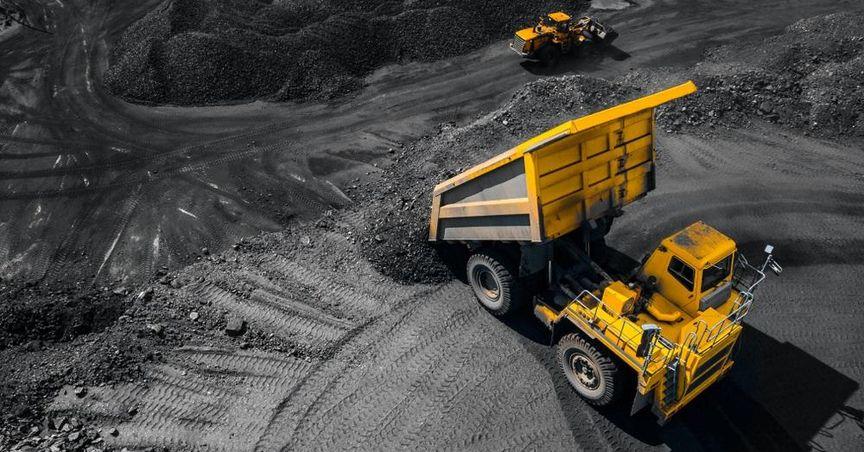



BHP Group Ltd (ASX: BHP) shares are making a solid move in morning trade, climbing 1.5% to reach $45.79. Over the last two trading sessions, this marks a 3% increase for the Big Australian's shares. But what's behind this sudden surge in BHP's stock price?
The Potash Investment
Investors are showing a keen interest in BHP's shares following the company's substantial bet on potash. BHP, a notable player in ASX mining stocks, recently received board approval for a massive investment in the Jansen potash project in Saskatchewan, Canada. This decision greenlit a staggering US$4.9 billion (A$7.7 billion) commitment for stage two of the project.
This hefty investment comes on top of the previous approval for a US$5.7 billion (A$9 billion) expenditure on stage one and the pre-Jansen Stage 1 investment of US$4.5 billion (A$7.1 billion). In total, BHP is funneling a massive US$15.1 billion (A$23.8 billion) into the potash industry.
Understanding Potash
While it may not sound as exciting as lithium or rare earths, potash plays a crucial role in the decarbonization of our planet. BHP is placing its focus on potash due to its significance in ensuring food security and promoting sustainable farming, which is essential as global populations continue to grow.
BHP's perspective is clear: potash is a key player in commodities that align with the global megatrends of population growth, urbanization, rising living standards, and decarbonization. The mineral, primarily used in fertilizers, is crucial for food security and the development of more sustainable farming practices.
Furthermore, BHP emphasizes that potash aligns with global demographic, social, and environmental megatrends, and its environmental footprint is notably more attractive than other major chemical fertilizers.
The Growth Potential
During the company's annual general meeting in Adelaide, BHP CEO Mike Henry shared insights into the company's vision, stating that they have an exciting growth path ahead in the Canadian potash market. Potash's role in fertilizers will be essential for food security and sustainable farming practices, especially as the global population continues to grow.
While potash's substantial contribution to BHP's earnings is still on the horizon, it's a waiting game. Currently, Jansen Stage 1 is 32% complete and on schedule. The first production from stage 1 is anticipated to be delivered in late calendar year 2026.
The construction of Jansen Stage 2 is expected to take approximately six years, with the first production forecasted for FY 2029, followed by a three-year ramp-up period.
Despite the wait, the potential rewards are significant. Analysts at Citi estimate that stage 1 and stage 2 will contribute approximately US$2.4 billion (A$3.74 billion) of EBITDA at steady-state production. This accounts for around 9% of group earnings based on the broker's EBITDA estimate for FY 2024.
BHP's shares have seen an impressive increase of nearly 17% over the last 12 months, thanks in part to its strategic investments in the potash industry.
