
 AUS
AUS
 NZ
NZ
 UK
UK
 CA
CA
 USA
USA
 IND
IND




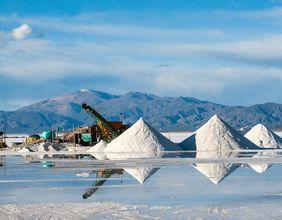



Highlights
Bellevue Gold reports strong cash flow performance within gold operations.
Mining sector reflects ongoing production and operational efficiency.
Resource companies align output with broader market participation.
Bellevue Gold reflects strong operational activity with notable cash flow generation, highlighting production efficiency and integration within Australia’s gold mining sector.
The mining and gold production sector remains a key pillar within Australian equity markets, contributing significantly to indices such as the ASX 200. This sector includes companies engaged in exploration, development, and production of precious metals, supporting global supply chains and financial market activity. Gold producers play a central role in commodity markets due to the metal’s industrial, financial, and store-of-value applications.
Within this framework, operational efficiency and cash flow generation are important indicators of production activity and project performance. Mining companies focus on refining extraction processes, managing costs, and optimising output to support sustainable operations across varying market conditions.
Bellevue Gold Limited (ASX:BGL) operates within this environment, focusing on gold production and resource development. The company’s recent update reflects notable operational activity, highlighting cash flow generation linked to its mining and processing framework.
Cash Flow Generation and Mining Operations
Cash flow within mining operations reflects the difference between revenue generated from production and the costs associated with extraction, processing, and administration. Strong cash flow performance is often associated with efficient operations, stable production levels, and effective cost management.
At Bellevue Gold, cash flow generation is supported by the integration of mining and processing activities. These operations involve extracting ore, transporting material, and processing it to produce refined gold. Each stage contributes to overall operational output and financial performance.
Mining operations require coordination between underground or open-pit extraction methods and processing facilities. This coordination ensures that material is efficiently transferred through each stage of production, supporting consistent output levels.
Processing activities involve crushing, grinding, and refining ore to separate gold from other materials. These processes are influenced by ore characteristics, equipment performance, and operational planning, all of which contribute to final output.
The relationship between production efficiency and cost management plays a central role in cash flow outcomes, reflecting how effectively resources are utilised within the operation.
Production Framework and Resource Development
Gold production is structured around a comprehensive framework that includes exploration, development, extraction, and processing. Each stage contributes to the lifecycle of a mining project and supports ongoing operational activity.
Exploration activities focus on identifying mineral deposits through geological surveys and drilling programs. These activities provide the foundation for resource development and guide future operational decisions.
Development stages involve establishing infrastructure, including access points, processing plants, and transport systems. These elements are essential for transitioning from exploration to active production.
Extraction processes involve removing ore from the ground using established mining techniques. This material is then transported to processing facilities, where it undergoes refinement to produce gold.
Bellevue Gold’s operations reflect this structured framework, contributing to the broader gold production landscape. The integration of exploration and production activities supports ongoing project development and operational continuity.
Market Integration and Commodity Sector Participation
Gold producers are integrated into the broader equity market, contributing to indices such as asx all ords. Their inclusion highlights the importance of commodity companies within the overall market structure and their role in supporting economic activity.
Mining companies operate alongside sectors such as banking, healthcare, and technology, contributing to a diversified market environment. This interaction supports the functionality of the equity market and enhances its depth.
Gold, as a commodity, is linked to both industrial applications and financial markets, reinforcing its relevance across multiple sectors. Companies involved in gold production contribute to supply chains that extend across global markets.
In addition to resource-focused companies, the market includes categories such as ASX dividend stocks, reflecting diverse investment frameworks. This diversity highlights the range of operational models present within the market.
Market participation within the gold sector is influenced by production levels, operational efficiency, and broader economic conditions, all of which shape how companies engage with the market.
Sector Dynamics and Operational Considerations
The gold mining sector operates within a dynamic environment influenced by global demand, technological advancements, and regulatory requirements. Companies must adapt to these factors while maintaining operational efficiency and compliance.
Technological developments in mining and processing contribute to improved efficiency and resource utilisation. These advancements support the evolution of production methods and enhance operational performance.
Regulatory frameworks ensure that mining activities adhere to environmental and safety standards. Compliance with these frameworks supports sustainable resource development and maintains the integrity of operations.
Infrastructure plays a critical role in supporting mining activities, including transport systems, energy supply, and processing facilities. These components enable efficient movement and processing of materials.
Economic conditions also influence the sector, shaping demand for gold and affecting operational strategies. Companies align their activities with these conditions to maintain stability and continuity.
The interaction between production efficiency, cash flow generation, and market participation continues to define the gold sector, highlighting its role within the broader equity market.
