
 AUS
AUS
 NZ
NZ
 UK
UK
 CA
CA
 USA
USA
 IND
IND



_10_04_2024_16_38_50_427275.jpg)

Highlights
- Rio Tinto’s dividend profile continues drawing attention among income-focused market participants.
- Commodity cycles and iron ore demand remain major influences on mining-sector dividend sustainability.
- Fully franked dividends continue shaping discussions around long-term passive income strategies.
Rio Tinto continues attracting attention among income-focused market participants as commodity cycles, franked dividends, and mining-sector volatility shape passive income discussions across Australia’s equity market.
The Australian stock market continues witnessing strong interest in dividend-paying mining companies as global commodity demand, energy transition themes, and income-focused strategies remain central to portfolio discussions. Among the major names attracting attention is Rio Tinto (ASX:RIO), one of the world’s largest diversified mining companies with operations spanning iron ore, copper, aluminium, and critical minerals. As investors increasingly explore long-term income opportunities within the ASX 100, conversations around how many Rio Tinto shares may be required to generate meaningful passive income have gained renewed momentum.
Why dividend yield is never static
One of the biggest misconceptions surrounding passive income investing is the assumption that dividend yields remain stable over time. In reality, dividend yields move constantly due to shifting earnings conditions, commodity prices, currency fluctuations, and broader market sentiment.
For mining companies like Rio Tinto, dividends are heavily influenced by global commodity cycles. Iron ore pricing, copper demand, shipping conditions, and international economic activity all shape profitability and cash flow generation.
This means income expectations linked to mining stocks can vary significantly depending on market conditions. A strong commodity environment may support higher payouts, while softer demand cycles can place pressure on distributions.
Within the broader ASX Metal & Mining Stocks sector, dividend variability remains one of the defining characteristics investors continue monitoring closely.
Rio Tinto’s dividend structure explained
Rio Tinto traditionally distributes dividends through interim and final payments across the financial year. The company’s dividend framework has historically reflected profitability, free cash flow generation, and broader capital allocation priorities.
One of the key attractions surrounding Rio Tinto’s dividend profile is its fully franked status. Franking credits remain highly relevant within Australia’s tax framework, particularly for income-focused portfolios and self-managed superannuation strategies.
Fully franked dividends effectively allow eligible Australian shareholders to receive credit for tax already paid at the corporate level. This can improve the overall after-tax income outcome depending on individual circumstances.
The mining giant continues standing out within the broader ASX Dividend Stocks category because of its combination of global scale, commodity exposure, and long-standing dividend history.
Why mining dividends can fluctuate sharply
Unlike banks, utilities, or infrastructure operators that often benefit from relatively stable cash flows, mining companies remain closely tied to global commodity pricing cycles.
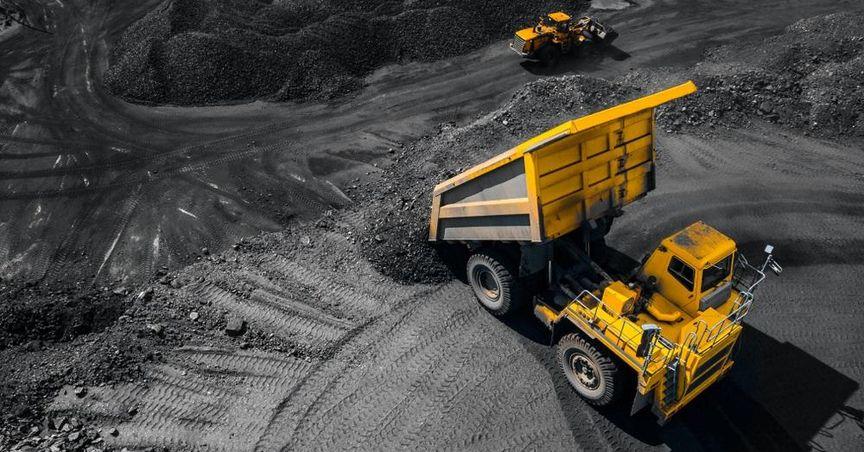
For Rio Tinto, iron ore continues acting as the primary earnings driver. The company’s Pilbara operations in Western Australia remain among the most significant iron ore production hubs globally, supplying steelmaking demand across international markets.
When steel demand rises, commodity pricing often strengthens, supporting profitability and shareholder distributions. However, downturns in construction activity or weaker industrial demand can rapidly reverse those conditions.
This cyclical nature explains why mining-sector dividends may appear highly attractive during commodity booms yet soften considerably during weaker market phases.
Copper exposure adds another layer
Beyond iron ore, Rio Tinto’s growing exposure to copper has become increasingly important in shaping long-term market discussions.
Copper demand remains closely linked to electrification trends, renewable infrastructure expansion, electric vehicle manufacturing, and grid modernisation projects globally. This broader transition toward cleaner energy systems has strengthened interest in diversified mining companies with copper assets.
The company’s exposure to energy transition metals has also helped support discussions across the broader ASX Growth Stocks segment, where investors continue evaluating future-facing industrial themes.
At the same time, commodity markets remain inherently volatile, meaning future dividend outcomes remain closely connected to global economic conditions and resource demand trends.
Passive income calculations remain dynamic
Calculating how many Rio Tinto shares may generate a targeted level of annual passive income appears simple on the surface, but the reality involves several moving parts.
Dividend yield assumptions can shift significantly depending on commodity pricing, earnings conditions, and share price movements. As share prices rise faster than dividends, yield compression may occur, increasing the capital required to achieve a specific income target.
Conversely, lower share prices combined with strong dividends can create higher yield environments.
This is why income-focused investors often assess both trailing and forward-looking dividend expectations rather than relying on a single snapshot in time.
The broader ASX Value Stocks category frequently experiences similar valuation discussions where market pricing and dividend sustainability remain interconnected.
Franking credits continue shaping income discussions
Franking credits remain one of the most distinctive features of Australia’s dividend investing landscape. For eligible investors, fully franked dividends may enhance the effective return generated from dividend-paying shares.
This becomes particularly relevant for retirees, superannuation portfolios, and income-focused strategies seeking tax-efficient cash flow generation.
Rio Tinto’s fully franked dividend structure has therefore remained an important consideration among Australian market participants exploring long-term passive income opportunities.
However, tax outcomes vary significantly depending on personal circumstances, tax brackets, and investment structures.
Why diversification still matters
Despite Rio Tinto’s strong market position, relying entirely on a single mining stock for passive income introduces concentration risk.
Commodity companies remain exposed to operational disruptions, fluctuating demand conditions, geopolitical uncertainty, and currency movements. As a result, many diversified income portfolios spread exposure across multiple sectors including banks, infrastructure, consumer staples, healthcare, and utilities.
A diversified approach may help smooth income variability during periods where resource-sector dividends weaken.
The broader ASX Financial Stocks sector, for example, often attracts income-focused attention because of its long-standing dividend culture and comparatively stable cash flow characteristics.
Currency movements can influence returns
An often-overlooked factor in passive income planning is currency exposure. Rio Tinto reports earnings in US dollars, meaning Australian shareholders may experience fluctuations in dividend outcomes depending on exchange rate movements.
A stronger Australian dollar may reduce the local currency value of dividend payments converted from US dollars, while a weaker Australian dollar may support higher converted income outcomes.
This currency component adds another layer of variability to mining-sector passive income calculations and reinforces why dividend expectations should remain flexible rather than fixed.
Commodity markets remain central to future outlook
Several macroeconomic forces continue shaping the broader outlook for Rio Tinto and the mining sector.
Chinese industrial activity, infrastructure spending, and steel production trends remain highly influential for iron ore pricing. Meanwhile, electrification investment and renewable energy infrastructure continue influencing long-term copper demand expectations.
Geopolitical developments, shipping disruptions, operational weather events, and global interest rate trends may also influence mining profitability and shareholder returns over time.
These broader market dynamics continue positioning Rio Tinto as one of the most closely watched resource companies within Australia’s evolving equity market landscape.
Long-term income strategies require patience
Building passive income through dividend-paying mining shares typically involves a long-term mindset rather than short-term yield chasing.
Many investors gradually accumulate positions over time through structured investing strategies such as dividend reinvestment plans and regular portfolio contributions. This approach may help reduce exposure to market timing risks and commodity-cycle volatility.
Rio Tinto remains a prominent name within Australia’s mining landscape, but like all resource-sector companies, its dividend profile continues reflecting the realities of global commodity markets and cyclical earnings conditions.
For income-focused market participants, understanding those cycles may be just as important as the dividend yield itself.
