
 AUS
AUS
 NZ
NZ
 UK
UK
 CA
CA
 USA
USA
 IND
IND






Highlights
- The mining industry is evolving due to continuous industrialisation and urbanisation
- Changes in various tools and equipment have been incremental
- Artificial Intelligence has a key role in the future of mining industries
Humans have been extracting minerals and metals from the earth since the prehistoric period. At that time, bare hands were used to dig mine shafts. Gradually, primitive tools were developed for digging. After extraction, metals and minerals are turned into a wide range of products for practical and aesthetic purposes.
As time progressed, humans also evolved and began using simple tools made from metal for mining purposes. These included pickaxes, hammers, and pans. For stabilising surrounding rock and preventing the caving of the structure supports were utilised.
Fire was also used to carry out mining activities. A pile of logs was placed in front of a rock and set on fire. The heat generated from the burning would weaken the rock, and fractures developed in it and broke.
Water quenching was also used with fire. The work was similar to the fire method with only difference being the application of water to induce fractures in the rock.
During the 19th century, an explosive black powder was used to break large rocks. It was replaced by dynamite around 1863. In the same century, developments were made in motorised mining tools. Drills, lifts and steam-powered pumps came into the picture to make mining more efficient.
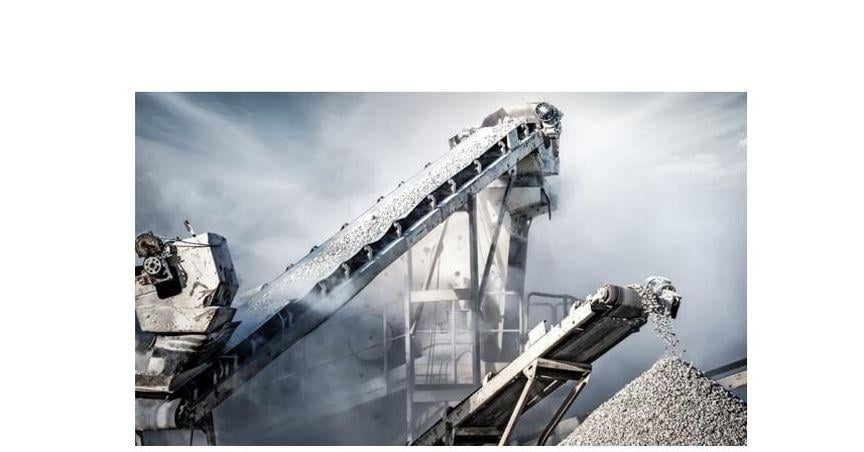
The growing demand led by industrialisation and urbanisation has resulted in continuous evolution in the mining industry since the Industrial Revolution. Innovations followed to increase the efficiency and capacity of mining. The methods of loading and unloading have also undergone several changes. Mine cars, electric conveyors, and large vehicles have increased loading efficiency.
Changes in various tools and equipment have been so incremental to say that early miners will still be able to recognise functions of the tools being used today. A drastic change has been made regarding the scale of the mine sites and the technology involved in the process.
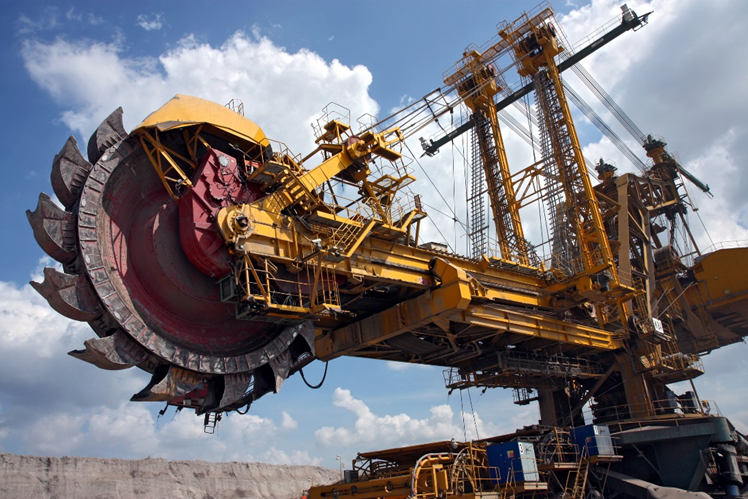
Image: © Kodym | Megapixl.com
Latest innovative technologies in mining
The growing awareness of climate change, environmental damage, optimisation, improving safety, and overall productivity have been the factors behind the innovations in the mining sector. Sustainability and economic viability play significant roles in the decision-making process for mining projects.
Let us analyse some of the innovative technologies related to mining:
Artificial intelligence, big data and virtual reality
Smart data and machine learning are being used to improve production, efficiency and safety at mining sites. These technologies can generate data at a much faster pace, helping companies make better decisions with more accuracy. Training via augmented and virtual reality has improved safety and productivity.
The constant stream of real-time data has also helped predictive maintenance. Mining companies can locate minerals in a more efficient manner. Drilling has been transformed with the application of artificial intelligence and can now be carried out by a single operator.
Automation
Automation has become one of the most prominent technologies that allows companies to have round-the-clock operations. Companies have been able to maximise the output while maintaining safety and efficiency. Deep mining operations can now be safely completed using remotely controlled automated systems. Equipment like automated trucks, automated drilling and tunnel boring systems, automated site monitoring, automated ventilation, etc. have reduced the direct exposure of workers to minerals and hazardous materials.
Geographic Information System (GIS)
The geographic information system is similar to geographic positioning systems. GIS allows miners to understand geographic relationships of rocks and structures around the site. An object’s shape, size and location can also be depicted through the geospatial data generated by GIS. This helps the companies generate accurate reports, meet regulatory compliance, explore minerals, and gain geochemical and hydrology insights.
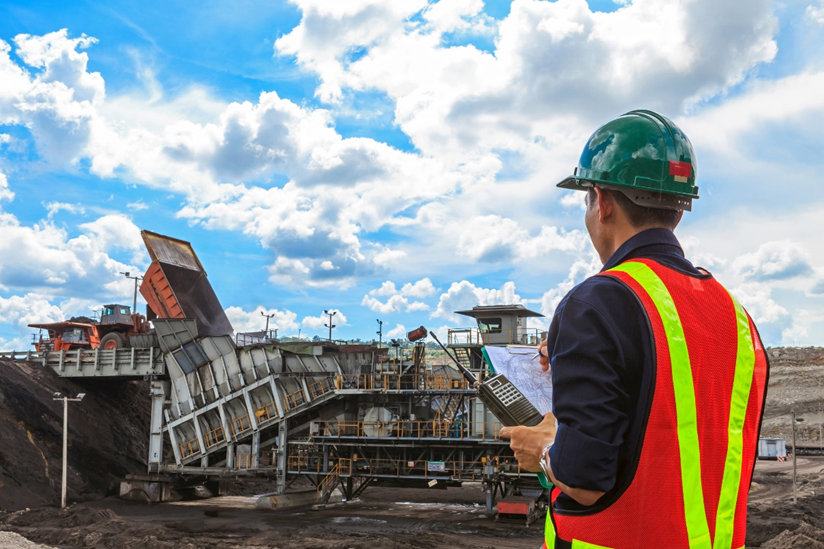
Image: © Buranatrakul | Megapixl.com
Drones
Unmanned aerial systems and remotely controlled drones are making a grip on the mining sector. Since they are easy to operate and have low-costs in the long run, mine operators value them greatly. They can provide accurate site conditions which have helped improve quarry management and efficiency of the site.
Surface topography can be easily mapped using drones. They provide surveillance capabilities in remote and hazardous areas. Further, they can explore abandoned and hazardous mines for the purpose of remediation.
Advantages of innovative technologies
The benefits of innovation have been enormous in the mining industry. The integration of advanced technologies has led to increased productivity. Operations have become more efficient, and less labor-intensive with improved performance.
Yield energy throughput has improved by utilising the analytics system, enabling miners to achieve global optimum values rather than local optimum.
The safety of mining operations has improved tremendously. The frequency of accidents and injuries has also decreased. The environmental impact of mining operations has been reduced. Companies are also utilising non-renewable energy sources to lower the carbon footprint of their operations.
Automation has lowered overall maintenance costs, even with continuous operations. The energy consumption of the industries has reduced.
