
 AUS
AUS
 NZ
NZ
 UK
UK
 CA
CA
 USA
USA
 IND
IND


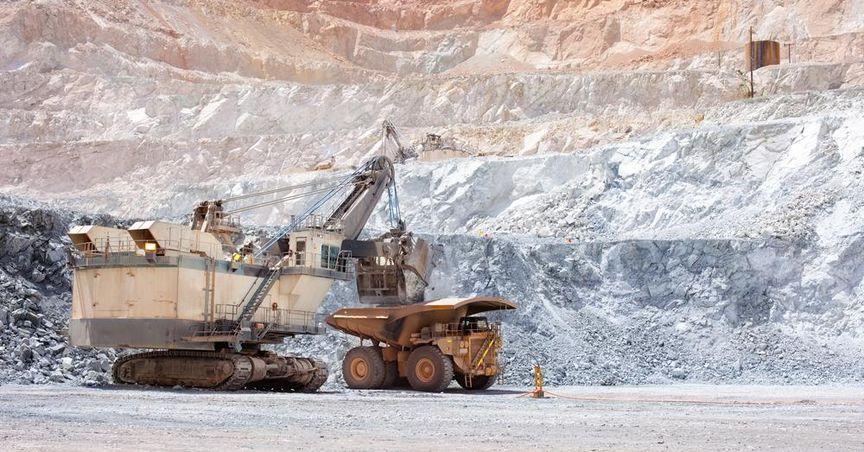





Shares of Evolution Mining (ASX: EVN) fell by as much as 1.2% to AU$3.72 apiece on Wednesday, marking their lowest point since 2 April. The dip comes amid operational challenges at several of the company's key mining sites, significantly impacting their gold production output.
Weather-Related Disruptions in Australia
Evolution Mining reported that its operations at the Cowal mine in New South Wales and the Mt Rawdon mine in Queensland have been adversely affected by unusually high levels of rainfall. This excessive rainfall has imposed restrictions on open-pit operations at both sites, forcing the company to process lower-grade stockpile ore instead of higher-grade material typically extracted from the pits. This shift to lower-grade ore is expected to reduce the overall efficiency and yield of the mining operations, thereby impacting the company's gold production volumes.
Seismic Activity in Canada
In addition to weather-related challenges in Australia, Evolution Mining is also grappling with disruptions at its Red Lake mine in Ontario, Canada. The company reported that localised seismic events have disrupted the material handling systems at the Red Lake site. These seismic disturbances have further compounded the operational difficulties faced by Evolution Mining, adding to the strain on their production capabilities.
Impact on Gold Production
The combined effect of the weather-related disruptions in Australia and the seismic activity in Canada has resulted in a net reduction of 26,000 ounces of gold production in the quarter-to-date, ending in May. This shortfall is significant, especially considering the company's output of 185,252 ounces of gold in the March quarter. The production setbacks highlight the vulnerability of mining operations to external environmental and geological factors, which can have immediate and substantial impacts on output and profitability.
Market Reaction
As a result of these operational challenges, Evolution Mining's stock has faced downward pressure. The shares are down by 5.1% this year, as of the last close, reflecting investor concerns over the company's ability to maintain steady production levels amidst these disruptions. The recent fall to A$3.64 underscores the market's reaction to the reported issues and the anticipated impact on the company's quarterly performance.
