
 AUS
AUS
 NZ
NZ
 UK
UK
 CA
CA
 USA
USA
 IND
IND






Highlights
Energy supply concerns raise pressure on resource-driven sectors
Mining companies weigh on broader Australian equities
Technology and defence companies show contrasting strength
Energy supply concerns and mining sector weakness influenced Australian equities while technology and defence companies demonstrated resilience, highlighting how global developments continue shaping sector performance across the broader market environment.
The Australian equity landscape has recently experienced renewed volatility as global energy concerns and weakness across resource companies influenced the direction of the ASX 200 benchmark. Movements across the broader ASX stock market reflected the sensitive relationship between global energy supply dynamics and Australia’s resource-heavy economic structure.
The local market remains deeply connected to developments in energy logistics, geopolitical tensions, and the performance of mining companies that form a substantial part of the nation’s industrial backbone. As concerns surrounding fuel availability and shipping routes intensified, sentiment across the ASX mining stocks segment shifted noticeably.
During the latest trading activity, weakness across metals and materials companies coincided with heightened attention toward global oil supply disruptions. This combination created a complex environment for Australian equities, where resource-linked companies experienced downward pressure while select technology and defence-focused businesses moved in the opposite direction.
The contrasting performance across sectors highlights how the Australian market remains a diverse ecosystem where global macroeconomic signals, energy logistics, and sector-specific developments continuously reshape investor sentiment. Understanding these dynamics requires examining the broader energy supply narrative, the response of mining companies, and the resilience shown by other industries.
Why Energy Supply Concerns Matter for Australia
Australia’s economy relies heavily on a stable flow of energy resources. Transport networks, agricultural activity, aviation, and large-scale mining operations depend on continuous fuel supply chains to maintain operational continuity.
Global disruptions within major oil transit corridors have recently drawn attention to the vulnerability of energy supply networks. When uncertainty arises in critical maritime routes, the ripple effects can quickly reach countries that rely on imported fuels to support industrial operations.
Fuel availability remains especially crucial for heavy industries across Western Australia, where large mining projects operate across vast distances. Transport vehicles, extraction equipment, and processing facilities depend on consistent diesel availability. Any prolonged disturbance to supply lines may create operational challenges for companies operating in remote regions.
Energy supply concerns also extend beyond industrial operations. Logistics networks that move goods across the country rely on fuel-powered transport infrastructure. When energy costs rise or supply stability becomes uncertain, operational expenses across multiple sectors can increase simultaneously.
These pressures can influence the broader ASX ordinaries stocks landscape as companies reassess operational planning, production schedules, and supply chain resilience.
How Global Tensions Affect Resource-Driven Markets
Australia’s equity environment frequently responds to international developments because commodities represent a significant component of the country’s economic framework. When geopolitical tensions affect global trade routes or energy markets, resource-focused economies tend to experience immediate market reactions.
Commodity production requires continuous energy input, and disruptions in fuel supply or shipping routes may influence production costs, transportation expenses, and logistical planning. Mining operations depend on large fleets of vehicles and machinery that operate in remote regions where energy access must remain uninterrupted.
A shift in global oil availability can therefore ripple through the resource sector, affecting operational efficiency and market sentiment simultaneously.
Within the broader ASX 100 environment, companies with exposure to commodities often respond more sharply to these developments compared with businesses operating in service-driven sectors such as technology or financial services.
This divergence explains why market performance may appear uneven during periods of geopolitical uncertainty.
Which Mining Companies Felt the Market Pressure?
Several well-known resource companies experienced notable market pressure as metals and mining stocks moved lower during the recent trading period.
Sandfire Resources Limited (ASX:SFR)
Sandfire Resources Limited (ASX:SFR) is an Australian mining company focused on copper production and exploration activities across multiple international regions. Copper remains an essential industrial metal widely used in electrical infrastructure, renewable energy systems, and manufacturing supply chains.
Movements in copper prices and global industrial demand often influence the company’s market performance. During periods of economic uncertainty or energy-related disruptions, sentiment toward base metal producers may fluctuate as investors evaluate potential impacts on manufacturing activity.
The latest market developments reflected cautious sentiment across metals companies, contributing to downward pressure on Sandfire Resources during the trading session.
Westgold Resources Limited (ASX:WGX)
Westgold Resources Limited (ASX:WGX) operates gold mining projects within Western Australia and plays an important role within the country’s precious metals production landscape.
Gold companies often react to global economic developments because the metal is widely regarded as a store of value during uncertain economic periods. However, operational factors such as energy costs, transport logistics, and production expenses also influence mining company performance.
As energy supply concerns intensified, the broader mining environment experienced volatility that also affected gold producers. Market reactions across the precious metals segment contributed to downward movements in Westgold Resources during the session.
Northern Star Resources Limited (ASX:NST)
Northern Star Resources Limited (ASX:NST) is one of Australia’s prominent gold mining companies, operating multiple projects across Western Australia and international regions.
The company’s operations involve extensive mining infrastructure, processing facilities, and transport networks. These operations require stable fuel availability to maintain continuous production.
When energy logistics become uncertain, mining companies may face increased operational challenges. Such developments can influence market sentiment toward the sector even when the underlying commodity maintains strong global demand.
Northern Star Resources experienced market pressure as the broader materials sector faced headwinds linked to energy supply concerns and sector-wide volatility.
What Explains Weakness Across Materials Companies?
The materials sector forms a significant portion of Australia’s equity landscape. Companies involved in mining, resource processing, and commodity exports often represent a large share of market activity.
When global factors influence the commodity supply chain, the materials sector tends to respond quickly. Several factors contributed to the recent weakness across resource companies.
Energy Dependence of Mining Operations
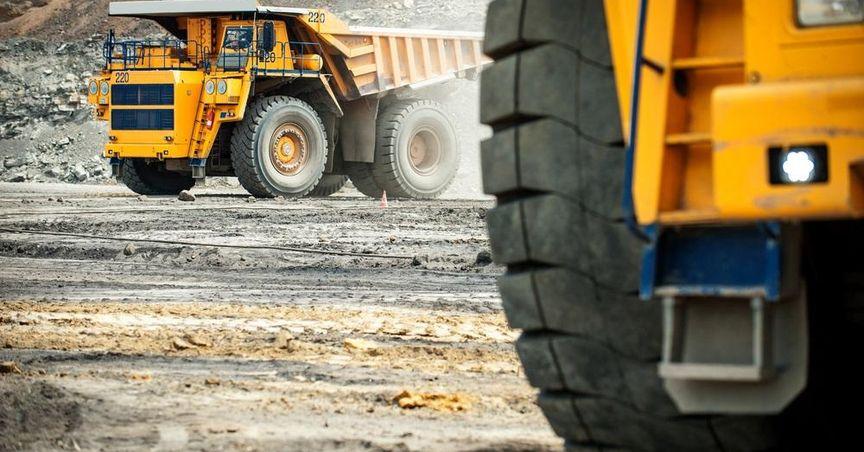
Mining activities rely heavily on energy-intensive machinery, transport vehicles, and processing plants. Diesel fuel powers heavy equipment used in excavation, hauling, and logistics across large mining sites.
A disruption in fuel availability or rising energy costs can affect operational planning across mining companies. Market participants often respond to these developments by adjusting expectations for resource-related sectors.
Logistics and Transport Challenges
Australia’s mining industry frequently operates in remote regions where transport infrastructure is essential for moving resources from extraction sites to export terminals.
Shipping disruptions or fuel supply concerns can influence the cost and timing of commodity shipments. When such uncertainties arise, market sentiment toward materials companies may become cautious.
Global Commodity Market Sensitivity
Commodity markets respond to global economic signals including industrial activity, infrastructure spending, and geopolitical developments. Resource companies operating within the ASX mining stocks segment often experience rapid shifts in sentiment when these factors change.
Which Companies Showed Market Strength?
While mining companies faced headwinds, several technology and defence-related companies moved higher, demonstrating that market momentum remained uneven across sectors.
WiseTech Global Limited (ASX:WTC)
WiseTech Global Limited (ASX:WTC) is an Australian technology company specialising in logistics software solutions used by freight forwarders and supply chain operators worldwide.
The company develops digital platforms designed to streamline international trade operations, customs processes, and transport logistics. Its technology solutions are widely used across global freight networks.
Technology companies often demonstrate resilience during periods when commodity sectors experience volatility. Demand for digital infrastructure and logistics solutions remains closely linked to long-term structural growth trends rather than short-term commodity cycles.
During the latest market session, WiseTech Global recorded strong market momentum, reflecting continued interest in technology-driven businesses.
DroneShield Limited (ASX:DRO)
DroneShield Limited (ASX:DRO) operates within the defence technology sector, developing systems designed to detect and counter unmanned aerial vehicles.
The company’s technology solutions focus on security applications, including protecting infrastructure, military installations, and sensitive locations from drone-related risks.
Defence technology companies often experience increased attention during periods of geopolitical uncertainty. As global security concerns intensify, companies involved in advanced defence solutions may attract stronger market interest.
DroneShield demonstrated notable market strength during the session as defence technology remained a focal point within the broader market environment.
Magellan Financial Group Limited (ASX:MFG)
Magellan Financial Group Limited (ASX:MFG) is an Australian asset management company known for its global investment strategies and institutional portfolio management services.
Financial services companies can sometimes perform differently from resource-driven sectors because their performance depends more heavily on financial market trends rather than commodity production cycles.
Magellan Financial Group experienced upward momentum during the trading period, reflecting renewed attention toward financial service providers within the Australian market.
How Sector Rotation Shapes Market Behaviour
Periods of volatility often trigger sector rotation across the market. Sector rotation occurs when market participants shift attention between industries based on changing economic conditions.
In resource-heavy economies like Australia, sector rotation frequently emerges when commodity-driven companies experience pressure while other sectors demonstrate resilience.
Technology as a Growth Engine
Technology companies provide digital infrastructure supporting logistics, finance, communications, and global trade. Demand for these services often continues regardless of fluctuations in commodity markets.
As a result, technology businesses sometimes attract attention during periods when traditional industries experience uncertainty.
Defence Technology and Security Trends
Rising geopolitical tensions have increased global focus on security technologies. Companies developing advanced defence systems, surveillance technology, and threat detection platforms have attracted interest across global markets.
These trends contribute to the growing visibility of defence technology companies within the Australian equity environment.
Financial Services Stability
Financial institutions and asset managers operate within global capital markets rather than commodity extraction cycles. Their market behaviour may therefore differ from resource companies during periods of energy-related volatility.
What Does Market Volatility Reveal About Sentiment?
Volatility is an important indicator of changing sentiment within equity markets. When volatility rises, it often reflects heightened uncertainty among market participants.
Periods of geopolitical tension, supply chain disruption, or economic policy shifts can influence volatility across global markets.
In the Australian context, volatility frequently increases when commodity sectors experience rapid changes because resource companies represent a large portion of the market structure.
Monitoring volatility helps observers understand how the market interprets economic developments and sector-specific challenges.
How Energy Logistics Influence Industrial Activity
Energy availability remains central to industrial productivity. Large-scale mining operations require consistent fuel access for transport fleets, drilling equipment, and ore processing facilities.
Similarly, agricultural production depends on fuel for machinery used in planting, harvesting, and transportation.
When energy supply becomes uncertain, businesses may need to adjust operational planning. Logistics companies that transport goods across long distances also depend on reliable fuel supply chains.
These factors highlight why energy supply concerns resonate strongly within the Australian economic framework.
Why Transport Costs Matter for the Economy
Transport infrastructure plays a critical role in connecting production sites with export terminals, processing facilities, and domestic markets.
Australia’s geography requires extensive road, rail, and maritime transport networks. Mining companies transport resources across vast distances before reaching export facilities.
Any disruption to fuel supply may affect transport operations, influencing operational efficiency across multiple industries.
Higher transport costs may also influence the price of goods moving through the supply chain, potentially affecting industries ranging from agriculture to retail distribution.
What Does the Market Outlook Suggest?
While resource companies experienced pressure, the broader market continues to demonstrate resilience through sector diversification.
Technology, defence technology, and financial services companies illustrate how different industries respond to changing economic conditions.
Australia’s equity environment remains deeply connected to global developments, particularly those affecting energy logistics and commodity supply chains.
Understanding these connections provides insight into how market sentiment evolves during periods of geopolitical uncertainty.
The Australian equity landscape continues to evolve in response to global developments affecting energy supply, commodity markets, and geopolitical dynamics.
Resource companies remain central to the nation’s economic identity, and developments affecting energy logistics often ripple across mining and materials sectors.
At the same time, technology, defence technology, and financial services companies demonstrate the growing diversification of the Australian market.
These contrasting movements highlight how the modern market environment combines traditional resource industries with emerging technology-driven sectors, creating a dynamic and multifaceted equity landscape.
