
 AUS
AUS
 NZ
NZ
 UK
UK
 CA
CA
 USA
USA
 IND
IND







Highlights
Extensive drilling continues across Lake Johnston lithium and gold zones.
Exploration focuses on extending the Medcalf lithium system and Xmas gold discovery.
Soil sampling and assays expected to guide future exploration strategy.
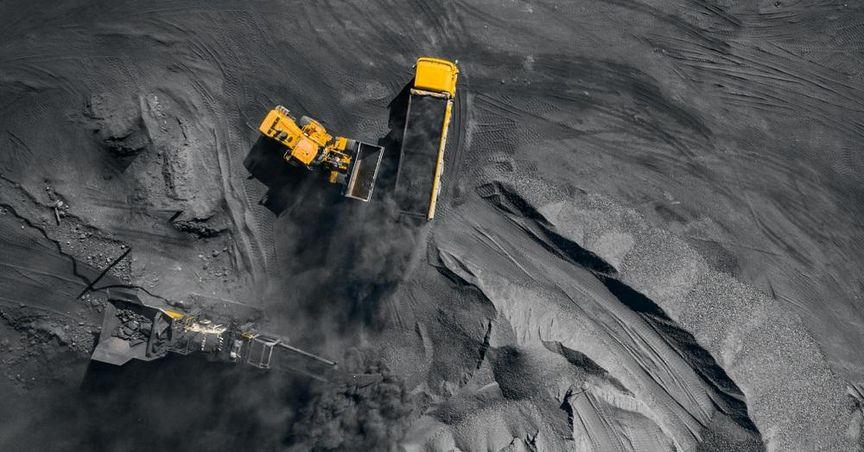
Exploration work at Lake Johnston continues to expand geological understanding as drilling and sampling programs assess lithium and gold mineralisation across multiple targets within the project area.
Exploration activity around Charger Metals NL (ASX:CHR) has intensified as drilling continues across the Lake Johnston Lithium and Gold Project in Western Australia. The project, located within the Yilgarn greenstone belt, remains a focal point for lithium and gold exploration, with ongoing work aimed at expanding known mineralised zones and refining geological understanding.
The latest campaign includes diamond and reverse circulation drilling targeting both the Medcalf lithium deposit and the nearby Xmas gold discovery. These activities highlight a broader effort to evaluate extensions of known mineralisation and assess additional exploration targets across the project area.
While many investors monitor developments across major indices such as the ASX 200, early-stage exploration companies often generate interest due to the geological discoveries that can emerge from sustained drilling campaigns. The Lake Johnston program reflects this exploratory phase, where systematic drilling and sampling provide insights into the scale and continuity of mineral systems.
Lake Johnston Project Exploration Momentum
Drilling Campaign Expands Across Key Targets
The current drilling program spans multiple zones within the Lake Johnston project area. Diamond drilling continues to investigate deeper extensions of the Medcalf spodumene deposit, while reverse circulation drilling has focused on areas surrounding the Medcalf West exploration target and the Xmas gold discovery.
These drilling activities aim to gather geological data and confirm the presence of mineralised structures beneath previously identified surface indications. Samples collected during drilling have been sent for laboratory analysis, and results are expected to play an important role in refining the project’s mineral resource estimates.
Lithium exploration across Western Australia has gained increased attention in recent years as demand for battery materials continues to shape the global energy transition. Projects such as Lake Johnston contribute to the growing pipeline of lithium resources under evaluation within the region.
Medcalf Lithium System Under Evaluation
Focus on Resource Expansion
The Medcalf spodumene deposit represents one of the central lithium targets within the Lake Johnston project. The current exploration phase aims to test deeper sections of the deposit to determine whether the lithium-bearing pegmatite system extends further underground.
Diamond drilling has been designed to reach significant depths to better understand the continuity of mineralisation along the down-dip direction. Geological analysis from these holes may help refine the structural interpretation of the pegmatite body and guide future drilling strategies.
In parallel with drilling, additional technical work is being planned to evaluate processing characteristics of the lithium mineralisation. Metallurgical testing and ore-sorting studies are expected to assess how the material could be processed if the project advances to later development stages.
The findings from this work may support future updates to the mineral resource estimate associated with the Medcalf deposit, providing a clearer picture of the scale and distribution of lithium within the system.
Medcalf West Exploration Target
Investigating Strike Continuity
Beyond the main deposit, exploration efforts are also examining the Medcalf West target, located along the same geological trend. Drilling across this zone is designed to test the continuity of spodumene-bearing pegmatites beneath surface outcrops.
By positioning drill lines across the strike direction, geologists can evaluate whether the mineralised structures extend laterally across the broader project area. This approach helps identify whether the pegmatite system forms part of a larger lithium-bearing corridor within the Lake Johnston greenstone belt.
Exploration targeting at Medcalf West also reflects a common strategy used across lithium districts in Western Australia, where multiple pegmatite bodies can occur along the same structural trend. Confirming the presence of additional mineralised zones could significantly expand the geological footprint of the project.
Xmas Gold Discovery Draws Attention
Testing Vertical Extensions
In addition to lithium exploration, the Lake Johnston project has generated interest through the Xmas gold discovery. Recent drilling has targeted both the up-dip and down-dip extensions of previously intersected gold mineralisation.
The aim of this drilling is to determine whether the high-grade gold zones extend vertically within the host rock sequence. Establishing the depth continuity of mineralisation is a key step in evaluating whether the discovery could represent a larger gold system.
Initial drilling results previously indicated notable gold and silver intersections within the discovery area. The latest campaign seeks to confirm whether these mineralised zones persist beyond the original intercepts.
Laboratory assays from the recent drill holes remain pending, and the results will help guide the next stage of exploration planning at the site.
Soil Sampling Expands Geological Understanding
Surface Exploration Complements Drilling
Alongside drilling activities, a comprehensive soil sampling program has been carried out across the Xmas discovery area. Samples have been collected across a grid pattern to identify geochemical anomalies that may indicate additional gold mineralisation.
Soil geochemistry plays an important role in early-stage exploration by highlighting subtle chemical signals in surface materials. These anomalies can reveal underlying mineralised structures and help prioritise new drilling targets.
The latest sampling campaign covers a large portion of the discovery trend, which remains largely unexplored by historical drilling. Once laboratory results are received, geologists will integrate the findings with existing geological and geophysical data to refine exploration models.
An Under-Explored Greenstone Belt
Geological Context of Lake Johnston
The Lake Johnston project lies within the Yilgarn region of Western Australia, an area widely known for hosting significant mineral deposits. Despite this geological setting, the specific greenstone belt hosting the project has historically seen limited exploration compared with other districts in the region.
This relative lack of historical drilling means large portions of the belt remain geologically under-tested. Modern exploration techniques, including geochemical surveys, geophysics and targeted drilling, are now being applied to better understand the mineral potential of the area.
The combination of lithium-bearing pegmatites and gold-bearing structures within the same project area highlights the diverse mineral systems present in the greenstone belt.
Investors often follow such developments closely, particularly when exploration occurs in regions already known for large-scale mining operations. Interest across the broader Australian market can also be seen in segments such as the ASX 100, where established mining companies play a major role in the resources sector.
Environmental and Field Studies
Surveys Supporting Future Development
In addition to exploration drilling, environmental monitoring programs are being prepared across parts of the Lake Johnston project area. Flora and fauna surveys are expected to form part of the environmental assessment process associated with the mining lease application over the Medcalf deposit.
Environmental baseline studies help document ecological conditions prior to any potential project development. These surveys contribute to regulatory approvals and ensure that environmental considerations remain integrated into long-term project planning.
Such assessments are common practice across exploration projects as they transition toward more advanced evaluation stages.
Broader Market Context for Lithium Exploration
Growing Attention on Battery Minerals
Lithium exploration across Australia continues to attract global attention due to the metal’s role in rechargeable battery technologies. As electric mobility and renewable energy storage expand worldwide, lithium supply chains are becoming increasingly important.
Exploration companies play a critical role in identifying and evaluating new deposits that could support future production. Early-stage projects such as Lake Johnston contribute valuable geological insights into emerging lithium districts.
Across the Australian share market, investors often monitor trends in mining exploration through broader indices such as the ASX 300. These indices capture a wide range of companies across the resources sector, reflecting ongoing exploration and development activities.
Investor Interest in Resource Exploration
Early Discoveries Can Shape Project Trajectories
Discoveries made during exploration campaigns frequently influence the future direction of resource projects. Drill results, soil geochemistry and geological mapping collectively build the data framework used to determine whether mineralisation may support further development.
Exploration updates often form an important part of market communication for companies operating in the resources sector. Investors analysing the mining industry frequently track such developments alongside trends in income-focused sectors such as ASX dividend stocks, which represent a different investment approach within the Australian market.
The Lake Johnston exploration campaign reflects the early-stage process where geological data continues to accumulate, gradually shaping the long-term outlook for the project.
What Comes Next for Lake Johnston
Awaiting Assay Results and Technical Studies
The next phase of exploration at Lake Johnston will depend heavily on laboratory assay results from the current drilling program. These results will provide detailed information about lithium, gold and silver concentrations within the collected samples.
Once the assays are received and interpreted, geological teams will integrate the findings with structural models to determine future drill targets. Metallurgical studies planned for the Medcalf lithium system will also help evaluate how the mineralised material behaves during processing.
Additional exploration activities may include further drilling, geochemical sampling and geophysical surveys across the broader project area.
Outlook for the Project
The Lake Johnston Lithium and Gold Project continues to evolve as new data emerges from ongoing exploration work. With drilling targeting both lithium and gold systems, the project provides insight into the mineral potential of an under-explored region within Western Australia.
As assay results and geological interpretations develop, the exploration program is expected to provide greater clarity regarding the scale and continuity of mineralisation across the Lake Johnston greenstone belt.
