
 AUS
AUS
 NZ
NZ
 UK
UK
 CA
CA
 USA
USA
 IND
IND







Highlights
Strategic rail and port investments strengthen logistics access.
Trial mining activities continue ahead of targeted shipments.
Refinery studies and offtake discussions remain in progress.
Canyon Resources is advancing the Minim Martap bauxite project through major logistics investments, rail expansion, and port development while progressing toward planned export operations and long-term project integration.
Canyon Resources Strengthens Infrastructure Strategy for Minim Martap
Canyon Resources (ASX:CAY) has moved further ahead with the development of its Minim Martap bauxite project through a broader infrastructure strategy designed to improve transportation efficiency and operational coordination. The latest developments highlight the company’s focus on securing stronger control across the rail and port network connected to the project, an important step as global interest in industrial minerals continues to grow across the ASX 100.
The company’s latest investments into transport and export infrastructure signal an effort to improve long-term logistics certainty while supporting the transition toward future production activity. By increasing its ownership interests in key transport operators, Canyon Resources is positioning the Minim Martap project for smoother mine-to-port movement once export operations begin.
At the same time, progress in trial mining, rail preparation, and port construction activities demonstrates continued momentum across several operational fronts. The combination of mining development and logistics expansion reflects a coordinated approach aimed at supporting future bauxite shipments while reducing infrastructure-related challenges.
Rail Infrastructure Becomes a Central Focus
Transportation remains one of the most critical components of any large-scale mining development, particularly in regions where export operations depend heavily on integrated rail and port access.
Canyon Resources has strengthened its involvement in Camrail, the rail operator responsible for supporting freight movement connected to the Minim Martap project. The increased ownership interest is expected to provide stronger alignment between mining operations and rail logistics planning.
This expanded position may also help improve scheduling flexibility, infrastructure coordination, and future operational planning linked to rail transportation. Industry observers often view logistics integration as an important factor in reducing delays and supporting supply chain consistency for mining projects.
The broader rail strategy also supports work associated with the PQ rail upgrade program, which remains a major component of the overall export pathway for the project. Infrastructure coordination between rail operations and mining activities is expected to remain an important focus area as development progresses.
Port Development Adds Further Operational Support
Alongside rail expansion, Canyon Resources has also increased its involvement in port infrastructure through an investment connected to operations at the Port of Douala.
Port access is a critical requirement for bulk commodity exports, particularly for projects targeting international supply chains. By strengthening participation within the port operator structure, the company gains greater visibility into logistics planning and cargo handling coordination.
Bulk earthworks and site preparation activities are already underway at the port, supporting future storage and loading capabilities tied to bauxite exports. These developments form part of a broader strategy aimed at creating a streamlined mine-to-port network.
The port infrastructure initiative is expected to support future export readiness while also improving operational coordination across shipping timelines and stockpile management.
As mining companies across the ASX 200 continue focusing on supply chain resilience, infrastructure ownership and transport partnerships are increasingly viewed as an important competitive advantage.
Trial Mining Activities Continue to Advance
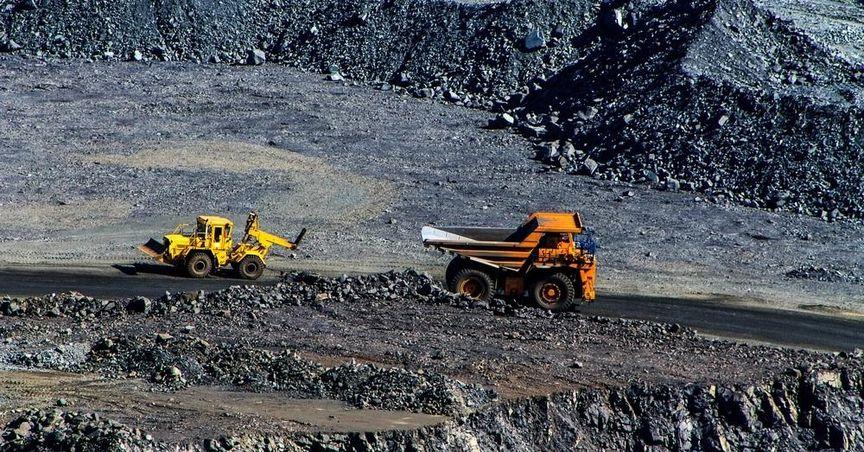
Operational progress at Minim Martap has also accelerated with the mobilisation of surface mining equipment to the Daniel Plateau area.
Trial mining activities are expected to support the development of initial stockpiles across the mine site, inland rail facilities, and export storage locations. These early-stage mining activities often serve as an important operational milestone because they help validate handling systems, transport planning, and logistics coordination before larger-scale production begins.
The company is also advancing tracklaying activities at the Inland Rail Facility while continuing associated construction works linked to rail movement preparation.
Such developments indicate that Canyon Resources is working simultaneously across several operational layers rather than focusing on a single infrastructure segment. This broader coordination approach may help reduce delays between mining commencement and export readiness.
The arrival of locomotives and rail wagons is also expected to play an important role in supporting transportation capacity once exports begin moving through the logistics chain.
Growing Importance of Bauxite in Global Markets
Bauxite continues to attract industry attention due to its role in aluminium production, infrastructure development, transportation manufacturing, and renewable energy supply chains.
As industrial economies focus more heavily on electrification, lightweight materials, and manufacturing resilience, aluminium demand has remained an important market theme. This has placed greater attention on large-scale bauxite projects capable of supporting long-term supply requirements.
The Minim Martap project has attracted market interest because of its ore quality and resource profile. Industry discussions surrounding high-grade bauxite deposits continue to shape investment attention across global mining markets.
Within the Australian market landscape, mining and resources companies connected to industrial minerals frequently attract attention from investors following developments across the ASX 300.
Refinery Studies Expand Long-Term Vision
Beyond mining and export development, Canyon Resources is also progressing feasibility studies connected to a proposed alumina refinery initiative.
The refinery study highlights broader ambitions tied to downstream processing and value-added opportunities linked to the project. While mining operations remain the immediate focus, future processing capabilities could support additional operational diversification over time.
Value-added processing projects are often viewed as a longer-term strategic consideration for mining companies seeking to capture greater participation across the supply chain.
The ongoing feasibility work may also provide further insight into infrastructure requirements, operating costs, and long-term expansion pathways connected to the project.
Offtake Discussions Remain an Important Area
Discussions with prospective offtake partners continue as Canyon Resources advances operational readiness.
Offtake agreements are commonly viewed as an important commercial component for large-scale mining developments because they help establish long-term customer relationships and export visibility.
The company appears focused on progressing these discussions alongside operational milestones, particularly as future shipments may provide additional opportunities to demonstrate ore quality and export capability.
Market participants will likely continue monitoring developments surrounding customer agreements, logistics execution, and operational delivery timelines.
Funding Support Strengthens Development Confidence
Previous updates surrounding the project indicated that early-stage capital requirements linked to initial shipment objectives remain supported through existing financial arrangements and available company resources.
Funding clarity often plays an important role in project development because mining infrastructure projects typically involve extensive logistics investment before export revenue begins flowing.
The combination of financing support, infrastructure progress, and operational activity may help strengthen broader market confidence surrounding the project’s advancement pathway.
Logistics Execution Remains a Key Watchpoint
Despite continued progress, several operational factors are expected to remain important areas for ongoing market attention.
Large-scale mining developments can face logistical, regulatory, construction, and operational challenges throughout the development cycle. Rail coordination, shipment scheduling, infrastructure delivery, and commercial negotiations all remain areas that can influence project momentum.
At the same time, global commodity markets continue responding to broader economic conditions, industrial demand patterns, and supply chain developments.
For Canyon Resources, maintaining coordination between mining activity, rail readiness, port development, and export planning will remain central to future operational progress.
Infrastructure Ownership May Shape Long-Term Positioning
One of the more notable aspects of Canyon Resources’ recent strategy is the emphasis on infrastructure participation rather than relying solely on third-party transport access.
By expanding involvement across both rail and port operations, the company is building greater alignment between logistics systems and mining development objectives.
This approach may support stronger operational visibility while potentially reducing dependence on external scheduling constraints. Integrated logistics planning is becoming increasingly important across global resource projects as mining companies seek to improve supply chain reliability.
The broader infrastructure strategy also reflects a long-term operational mindset, particularly for projects expected to support sustained export activity over an extended timeframe.
Market Attention Continues Around Resource Expansion
Resource-focused investors continue monitoring mining developments connected to infrastructure readiness, commodity demand, and export growth opportunities.
Projects linked to aluminium supply chains often remain closely watched because of their connection to manufacturing, transport, energy transition infrastructure, and industrial production.
At the same time, interest in diversified resource exposure continues across equity markets, particularly among investors exploring opportunities connected to mining expansion and global commodity supply.
Discussions surrounding mining development, export infrastructure, and industrial mineral demand also continue shaping interest in sectors associated with ASX dividend stocks as market participants evaluate broader resource sector trends.
Canyon Resources continues advancing the Minim Martap bauxite project through a combination of infrastructure expansion, operational development, and logistics integration.
The company’s increased involvement across rail and port operations reflects a strategic effort to strengthen export coordination while supporting future production activity. Trial mining progress, rail facility preparation, and port construction activities further demonstrate continued momentum across the broader project framework.
As the development pathway moves forward, market attention is likely to remain focused on logistics execution, infrastructure readiness, commercial agreements, and future operational milestones tied to the project’s export ambitions.
