
 AUS
AUS
 NZ
NZ
 UK
UK
 CA
CA
 USA
USA
 IND
IND






Highlights
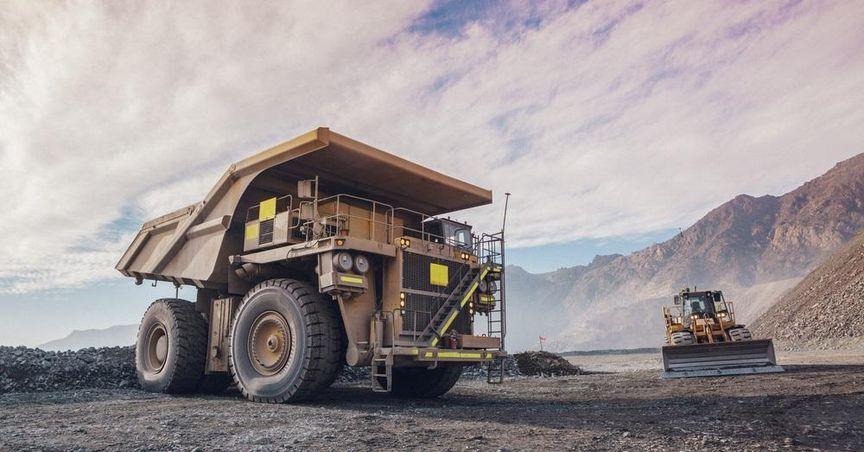
Mining fleet arriving and moving toward site readiness
Processing plant preparation advancing across key zones
Broader infrastructure rollout supporting future operations
The Kangankunde Rare Earths Project in Malawi is transitioning from preliminary site work to sustained construction as the owner-operator mining model begins to take shape. Fleet mobilisation, processing plant preparation, and infrastructure development are steadily expanding the foundation for long-term operations while maintaining strong site safety performance and coordination with local authorities.
Lindian Resources (ASX:LIN) continues to build momentum at the Kangankunde Rare Earths Project in Malawi as construction activity shifts into a more coordinated development phase. The gradual arrival of mining equipment, advancing civil works, and broader infrastructure rollout are helping position the project within the evolving landscape of ASX mining stocks.
Transition from Early Works to Sustained Construction
With site establishment progressing, the project is moving through a structured transition toward mining readiness. The first elements of the owner-operator fleet are being inspected, assembled, and prepared for deployment, while operator training is expanding to support future activity.
This approach emphasises measured execution, disciplined cost oversight, and a focus on building capability on site rather than relying heavily on external contractors. The model is designed to keep essential functions close to the project team, ensuring consistent coordination as Kangankunde develops.
Strengthening Mining Readiness on the Ground
The expanding fleet forms the backbone of Lindian’s owner-operator strategy. Before formal mining activity commences, equipment will assist with essential groundwork, including preparation of storage areas and ongoing civil support tasks.
Using in-house resources helps streamline timelines while reinforcing safety oversight. As more units arrive and are commissioned, the project team gains greater flexibility across the site, supporting both day-to-day construction work and operational planning.
Preparing the Processing Plant Footprint
Alongside mining readiness, preparations for the processing plant are accelerating. Detailed engineering and construction planning continue to evolve, with site integration carefully mapped to align civil works, utilities, and logistics pathways.
Topsoil removal, ground layering, and compaction activity are setting the stage for plant foundations. Multiple work fronts are scheduled in parallel to keep progress steady while ensuring that sequencing remains controlled and safe.
The site contractor is expected to fully mobilise as the next phase unfolds, introducing structured civil activity across designated plant zones.
Workshop and Support Facilities Take Shape
The mobile workshop area is moving forward, with structural fabrication underway off site and foundations being prepared on the ground. Once operational, this facility will support equipment maintenance, reduce downtime, and centralise key technical functions.
Simultaneously, the main administration building is emerging as the coordination hub for construction and later operations. This facility will host management, technical, logistics, medical, IT, and safety teams, ensuring smooth communication across departments as site activity grows.
Expanding Core Infrastructure
Several layers of enabling infrastructure are advancing in parallel. Perimeter fencing supports site security, while work on storage, explosives facilities, and fuel handling systems has progressed in collaboration with relevant authorities.
Camp construction at the Tipume accommodation village is also gathering pace. Living areas, mess facilities, and supporting services are moving toward readiness, creating a structured environment for the workforce as numbers increase.
A Focus on Safety and Discipline
Lindian has reported a strong safety performance throughout the current development phase, highlighting disciplined systems and continuous workforce engagement. As new contractors, operators, and technical specialists join the site, safety protocols continue to expand and mature.
Power infrastructure is being installed in coordination with the national utility, including ongoing work on overhead lines. Energisation is planned in line with the development timeline, supporting both temporary construction activities and long-term power needs.
Kangankunde’s Position Within the Broader Asset Portfolio
Kangankunde sits at the centre of Lindian’s growth pathway and remains a core focus for capital allocation and project delivery. The company advanced to a final investment decision for the first development stage following supportive funding arrangements and a strategic partnership with Iluka Resources (ASX:ILU).
The project combines resource scale, infrastructure expansion, and owner-operated capabilities, which together aim to create a self-sustaining operational base once production commences.
Linking to the Wider ASX Landscape
Interest in rare earths continues to be shaped by broader industry conversations around supply chains, energy transition technologies, and advanced manufacturing. Projects such as Kangankunde contribute to this narrative by building assets designed for long-term production stability.
For investors and market observers tracking the Australian resource space, developments like these intersect with broader themes across the ASX stock market, including coverage of the ASX100, ASX200, and ASX300 indices.
Resource-linked companies are also often discussed alongside ASX dividend stocks as part of diversified portfolio strategies and sector outlook analysis.
Looking Ahead
As Kangankunde progresses, the next stages will focus on structured delivery of plant infrastructure, workforce expansion, and the gradual integration of systems that support future production. Coordination between engineering teams, site operators, logistics groups, and local stakeholders will remain central.
The project continues to evolve step by step, with each milestone contributing to a broader plan aimed at building a sustainable, long-life rare earths operation that supports both local economic development and the wider resource market.
