
 AUS
AUS
 NZ
NZ
 UK
UK
 CA
CA
 USA
USA
 IND
IND



_06_15_2026_05_04_49_929943.jpg)


Highlights
- Overview of large scale resources operations within global materials markets
- Context on operational breadth and commodity exposure
- Structural factors shaping sector positioning
This article outlines BHP Group role in the ASX resources sector, highlighting operations, commodity exposure, and industry context without promotional language.
The diversified metals and mining sector within the Australian market includes major participants connected to the ASX 20, where large scale resource producers operate across iron ore, copper, and other essential materials. This sector reflects global demand patterns tied to infrastructure development, manufacturing activity, and energy transition needs. Within this environment, BHP Group (ASX:BHP) represents a long established entity with operations spanning multiple regions and commodities, positioning the company among the most prominent names linked to the ASX 20 universe.
Sector Context and Industry Scope
The metals and mining industry plays a central role in supplying raw materials used across construction, transportation, and industrial production. Companies operating in this space manage extensive asset portfolios that include extraction, processing, and logistics infrastructure. BHP Group (ASX:BHP) maintains activities across iron ore, copper, coal, and other resources, aligning operations with global supply chains that serve steelmaking, electrification, and manufacturing sectors.
Industry conditions are influenced by shifts in urban development, infrastructure spending, and technological change. Demand for certain materials continues to evolve alongside decarbonisation efforts and electrification trends, shaping how large mining groups structure their asset base and project pipelines.
Operational Footprint of BHP Group
BHP Group (ASX:BHP) operates assets across Australia, the Americas, and other regions, reflecting a geographically diversified approach. This structure allows exposure to multiple commodity cycles while balancing operational considerations such as logistics access, regulatory environments, and geological characteristics.
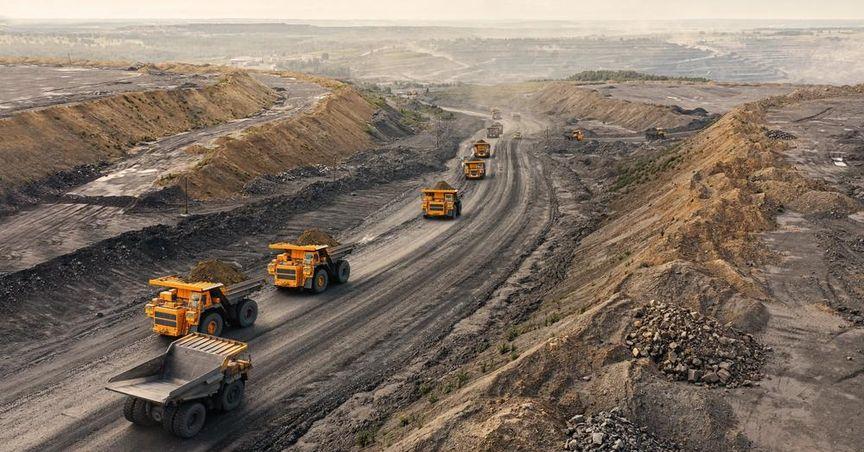
BHP Group has historically focused on large scale, long life assets designed to operate over extended periods. Such assets typically involve integrated systems covering extraction, processing, and transport, supporting consistent supply to global customers. The scale of these operations places BHP Group among the most visible participants in the Australian resources sector.
Commodity Mix and Market Relevance
Iron ore remains a core component of BHP Group (ASX:BHP) activities, supporting steel production for infrastructure and construction. Copper operations connect to electrical systems, renewable technologies, and industrial applications. Additional exposure to metallurgical coal and other materials broadens the commodity mix, linking company performance to a wide range of end markets.
This diversified portfolio aligns with structural demand drivers rather than reliance on a single commodity. As global economies pursue infrastructure upgrades and energy system changes, materials supplied by BHP Group remain integral to multiple value chains connected to industrial growth.
Project Development and Asset Management
Resource companies of this scale typically manage ongoing project development alongside existing operations. BHP Group (ASX:BHP) continues to progress developments aimed at maintaining production capacity and extending asset life. Such projects often involve complex planning, regulatory engagement, and capital allocation processes.
Operational management also includes rehabilitation obligations, safety systems, and environmental stewardship requirements. These elements form part of the broader framework governing large scale mining activities and influence how companies structure long term operations.
Regulatory and Environmental Framework
Mining activities operate within detailed regulatory frameworks covering land access, environmental protection, and community engagement. BHP Group (ASX:BHP) functions within these frameworks across multiple jurisdictions, adapting practices to local requirements while maintaining overarching operational standards.
Environmental considerations include emissions management, water use, and waste handling. These factors shape operational planning and reporting practices, particularly for companies associated with the ASX 20 Index, where public disclosure and compliance expectations are well established.
Market Position Within Australian Resources
Within the Australian market, BHP Group (ASX:BHP) holds a prominent position due to operational scale and commodity reach. The company is frequently referenced in discussions around national export performance and global resource supply. Its inclusion among major indices reflects size and liquidity characteristics common to large listed entities.
BHP Group presence within the ASX framework contributes to overall sector representation, particularly in materials and resources categories. This positioning connects the company to broader market movements tied to global economic conditions.
Role in Global Supply Chains
Global manufacturing and infrastructure systems depend on consistent access to raw materials. BHP Group (ASX:BHP) participates in these systems by supplying bulk commodities and base metals to international markets. Logistics networks involving ports, rail, and shipping underpin this role, enabling large volume distribution.
Such supply chain integration places BHP Group within a network of industrial users, processors, and end consumers. Changes in global trade patterns or industrial activity can influence operational focus and asset utilisation across the portfolio.
