
 AUS
AUS
 NZ
NZ
 UK
UK
 CA
CA
 USA
USA
 IND
IND





_06_25_2026_03_53_23_801064.jpg)

In a dynamic trading session on Tuesday, Australian shares experienced a notable uptick, propelled by gains in banking and gold stocks. The S&P/ASX 200 index (AXJO) showed resilience, gaining 0.11%, marking a recovery from the 1.8% dip on Monday. The market's buoyancy was driven by various factors, including a significant buyout offer and anticipation around U.S. inflation data.
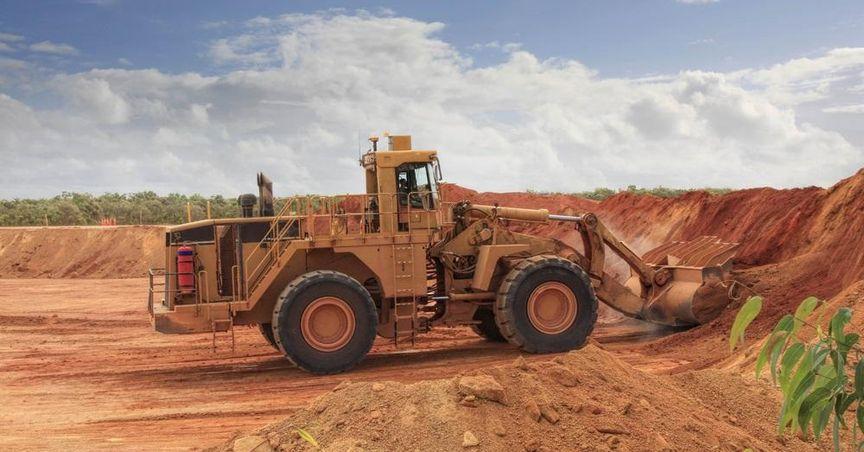
The spotlight of the day was on Alumina (ASX: AWC), which surged by 8.09% to reach its highest level since August. The jump followed the acceptance of a substantial AU$2.2 billion takeover bid from Alcoa. This move injected positivity into the market, signaling a potential trend of acquisitions and reshaping the landscape for mining companies.
Gold miners (INDEXASX: XGD) experienced a robust performance, surged by as much as 2.24% and poised for their best day in a week. This upward trajectory mirrored the strength of the bullion market. Noteworthy in this sector was Northern Star Resources (ASX:NST), climbing by 1.66%, contributing to the overall positive sentiment in the market.
Financials (INDEXASX: XFJ) also played a pivotal role in driving the market gains, with the "big four" banks witnessing an uptick ranging from 0.5% to 1.7%. This upward movement in the financial sector showcased investor confidence and contributed to the overall market recovery.
In the technology sector (INDEXASX: XIJ), a 1.15% increase was observed, while healthcare (INDEXASX: XHJ) remained relatively flat. The diversified performance across sectors underscored the nuanced dynamics influencing the Australian market on this trading day.
Despite the overall positive trend, the energy sector (INDEXASX: XEJ) experienced a 0.77% decline, hitting its lowest level since December 8. This dip was attributed to mixed oil prices and concerns over supply dynamics in the Middle East. Woodside Energy (ASX: WDS) and Santos (ASX: STO) registered significant declines, contributing to the overall drag on the energy sector.
In the realm of mining, heavyweight players BHP (ASX: BHP) and Rio Tinto (ASX: RIO) faced marginal setbacks. The subdued performance in the mining sector highlighted the nuanced nature of commodity-driven markets.
Investors were also attentive to U.S. February consumer price data, a key measure for core inflation, expected later in the day. The anticipation of a monthly increase of 0.4% and a year-on-year rise of 3.1% added an element of suspense to the market, with potential implications for future Federal Reserve policy decisions.
In New Zealand, the benchmark S&P/NZX 50 index (NZ50) faced a 0.5% decline, reflecting the broader regional dynamics. Notably, Air New Zealand remained flat, announcing a pause in its Auckland to Chicago non-stop service.
In conclusion, the Australian market showcased resilience and diversity in its trading patterns, with sectoral dynamics and strategic acquisitions influencing stock movements. As investors eagerly await U.S. inflation data, the market remains poised for potential shifts based on global economic indicators.
