
 AUS
AUS
 NZ
NZ
 UK
UK
 CA
CA
 USA
USA
 IND
IND





Highlights
Australian equity markets reflected steadier participation after recent volatility.
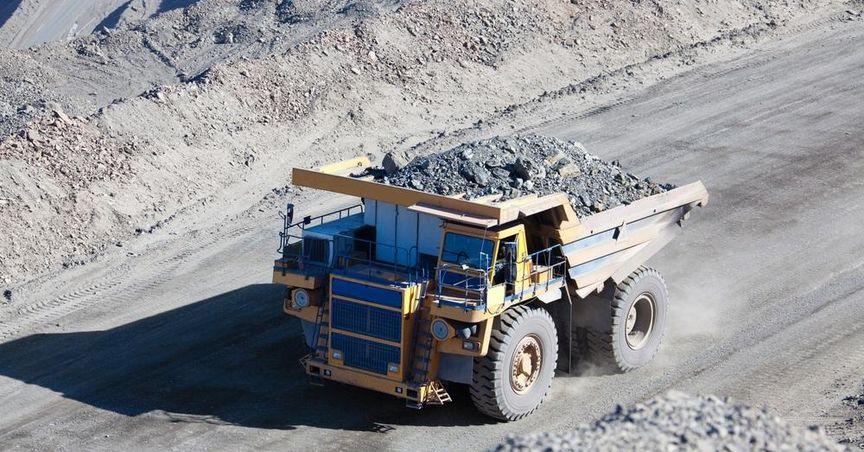
Mining and materials stocks featured prominently in session activity.
ASX indices provided structure for understanding broader market participation.
Australian market session covering mining sector participation, materials stocks activity, and movements across major ASX benchmarks.
The Australian equity market operates within the listed equities and financial services sector, with the materials and mining segment forming a central pillar of market participation. This sector includes companies engaged in mineral exploration, extraction, processing, and export, supporting Australia’s role as a major supplier of bulk commodities and metals to global markets. Market sessions involving materials stocks often reflect shifts in commodity sentiment, global demand signals, and sector level participation.
During the session, attention remained on benchmark indices including the ASX 20, ASX 50, ASX 100, ASX 200, ASX 300, and the All Ordinaries. These benchmarks form part of the broader ASX stock market, grouping companies across materials, financial services, industrials, healthcare, and technology to reflect overall market structure.
Within this environment, companies such as BHP Group Ltd (ASX:BHP) appeared in market references due to their weighting within indices and exposure to global commodity flows rather than isolated corporate developments. Participation across the materials sector contributed to a steadier tone in equity trading following prior periods of heightened volatility.
Market participation and mining sector engagement
Market participation during the session reflected renewed engagement across mining and materials stocks, highlighting the importance of this sector within the Australian equity landscape. Mining companies often act as a bellwether for broader market sentiment due to their sensitivity to global economic conditions and commodity demand.
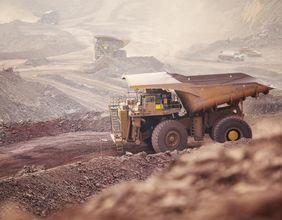
Stocks associated with ASX mining stocks featured prominently as part of broader sector participation. These companies span iron ore, gold, base metals, and energy related minerals, creating a diverse materials segment that contributes significantly to index composition and trading activity.
The materials sector operates within a globally connected environment where international demand, supply chain conditions, and logistical considerations influence participation. As a result, mining stocks often respond collectively during market sessions shaped by changes in global sentiment rather than company specific announcements.
This collective engagement across mining equities supported broader market stability during the session, with materials stocks contributing to overall index participation alongside financials and industrials.
Broader sector interaction across Australian equities
Beyond materials, the Australian equity market reflects interaction across multiple sectors that collectively shape trading conditions. Financial services, industrials, healthcare, and consumer related companies all contribute to index movement and market breadth.
Financial institutions remain integral to market structure due to their scale and role in supporting economic activity. Their participation often complements movements in materials stocks, particularly during sessions influenced by macroeconomic developments.
Industrials and infrastructure related companies also play a role, reflecting domestic investment conditions and supply chain activity. These sectors interact with mining through logistics, construction, and services, reinforcing the interconnected nature of the equity market.
The diversity of sector participation underscores how Australian equities function as a system of interrelated industries rather than isolated segments. This structure is captured within benchmarks such as the ASX 100 and the All Ordinaries.
Index structure and representation of market breadth
Index structure provides a framework for understanding how market sessions unfold across the Australian exchange. Benchmarks such as the ASX 20 and ASX 50 focus on companies with substantial market presence, offering insight into participation among larger capitalisation stocks.
The ASX 200 and ASX 300 broaden this perspective by incorporating a wider range of companies across sectors. These indices capture activity from materials, financials, industrials, healthcare, and technology, providing a more comprehensive view of market engagement.
The All Ordinaries offers the broadest representation, encompassing a large portion of Australian listed companies. This index reflects market breadth and sector diversity, illustrating how various industries contribute to overall trading activity.
Index based observation allows market participants to contextualise sessions shaped by sector participation without focusing on individual securities or assigning future oriented interpretations.
Australian market environment and ongoing trading conditions
The Australian market environment reflects the interaction of domestic economic conditions, global influences, and sector specific developments. Trading sessions following periods of volatility often demonstrate how participation adjusts as sentiment stabilises and sector engagement resumes.
Materials and mining companies contribute to this environment by reflecting global commodity dynamics and export related activity. Their participation influences broader market tone due to the sector’s weight within major indices.
Within the ASX stock market, regulatory frameworks support transparency, orderly trading, and market integrity. These structures underpin market participation and enable sectors to engage within established rules and disclosure standards.
The ongoing trading environment illustrates how Australian equities respond to changes in participation across sectors. Mining, financials, industrials, and other industries combine to shape market conditions, offering insight into equity market behaviour without forward looking assumptions.
