
 AUS
AUS
 NZ
NZ
 UK
UK
 CA
CA
 USA
USA
 IND
IND







Highlights
• Minbos secures debt funding for the Cabinda phosphate project.
• Financing arrangement supports construction and development plans.
• Resource sector activity remains active within the ASX All Ords.
Minbos secured debt funding for the Cabinda phosphate project, advancing development activity within the ASX All Ords resources segment.
Australia’s resources sector forms a substantial component of domestic equity benchmarks, including the ASX All Ordinaries. The index captures a wide cross-section of mining and exploration entities, from established producers to emerging developers progressing new projects. Within this landscape, project financing milestones often represent pivotal steps in the transition from development planning to operational execution.
Minbos Resources Limited (ASX:MNB) operates in the phosphate development segment, with a strategic focus on advancing the Cabinda phosphate project in Angola. Minbos Resources Limited recently confirmed that it has secured debt funding to support Cabinda’s development, marking a significant stage in the project’s funding structure and execution timeline.
Phosphate projects hold relevance in agricultural supply chains, as phosphate rock is a key component in fertiliser production. As global food security remains a central theme in commodity markets, phosphate development continues to draw sector attention within the ASX All Ords.
Cabinda Project Overview and Strategic Context
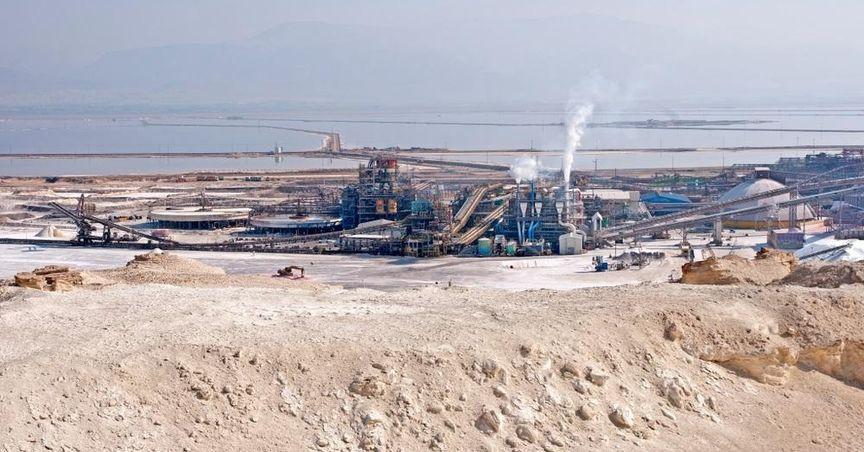
The Cabinda project is positioned as a phosphate development initiative designed to produce fertiliser-grade material for agricultural markets. Phosphate mining projects typically involve open-pit extraction, beneficiation processes, and downstream product refinement.
Debt funding arrangements commonly form part of a broader capital structure for mining developments. Such financing can provide the capital required for construction, infrastructure development, and commissioning activities.
For companies represented within the ASX All Ordinaries, securing structured funding agreements often signals a progression from feasibility planning to tangible project implementation.
The Cabinda project has been promoted as a source of locally produced fertiliser inputs, aimed at supporting regional agricultural sectors. Infrastructure development, logistics planning, and supply chain coordination form integral components of such initiatives.
Financing Structure and Development Implications
Debt funding typically involves formal lending arrangements with defined repayment schedules and financial covenants. In mining projects, these facilities may be tied to construction milestones and operational targets.
By securing debt financing, Minbos has established a pathway toward advancing Cabinda’s construction and commissioning phases. Funding structures in the mining industry are often aligned with projected production timelines and operational readiness.
Resource developers within the ASX All Ords frequently adopt a combination of equity and debt to balance capital requirements and shareholder considerations.
The financing announcement reflects a structured approach to project development, reinforcing Cabinda’s role within Minbos’ broader portfolio.
Phosphate production facilities require processing plants, material handling systems, and transport logistics, all of which depend on coordinated funding arrangements.
Phosphate Market Dynamics and Sector Positioning
Phosphate commodities play a vital role in global fertiliser production, influencing agricultural productivity and food supply chains. Demand for fertiliser inputs is shaped by cropping cycles, soil nutrient requirements, and agricultural policy frameworks.
Mining companies operating in fertiliser minerals contribute to resource diversification within the ASX All Ords, complementing gold, iron ore, and base metal producers.
Although some mature mining entities appear among established ASX dividend stocks, development-focused companies typically prioritise capital allocation toward asset progression and operational ramp-up.
The Cabinda project’s location in Angola introduces considerations relating to regional infrastructure, regulatory frameworks, and export logistics.
Global commodity markets often influence sector sentiment, though individual project milestones such as financing arrangements primarily reflect corporate development strategy.
Broader Market Context and Operational Pathway
Project financing represents a transitional phase in the lifecycle of mining assets. Following funding confirmation, developers commonly proceed with detailed engineering, procurement, and construction activities.
The ASX All Ordinaries benchmark provides a platform for diverse resource companies to access capital markets and communicate project updates to stakeholders.
Mining development projects require environmental approvals, community engagement, and adherence to international operational standards.
Cabinda’s advancement aligns with broader trends in fertiliser supply diversification, particularly within regions seeking to enhance agricultural self-sufficiency.
Minbos Resources Limited continues to progress Cabinda through its development stages, contributing to the evolving narrative of resource project execution within the ASX All Ords.
