
 AUS
AUS
 NZ
NZ
 UK
UK
 CA
CA
 USA
USA
 IND
IND







Highlights
Resources sector activity positioned within Australian equity benchmarks.
BHP operations framed through All Ordinaries classification.
Broader market environment shaping materials sector participation.
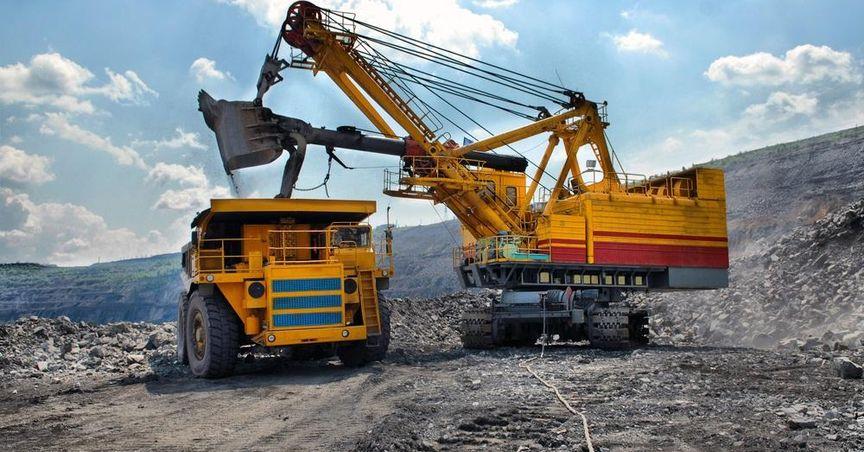
Resources sector content covering BHP mining operations, market environment, and participation within the All Ordinaries index.
The resources and mining sector forms a central pillar of the Australian economy, encompassing companies engaged in mineral extraction, processing, logistics, and global commodity supply. This sector includes diversified miners, base metals producers, and bulk commodity operators that support infrastructure, manufacturing, and energy systems worldwide. Mining companies operate within capital-intensive frameworks that require long development timelines, regulatory oversight, and extensive environmental management.
Within the Australian listed environment, mining companies participate through the ASX stock market, where sector classification places them alongside energy and materials peers. Index inclusion provides structural context for observing sector presence, with major mining companies represented across benchmarks such as the ASX 100, ASX 200, ASX 300, and the All Ordinaries. BHP Group Limited (ASX:BHP) operates within this resources sector framework and is included in the All Ordinaries, positioning the company among a broad cross section of Australian listed entities.
The mining sector’s inclusion across multiple indices reflects its long-established role in national exports and industrial supply chains rather than short-term market activity.
Diversified mining operations and commodity exposure
Diversified mining companies manage extensive portfolios spanning iron ore, copper, metallurgical coal, and other industrial commodities. These materials support construction, manufacturing, transportation, and energy transition infrastructure across global markets. Mining operations involve complex coordination across exploration, extraction, processing, and shipping activities.
Operations are distributed across geographically diverse regions, requiring engagement with local governments, regulatory authorities, and communities. Mining companies implement environmental monitoring systems, workforce safety protocols, and operational controls to support ongoing production activities.
Logistics networks play a critical role in mining operations, linking extraction sites to ports and global customers. Rail infrastructure, shipping arrangements, and port facilities form part of integrated supply chains that support commodity delivery.
Within the broader context of ASX mining stocks, diversified miners contribute significantly to sector representation and index composition. Their scale and operational reach underscore the importance of mining within the Australian equity market.
Mining activities continue irrespective of daily equity trading, reflecting separation between operational execution and market participation.
Market environment and materials sector participation
The materials sector operates within a market environment shaped by global industrial demand, trade flows, and macroeconomic conditions. International manufacturing activity, infrastructure investment, and energy consumption patterns influence commodity markets and associated equity participation.
Australian equity sessions often occur alongside developments in overseas markets, which provide contextual background for domestic trading. Global currency movement and international capital allocation also interact with materials sector participation.
Domestic market mechanics such as trading calendars and public holidays influence liquidity patterns without altering mining operations. Production schedules, shipping commitments, and workforce arrangements continue independently of market sessions.
Equity market participation provides transparency, governance oversight, and capital market access for mining companies. These elements support corporate structure rather than influencing extraction activity.
The interaction between global conditions and Australian mining listings illustrates the interconnected nature of modern resource markets.
All Ordinaries inclusion and index classification
Index frameworks organise listed companies based on eligibility criteria such as market capitalisation and liquidity. The All Ordinaries serves as a broad benchmark capturing a wide range of Australian listed entities across multiple sectors, including resources, financial services, industrials, and consumer services.
Mining companies included in the All Ordinaries contribute materially to index composition due to sector scale and market presence. This inclusion reflects classification standards rather than operational outcomes.
Other groupings such as the ASX 100 and ASX 200 provide more concentrated views of market structure, while thematic classifications like ASX dividend stocks highlight different attributes unrelated to sector focus.
Index participation offers a framework for observing market composition without extending beyond factual classification.
Governance framework and listed market presence
Large mining companies operate within comprehensive governance systems addressing regulatory compliance, environmental stewardship, and stakeholder engagement. Listed status requires adherence to disclosure obligations, reporting standards, and corporate governance principles.
Operational governance supports safety management, environmental monitoring, and community engagement across mining regions. These practices form part of standard operations within the resources sector.
Market presence through public listing enables access to capital markets and supports organisational transparency. This presence exists alongside core mining activity, contributing to accountability within the sector.
Observing mining companies within the All Ordinaries provides context for understanding sector representation within Australian equities while maintaining a neutral, factual perspective.
