
 AUS
AUS
 NZ
NZ
 UK
UK
 CA
CA
 USA
USA
 IND
IND





Highlights
- ASX 200 recorded renewed strength following easing global tensions
- Mining and financial sectors contributed significantly to market movement
- Broader indices reflected steady participation across multiple sectors
The Australian equity landscape operates within a diversified financial sector framework, where indices such as the ASX 200, ASX 100, and All Ordinaries serve as benchmarks for overall performance. Within this environment, movements across equities often align with global developments, sector activity, and investor sentiment. The latest session saw the ASX 200 regain momentum, reflecting improved conditions across international markets and easing geopolitical pressures that had previously influenced sentiment.
This movement was supported by participation across multiple industries, including mining, financial services, and energy. Companies such as BHP Group Ltd (ASX:BHP) were part of the broader sector activity, contributing to the overall direction of the market. The rebound was not isolated to a single segment, but rather demonstrated a coordinated movement across various sectors, reinforcing the interconnected nature of the Australian financial ecosystem.
Sector-Wide Participation Strengthens Market Activity
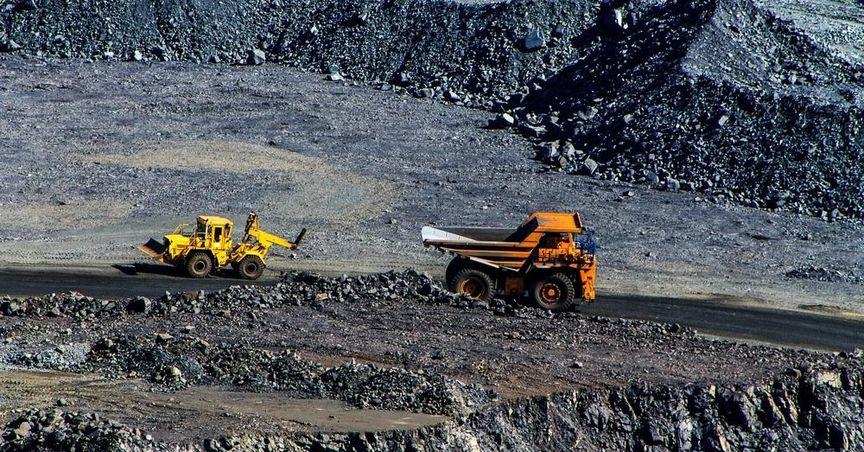
A notable feature of the session was the balanced contribution from several key sectors. The mining industry, often linked with global commodity demand, played a central role in the market’s movement. Activity within ASX mining stocks reflected broader global trends, particularly as concerns surrounding geopolitical instability showed signs of easing.
Financial institutions also displayed steady participation, contributing to overall index movement. These entities often serve as foundational pillars within the ASX stock market, and their activity frequently aligns with broader economic sentiment. The combined presence of mining and financial sectors created a supportive environment for the index, reinforcing stability across the market.
Energy stocks further added to this dynamic, reflecting developments in global energy markets. Their movement highlighted the interconnected relationship between international events and domestic market activity, where shifts in external conditions can influence sector-wide performance within Australia.
Influence of Global Developments on Market Direction
Global geopolitical developments played a significant role in shaping the direction of the session. As tensions showed signs of cooling, market participants responded with renewed engagement across equities. This shift in sentiment often influences trading behavior, leading to broader participation across indices.
The easing of uncertainty contributed to a more stable environment, allowing sectors to operate without the heightened volatility associated with geopolitical concerns. This stability was reflected across major indices, including the ASX 100 and ASX ordinaries stocks, both of which demonstrated aligned movement with the ASX 200.
Such developments underscore the importance of global context in shaping domestic market activity. While the Australian market operates independently, it remains closely connected to international trends, particularly in areas such as trade, commodities, and financial flows.
Broad-Based Index Movement Across the Australian Market
The rebound observed in the ASX 200 was mirrored across other indices, highlighting a broad-based movement within the Australian equity space. The All Ordinaries index captured activity across a wider range of companies, reflecting participation beyond the largest market capitalisations.
This alignment across indices demonstrates the depth of the Australian market, where movements are not confined to a narrow group of companies. Instead, a wide range of sectors contributes to overall activity, reinforcing the strength and diversity of the market.
Dividend-focused companies also formed part of this landscape, with ASX dividend stocks maintaining relevance for participants seeking consistent income streams. Their presence adds another layer to the market, supporting stability through regular distributions and established business models.
The interaction between large-cap, mid-cap, and income-oriented stocks creates a dynamic environment, where different segments contribute to overall index performance. This diversity enhances the resilience of the market, allowing it to respond effectively to changing conditions.
Market Sentiment and Investor Participation Trends
Market sentiment during the session reflected a shift toward stability, driven by easing external pressures. This change influenced participation across various sectors, leading to increased activity within equities. The absence of heightened geopolitical tension allowed for a more balanced approach to trading, with sectors responding to underlying economic factors.
Investor engagement was evident across multiple industries, highlighting the importance of confidence in shaping market direction. When external uncertainties diminish, participation often becomes more widespread, supporting movement across indices.
The session also demonstrated the role of interconnected sectors in driving market activity. Mining, financials, and energy each contributed to the overall movement, illustrating how different industries interact within the broader market framework.
As the ASX stock market continues to evolve, these patterns of participation and sector alignment remain central to understanding its behaviour. The interplay between global developments and domestic activity continues to shape the landscape, influencing how indices respond to changing conditions.
